

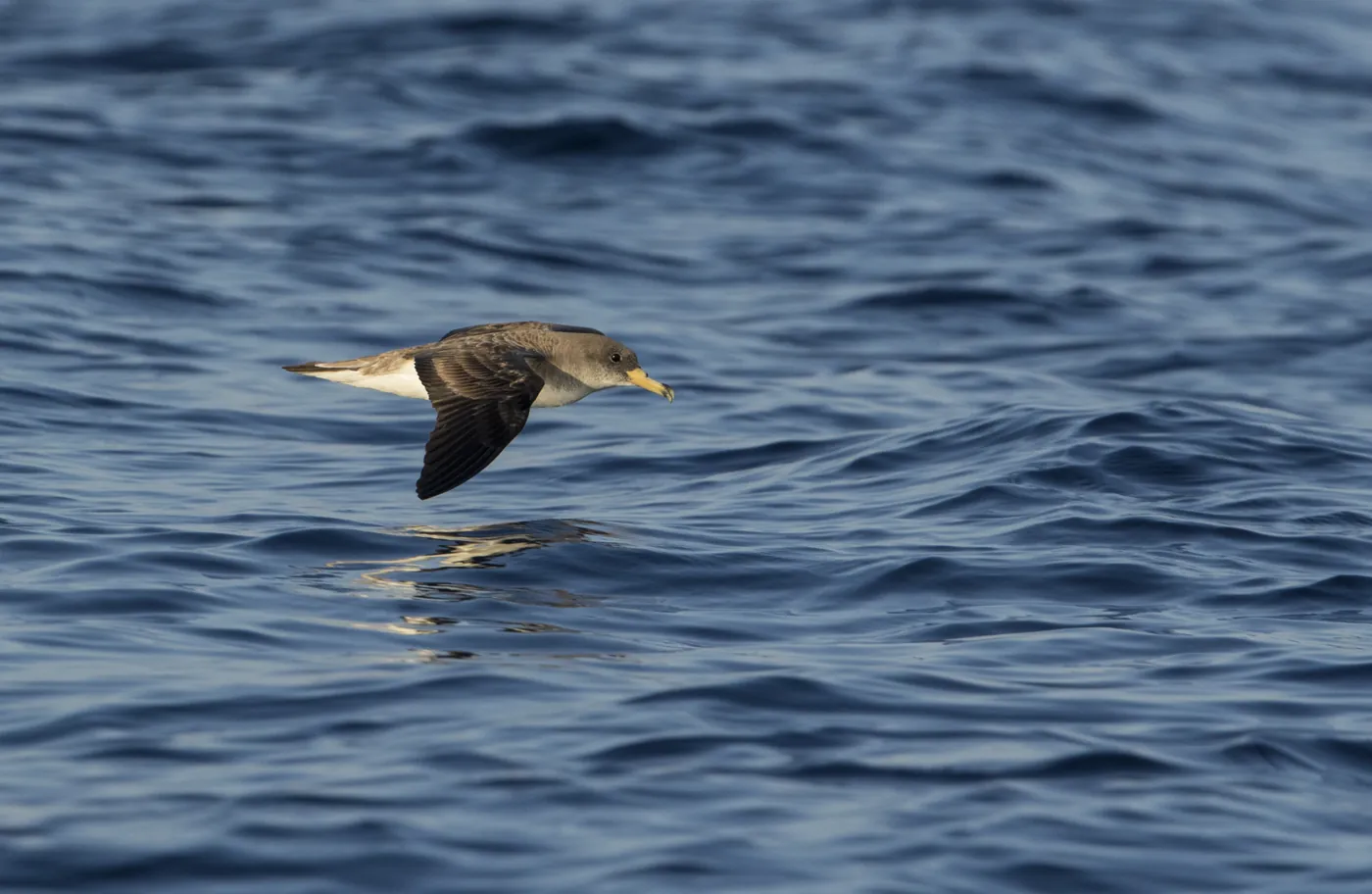
Short answer: The flesh-footed shearwater is an at-risk migratory seabird that returns to New Zealand each October to breed, mainly on offshore islands in the north. On 10 October 2026 the Department of Conservation (DOC) asked fishers and boaties in areas such as the Hauraki Gulf to keep bait covered, sink hooks fast and avoid fishing near seabird flocks. We brief charter skippers and groups on this before every fishing day.
This briefing is for travel agents, tour operators and incentive planners who include a fishing charter or a boat day on the Hauraki Gulf (Tīkapa Moana) or the Bay of Plenty in a New Zealand programme.
What did DOC say about flesh-footed shearwaters?
- The bird. DOC describes it as a migratory seabird with distinctive pink feet and bill, which feeds on fish and krill.
- Its year. It spends the southern winter in the seas off Japan and returns to New Zealand in October.
- Where it breeds. Mainly on offshore islands in northern New Zealand, plus one island in the Cook Strait region.
- Its status. DOC lists it as at-risk and says its Hauraki Gulf populations are declining; its conservation status in New Zealand is under review.
- International listing. In March 2026 New Zealand led the listing of the flesh-footed shearwater and other endangered seabirds under the Convention on the Conservation of Migratory Species.
What should a group fishing day do differently?
DOC's advice for fishers and boaties, which we pass to the skipper and to the group at the safety briefing:
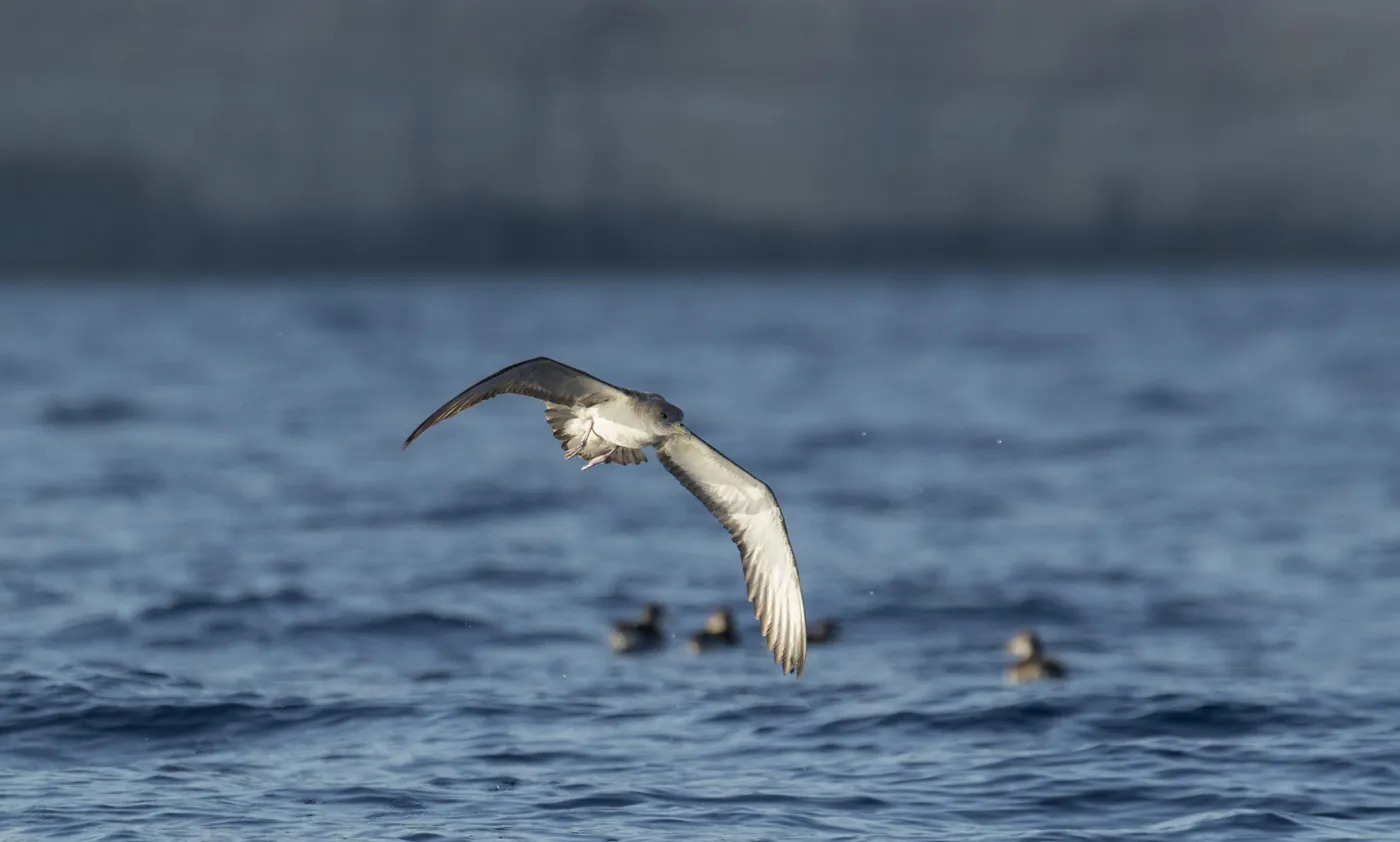
- Cover the bait. Cover up or clean away bait and scraps; DOC says shearwaters can smell them from far away.
- Sink hooks quickly. Use weighted sinkers so baited hooks go down fast and deep.
- Keep berley deep. Sink berley deeper than 10 metres, out of the birds' reach.
- Change the line. Avoid braid or casting lines when birds are around the boat.
- Move away from flocks. "Avoiding fishing near seabird flocks is a good first step," said Graeme Taylor, DOC Principal Science Advisor.
What should clients know on the beach and on board?
- Take plastics home. DOC says bottle lids have been found in the stomachs of shearwater chicks, so all plastic leaves the boat and the beach with the group.
- Do not touch sick or dead birds. DOC asks people to report a group of three or more sick or dead birds or other wildlife, such as seals, to the exotic pest and disease hotline on 0800 80 99 66.
- Night calls. Groups staying on islands near breeding sites may hear the birds' loud, raucous calls after dark.
How Explera DMC New Zealand can help
We are the Auckland DMC for travel agents and tour operators, and we plan Hauraki Gulf boat days, Great Barrier Island extensions and Bay of Plenty programmes from Tauranga. See our Hauraki Gulf marine protection briefing, our bird flu briefing for wildlife tours and our New Zealand wildlife calendar.
FAQ
When do flesh-footed shearwaters return to New Zealand? DOC says they return in October, after spending the southern winter in the seas off Japan.
Where do flesh-footed shearwaters breed? Mainly on offshore islands in northern New Zealand, plus one island in the Cook Strait region, according to DOC.
What should a fishing charter do when shearwaters are around? Cover bait, sink baited hooks quickly with weighted sinkers, keep berley deeper than 10 metres, avoid braid or casting lines near birds and avoid fishing near seabird flocks.
Are flesh-footed shearwaters threatened? DOC lists them as at-risk and says Hauraki Gulf populations are declining.
Who do visitors call about sick or dead seabirds? DOC asks people to report three or more sick or dead birds or other wildlife to the exotic pest and disease hotline on 0800 80 99 66, and not to touch them.
Sources
- Call to take care of flesh-footed frequent flier, DOC, 10 October 2026
Talk to the trade desk
Explera DMC New Zealand trade desk — b2b@explera.co.nz, WhatsApp +66 93 656 8090, B2B portal b2b.expleradmc.com.


