

Stargazing & dark sky in New Zealand — for the trade.
Stargazing and dark-sky evenings — guided night-sky sessions in the Mackenzie Basin and on remote island sanctuaries, planned around moon phase and cloud.

What is Explera's Stargazing & dark sky service in New Zealand?
Explera DMC New Zealand arranges stargazing & dark sky in New Zealand for travel agents and tour operators: net B2B rates, one accountable ground team and an itemised quotation. Delivery is white-label, backed by 24/7 support. Send the brief by email: the proposal is costed by hand, with a reply within one business day.
Last updated: 5 October 2026
Planned in detail, accountable end to end.
The Aoraki Mackenzie International Dark Sky Reserve, around Lake Tekapo and Aoraki / Mount Cook, was recognised by the International Dark-Sky Association in 2012 as a Gold-tier reserve, the first to be given that rating. Further out, Aotea / Great Barrier Island (2017) and Rakiura / Stewart Island (2019) hold International Dark Sky Sanctuary status. We arrange stargazing on request: night-sky sessions with local operators, a night in the right place, and daytime programming that leaves guests rested. Stars depend on cloud and moon phase and cannot be promised, so we plan a spare night and confirm sessions at quotation.
Why New Zealand for this segment
Remote country and clean air give New Zealand skies that show the southern hemisphere’s own constellations, including the Southern Cross, far from city light.
Who it's for: Agents selling couples, photographers, families and incentive groups who want a night-sky element in a South Island or island programme.
Stargazing is the one experience where the weather and the calendar both have a vote. A full moon washes out faint stars, cloud ends a session, and the long summer twilight means a late start. We check the moon phase against the travel dates, add a spare night to the stay, and keep the evening session as the last thing booked into a flexible day.
The rest of the evening matters as much as the sky. Sessions run outdoors at night, so clients need warm clothing and a plan for getting back, and dark-sky sites ask visitors to limit lights. We brief clients beforehand and arrange the after-dark transport and an early meal so guests arrive comfortable.
- Night-sky viewing sessions
- Dark-sky reserve and sanctuary stays
- Astrophotography-friendly timing
- Moon-phase and cloud planning
- Warm clothing and after-dark transport
- Spare nights and daytime alternatives
How stargazing & dark sky works with Explera — step by step.
Brief & dates
Send the dates and party size. We check the moon phase and propose the base and the spare night.
Named-line quote
The session, the stay and any after-dark transport are quoted as named lines, with weather terms confirmed at quotation.
Pre-briefing
Guests receive guidance on warm clothing, light etiquette and timing before they travel.
On the night
If cloud closes in, the desk moves the session to the spare night or the agreed alternative.
What is included in stargazing & dark sky — in detail.
Night-sky viewing sessions
Night-sky viewing sessions — arranged as part of the programme, costed in the net quotation and operated to the same standard as every other element of stargazing & dark sky: written confirmations, a named coordinator and the 24/7 desk behind it. Programmes are judged by the day something goes wrong, so the quiet line items get the same care as the headline ones.
Dark-sky reserve and sanctuary stays
Dark-sky reserve and sanctuary stays — chosen for position and darkness as well as comfort: close to the viewing site, with low outdoor lighting where the property allows, and an easy return after a late session. Rooms are held early, because the best small properties in remote areas fill first.
Astrophotography-friendly timing
Astrophotography-friendly timing — planned around the moon phase, the hour of full darkness and the site, because a good night-sky photograph needs a dark sky, stable ground and the right moon. Guests are briefed on light etiquette, and we confirm each operator’s conditions for photographers at quotation.
Moon-phase and cloud planning
Moon-phase and cloud planning — arranged as part of the programme, costed in the net quotation and operated to the same standard as every other element of stargazing & dark sky: written confirmations, a named coordinator and the 24/7 desk behind it. Programmes are judged by the day something goes wrong, so the quiet line items get the same care as the headline ones.
Warm clothing and after-dark transport
Warm clothing and after-dark transport — arranged as part of the programme, costed in the net quotation and operated to the same standard as every other element of stargazing & dark sky: written confirmations, a named coordinator and the 24/7 desk behind it. Programmes are judged by the day something goes wrong, so the quiet line items get the same care as the headline ones.
Spare nights and daytime alternatives
Spare nights and daytime alternatives — arranged as part of the programme, costed in the net quotation and operated to the same standard as every other element of stargazing & dark sky: written confirmations, a named coordinator and the 24/7 desk behind it. Programmes are judged by the day something goes wrong, so the quiet line items get the same care as the headline ones.
Where we run stargazing & dark sky in New Zealand.
Stargazing & dark sky in Lake Tekapo
Lake Tekapo sits in the Mackenzie Basin, known for its turquoise water, the Church of the Good Shepherd on the shore and the Aoraki Mackenzie International Dark Sky Reserve. It is a natural overnight between Christchurch and Queenstown or Aoraki / Mount Cook. It is a core base for stargazing & dark sky on our New Zealand programmes. Days in Lake Tekapo are sequenced around the weather and opening hours, with weather-dependent elements given buffer time and a worthwhile alternative. Entrance fees and inclusions are itemised in the net rate — no surprises on the day.
Stargazing & dark sky in Aoraki / Mount Cook
Aoraki / Mount Cook National Park is home to the country’s highest mountain, around an hour’s drive from Lake Tekapo. The Hooker Valley Track and scenic flights over the Southern Alps are the main draws, and accommodation in the village is limited, so we book it early. For stargazing & dark sky, it is one of the places we plan around most often. Days in Aoraki / Mount Cook are sequenced around the weather and opening hours, with weather-dependent elements given buffer time and a worthwhile alternative. Private versions of every programme quote on request.
Stargazing & dark sky in Great Barrier Island
Aotea / Great Barrier Island lies in the Hauraki Gulf, reached from Auckland by ferry or a short flight. It has no mains-powered street lighting and holds International Dark Sky Sanctuary status, granted in 2017. It features regularly in the stargazing & dark sky files we quote. Days in Great Barrier Island are sequenced around the weather and opening hours, with weather-dependent elements given buffer time and a worthwhile alternative. Each weather-dependent element carries an alternative that is genuinely worth doing.
Stargazing & dark sky in Stewart Island / Rakiura
Rakiura / Stewart Island lies south of the South Island and holds International Dark Sky Sanctuary status, confirmed in January 2019. It is reached by ferry from Bluff or a short flight from Invercargill, and winter gives the longest nights. It is a core base for stargazing & dark sky on our New Zealand programmes. Days in Stewart Island / Rakiura are sequenced around the weather and opening hours, with weather-dependent elements given buffer time and a worthwhile alternative. Entrance fees and inclusions are itemised in the net rate — no surprises on the day.
These bases are where we plan stargazing & dark sky most often, but they are not the limit. The same desk quotes this service anywhere in New Zealand a brief requires — Northland to Stewart Island, single-region stays or both-island circuits. If your client’s brief names a place you do not see here, send it anyway; the answer will come back with a costed plan or an honest alternative.
Seasons run opposite to the northern hemisphere. Summer (December to February) is the long-daylight peak, and Christmas, New Year and the January school holidays are the busiest domestic weeks — book accommodation, campervans and popular activities well ahead for those dates, and allow for added pressure around Chinese New Year. Autumn (March to May) brings settled weather, vintage in the wine regions and good value; winter (June to August) brings snow to the Southern Alps and the ski season; spring (September to November) brings lambs, blossom and waterfalls in full flow. Mountain weather can change quickly in any season, which is why we plan alternatives rather than hoping for sunshine.

Lake Tekapo
A turquoise glacial lake, the Church of the Good Shepherd and some of the darkest night skies on earth.
Agent guide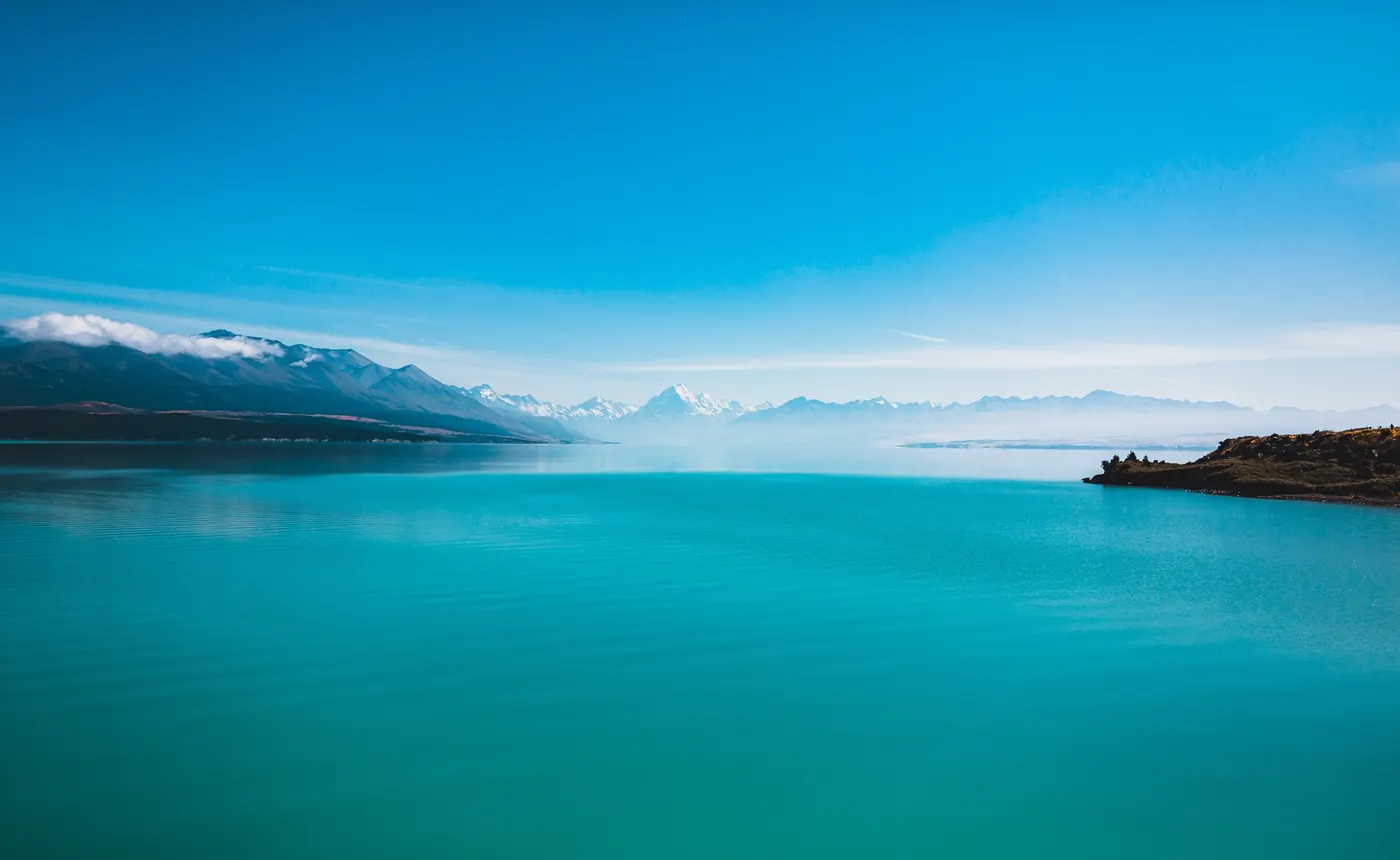
Aoraki / Mount Cook
New Zealand’s highest mountain, the Hooker Valley Track and glacier lakes in a national park.
Agent guide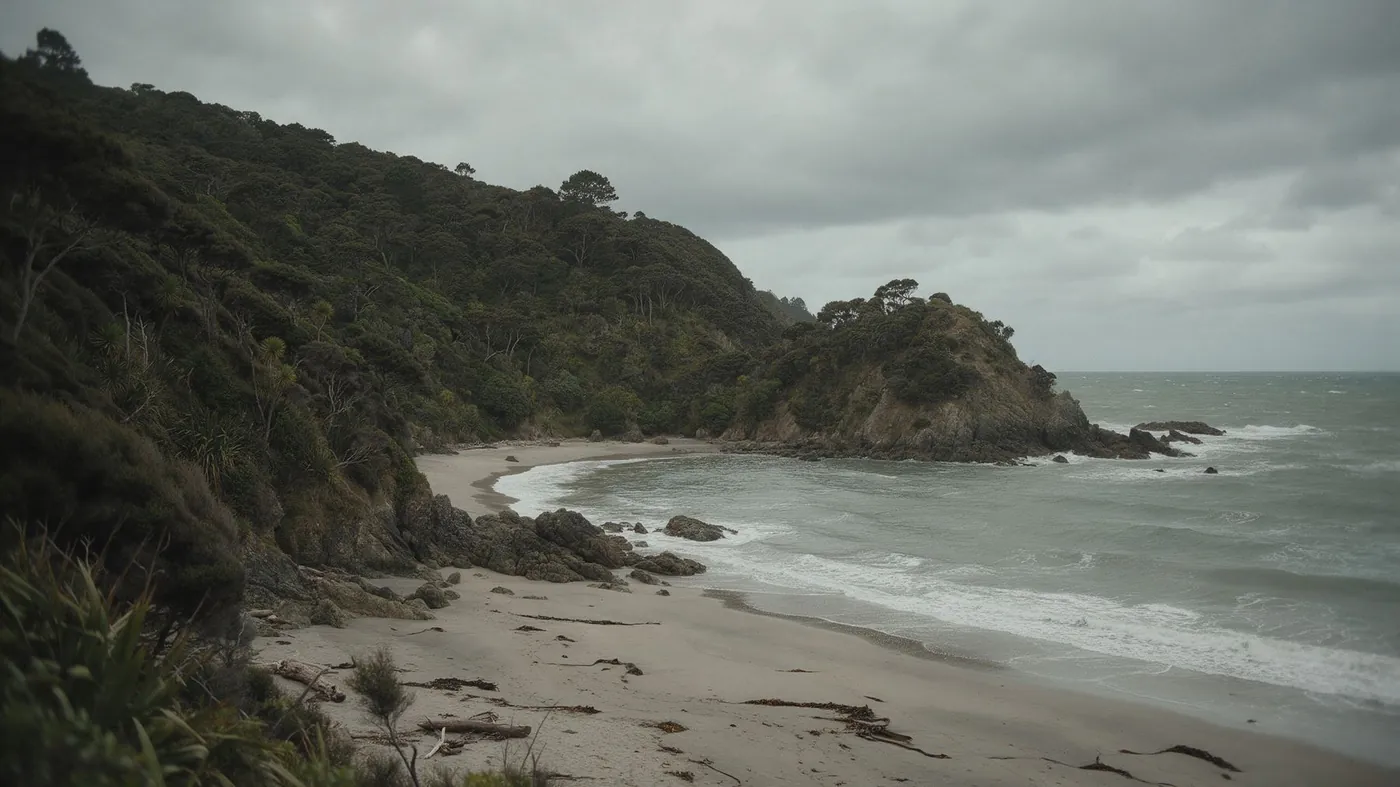
Great Barrier Island (Aotea)
An off-grid island at the edge of the Hauraki Gulf — empty beaches, bush tracks and a Dark Sky Sanctuary.
Agent guide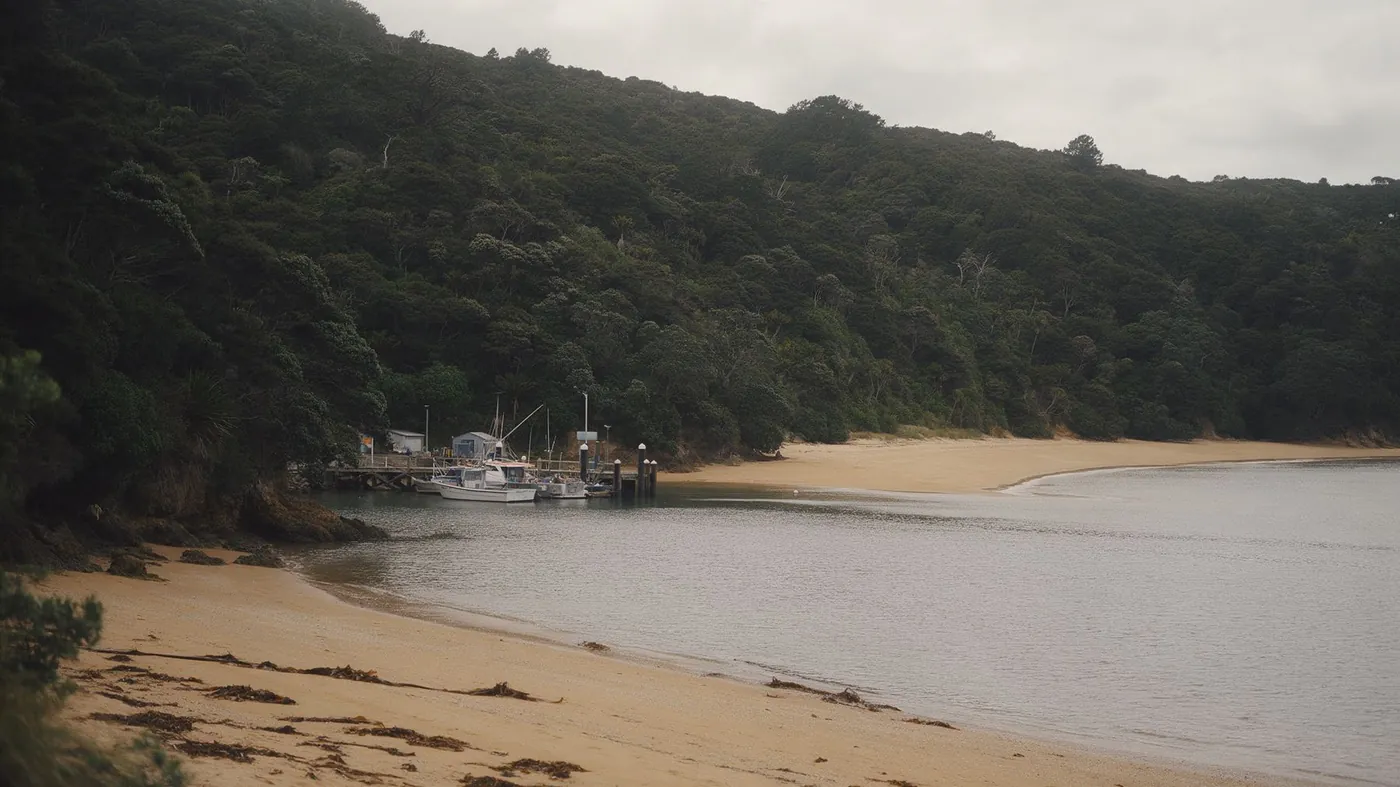
Stewart Island (Rakiura)
New Zealand’s third island — mostly national park, and one of the best places to see kiwi in the wild.
Agent guideWhat to expect — scenes from the ground.


Our operating standards for stargazing & dark sky.
Moon and cloud planning
Dates are checked against the moon phase, and a spare night is added where the programme allows.
Spare night first
The session is never placed on the last night of a stay.
Dark-sky etiquette
Guests are briefed to keep white light to a minimum so the site and other viewers are respected.
Warm and safe
Clothing guidance and after-dark transport are arranged before the session, not on the night.
Who books stargazing & dark sky — and how to sell it.
Couples and honeymooners
An evening under the stars is a quiet highlight of a lodge-based itinerary.
Photographers
Night-sky photography needs dark skies, stable ground and the right moon, so dates matter.
Families
Children often enjoy a short, early session; we place it before a late start is needed.
Incentive groups
A hosted night-sky evening gives a group a shared experience that is hard to reproduce at home.
Stargazing & dark sky pricing — what drives the quote.
Night-sky sessions are usually priced per person on the operator’s published sessions, with private sessions and charters priced separately. The main drivers are session length, group size and season.
Operators set their own schedules and weather terms, so a price is only reliable for confirmed dates. We quote net in NZD or your working currency and confirm the terms at quotation.
For a live number, send the dates, party size and the shape of the file. The quotation comes back itemised, valid for a stated window and rate-locked when you confirm.
Stargazing & dark sky — trade terms, quick reference.
Dark Sky Reserve
An area with a protected, very dark night sky, recognised by the International Dark-Sky Association. The Aoraki Mackenzie reserve was recognised in 2012.
Dark Sky Sanctuary
A remote site with a very dark sky and few nearby threats to it. Aotea / Great Barrier Island and Rakiura / Stewart Island hold this status.
Moon phase
Where the moon is in its monthly cycle. Around a full moon the sky is brighter and faint stars are harder to see.
Stargazing & dark sky — asked by agents.
How do agents book stargazing & dark sky with Explera?
Send the brief from the contact page, by email or on WhatsApp with dates, party size and requirements. An itemised, client-ready quotation comes back, typically within one business day for straightforward files; complex MICE programmes take longer.
Are rates net or commissionable?
All trade rates are net — your margin is yours to set. Quotations are itemised in NZD or your working currency and rate-locked at confirmation.
Who looks after our clients on the ground?
Our operations desk and the suppliers we contract, backed by a 24/7 support line on New Zealand time. The emergency contact is printed in every set of travel documents, and delivery is white-label.
Can this service combine with other Explera products?
Yes — most programmes combine accommodation, transport, guides and experiences under one itinerary, one invoice and one coordinator.
Can a stargazing session be guaranteed?
No. Cloud and the moon decide what can be seen. We plan a spare night where the programme allows and state each operator’s weather terms at quotation.
Where are New Zealand’s dark-sky places?
The Aoraki Mackenzie International Dark Sky Reserve around Lake Tekapo and Aoraki / Mount Cook, recognised in 2012, and the Dark Sky Sanctuaries of Aotea / Great Barrier Island (2017) and Rakiura / Stewart Island (2019).
Related services
Hotels, lodges & accommodation
Accommodation contracted at net rates — city hotels, luxury lodges, motels that suit groups, farm stays and holiday parks — with allotments, rooming lists and release dates managed.
Learn more Specialist guidingGuides & driver-guides
Private guides, driver-guides and tour leaders across New Zealand — matched to your clients’ language and interests and briefed on every itinerary.
Learn more Tailor-madeFIT & tailor-made
Tailor-made independent itineraries for New Zealand — self-drive, chauffeured or mixed, built around your client’s pace, interests and budget.
Learn more

Explera DMC New Zealand is the B2B New Zealand DMC for Stargazing & dark sky. We contract the accommodation, transfers, licensed guides and experiences at net rates, so you sell Stargazing & dark sky with one accountable ground partner and your own branding. Send the brief to our New Zealand DMC desk for a net service quotation.