

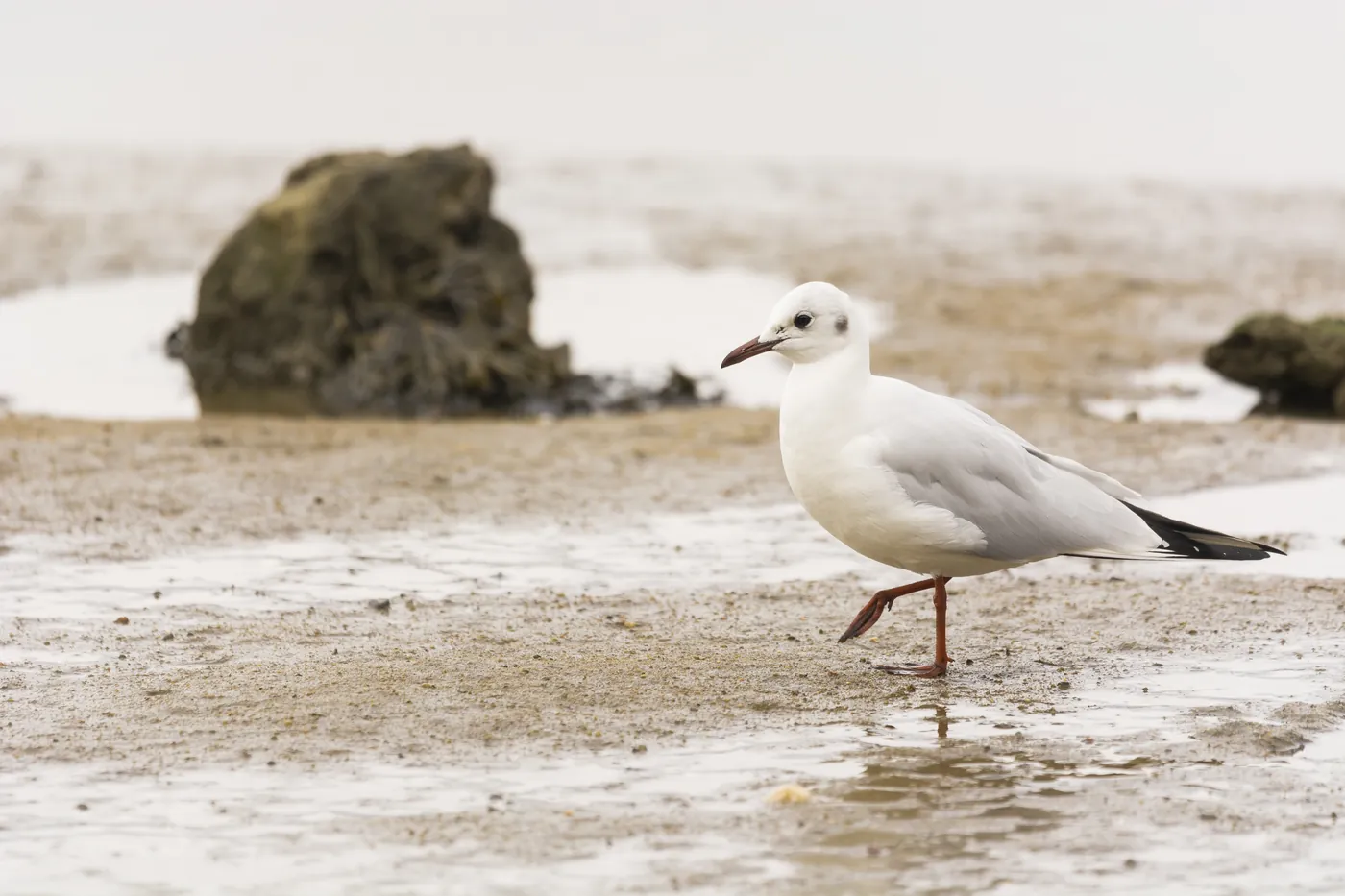
Short answer: H5N1 bird flu was first detected in New Zealand in July 2026, in a brown skua found near Wellington. Officials describe the risk to the public as low, and DOC reports no evidence of mass deaths in wildlife or poultry. Clients must not touch sick or dead birds. Explera DMC New Zealand briefs groups and keeps a plan B.
This briefing is for travel agents and tour operators who sell New Zealand wildlife: penguins, albatross, seabirds and sanctuaries. Wildlife programmes still run, but agents should know what changed and what clients are asked to do.
What has happened?
- First detection. On 15 July 2026, Biosecurity Minister Andrew Hoggard said a brown skua found on a beach near Wellington had tested positive. It was the first H5N1 detection in New Zealand. He said there had been no detection in poultry.
- More cases. As of 21 August 2026, a council information page reported three confirmed cases, all from the Wellington area.
- No mass deaths. DOC's bird flu page says there is currently no evidence of mass mortality in wildlife or poultry.
- Risk to people. The same council page says the risk to the general public is currently considered low.
What must clients do?
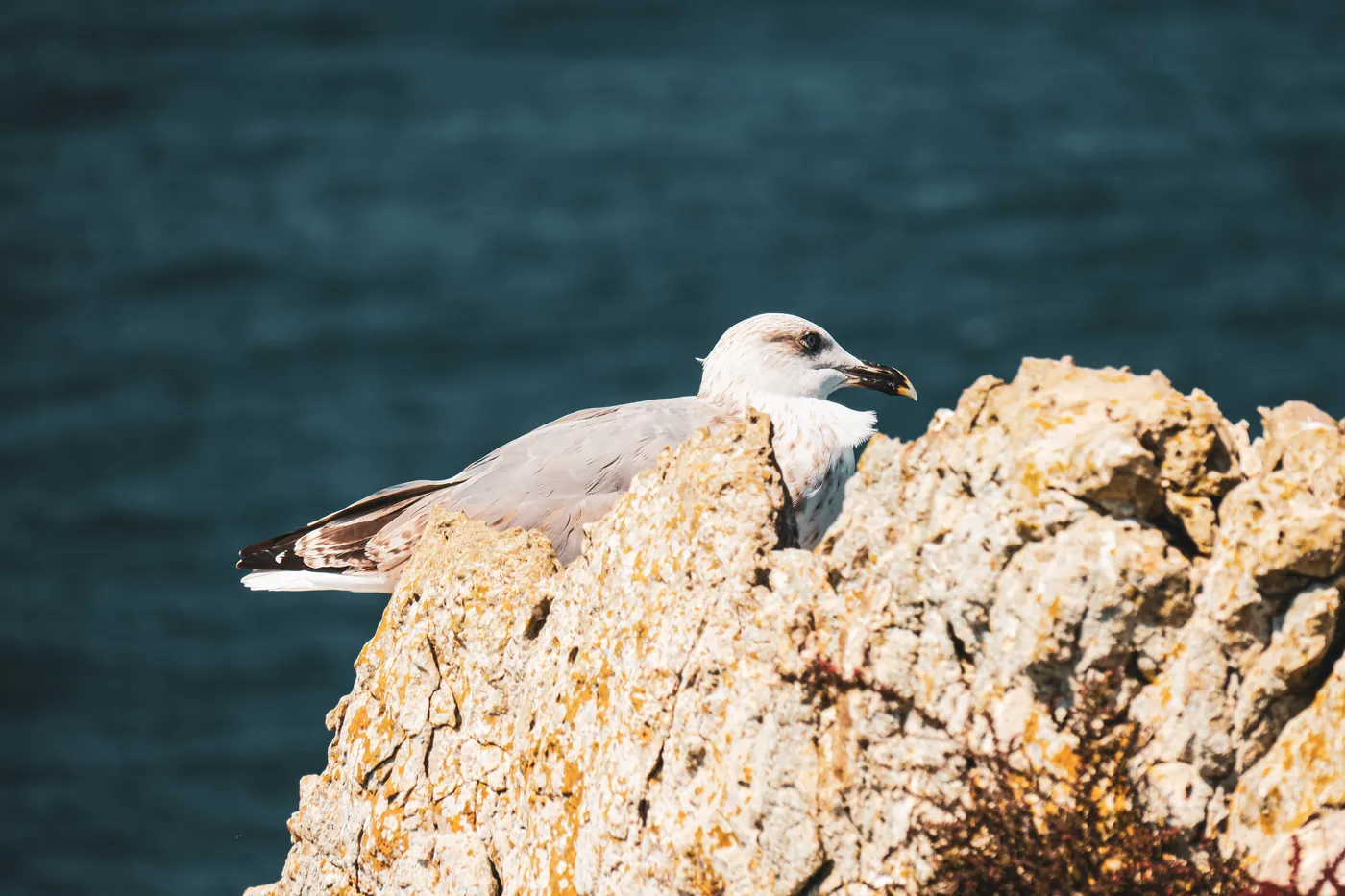
- Do not touch. DOC asks people not to touch or pick up sick or dead birds, and not to take them to DOC offices or wildlife centres.
- Three or more birds. A group of three or more sick or dead wild birds is reported to the Exotic Pest and Disease Hotline on 0800 80 99 66.
- One or two native birds. DOC's hotline for one or two sick or injured native birds or other wildlife is 0800 362 468 (0800 DOC HOT).
- The guide decides. On our programmes the guide makes the call, so clients only need to step back and tell the guide what they have seen.
What does it mean for wildlife programmes?
- Tours continue. Nothing we have read from DOC closes wildlife viewing because of bird flu. We still check each site and operator when we quote and again before travel.
- Expect changes at short notice. An operator that works near seabird or penguin colonies may change how close groups can go, or switch a visit to another site. We build a plan B into every wildlife day.
- More support for wildlife care. On 24 September 2026, the Conservation and Biosecurity Ministers announced NZ$150,000 of one-off funding for six accredited wildlife care facilities, to help them care for sick native birds and detect bird flu early.
- Brief before arrival. We add the bird flu points to the client briefing, next to the biosecurity rules for arriving groups.
How Explera DMC New Zealand can help
We plan wildlife and nature experiences, including ocean life, with guides and driver guides for travel agents and tour operators. See our kiwi, penguins and albatross briefing, our king shag briefing, our wildlife calendar and our biosecurity briefing for arriving groups.
FAQ
Has bird flu reached New Zealand? Yes. H5N1 was first detected in July 2026, in a brown skua found near Wellington.
Is it safe for clients to join wildlife tours? Officials describe the risk to the public as low. Clients must not touch sick or dead birds, and the guide decides what to do.
What number do clients call about sick or dead birds? For three or more wild birds, 0800 80 99 66. For one or two native birds, DOC's hotline 0800 362 468.
Will penguin or albatross visits be cancelled? Not on what DOC has published. Operators may change access at short notice, so we keep a plan B.
Is there a risk from eating chicken or eggs? The council page says H5N1 is not a food safety risk when poultry and eggs are properly handled and cooked.
Sources
- Bird flu updates, Department of Conservation, checked 26 October 2026
- Funding boost for bird flu surveillance, Department of Conservation, 24 September 2026
- New Zealand confirms first H5N1 case in migratory seabird, The Poultry Site, 15 July 2026
- Bird flu: what you need to know, Tauranga City Council, checked 26 October 2026
Talk to the trade desk
Explera DMC New Zealand trade desk — b2b@explera.co.nz, WhatsApp +66 93 656 8090, B2B portal b2b.expleradmc.com.


