
Agricultural study tours in New Zealand — for the trade.
Agricultural and technical study tours in New Zealand — farm, dairy, horticulture, viticulture and geothermal-energy visits arranged for professional groups, with interpreters and biosecurity briefings.

What is Explera's Agricultural & technical study tours service in New Zealand?
Explera DMC New Zealand arranges agricultural & technical study tours in New Zealand for travel agents and tour operators: net B2B rates, one accountable ground team and an itemised quotation. Delivery is white-label, backed by 24/7 support. Send the brief by email: the proposal is costed by hand, with a reply within one business day.
Last updated: 5 October 2026
Planned in detail, accountable end to end.
Pastoral farming, dairy, horticulture and wine are central to New Zealand’s economy, and its geothermal fields generate electricity — which makes the country a natural destination for farmers’ groups, co-operatives, agribusiness delegations and engineering study tours. We arrange the visits: approaching farms, orchards, wineries, processors, research and education providers and energy sites on the group’s behalf, confirming who will host and what they will show, and building the touring around them. Hosts decide whether and when to receive a group, so no visit is promised until it is confirmed in writing.
Why New Zealand for this segment
Pastoral farming, horticulture, wine and geothermal energy are all close to the touring routes, so a professional group can see working examples between scenic days.
Who it's for: Agricultural associations, co-operatives, agribusiness and energy companies, and study-tour operators running professional visits.
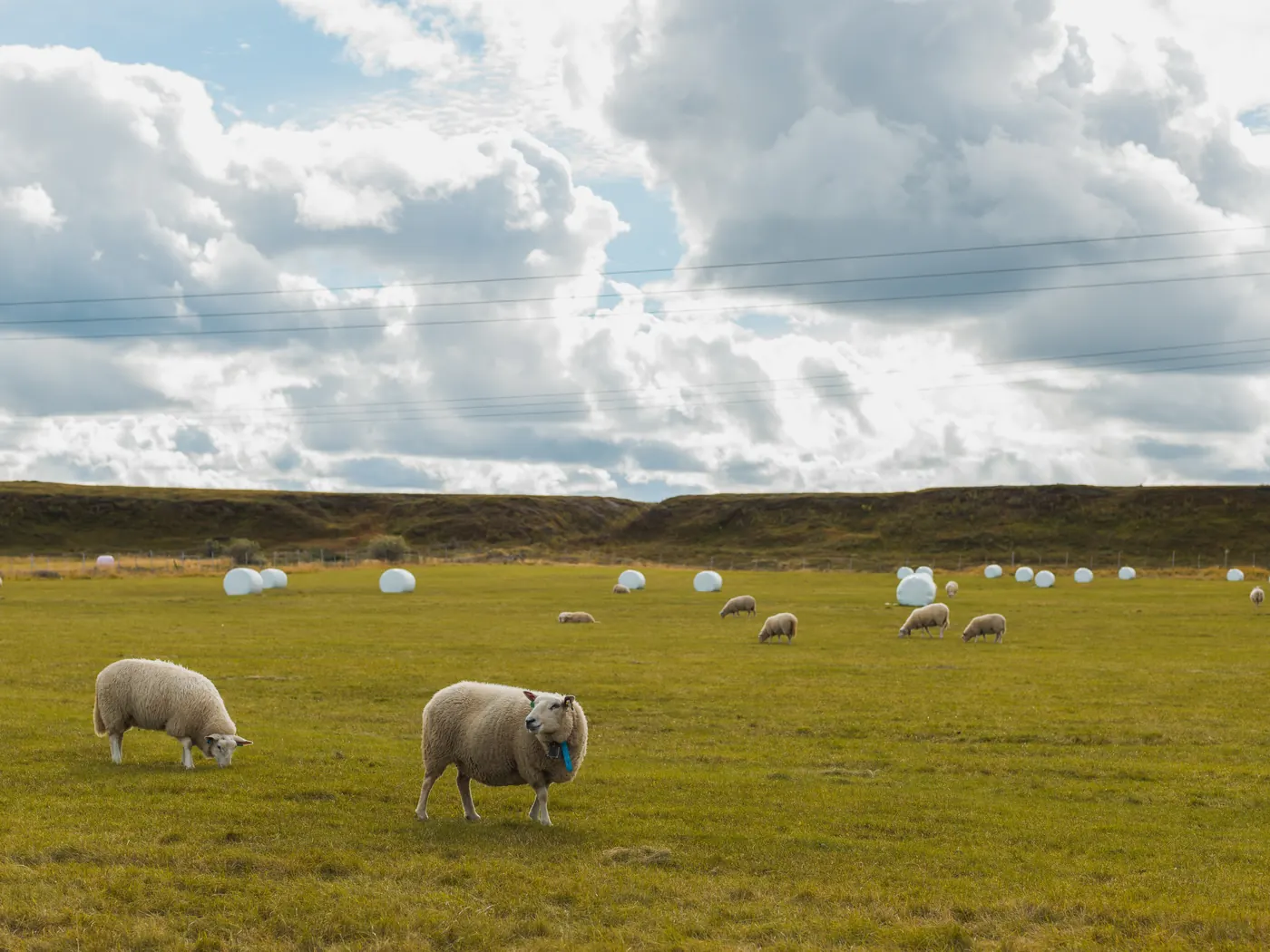
New Zealand’s farming is mostly pasture-based, and dairy, sheep and beef, horticulture and wine all sit close to the touring routes — the Waikato for dairy, Hawke’s Bay and the Bay of Plenty for orchards, Marlborough and Central Otago for wine. Fieldays, held each June at Mystery Creek near Hamilton, draws agricultural visitors from around the world. On the energy side, Wairākei, north of Taupō, was New Zealand’s first geothermal power station.
Biosecurity is part of every farm visit. The Ministry for Primary Industries requires used outdoor equipment, including dirty boots and shoes, to be declared on arrival, and has published extra border requirements for passengers from countries with foot-and-mouth disease. Farms set their own on-farm rules, such as clean footwear or time since the last farm visit, and we brief every group before the first host.
Often planned with: Food, wine & farm experiences · Group tours & GIT · Guides & driver-guides · Hamilton & the Waikato · Taupō
- Farm, dairy and orchard visits arranged
- Vineyard and winery technical visits
- Geothermal and energy-site visits on request
- Interpreters and technical briefings
- Biosecurity briefings for farm visits
- Fieldays and agricultural event logistics
How agricultural & technical study tours works with Explera — step by step.
Technical brief
Sector, topics, professional level, language, numbers and the questions the group wants answered.
Host approaches
We approach suitable farms, orchards, wineries, processors and energy or research sites on the group’s behalf.
Confirmed programme
Visits confirmed in writing with each host, then touring, rooms and coaches built around them.
Briefings
Biosecurity and etiquette briefings before the first visit, with interpreters where needed.
On tour
The desk manages timings with hosts, who may need to move a visit for weather or work on the farm.
What is included in agricultural & technical study tours — in detail.
Farm, dairy and orchard visits arranged
Farm, dairy and orchard visits arranged — we approach suitable hosts on the group’s behalf and confirm in writing who will host, what they will show and how long the visit takes. Hosts decide whether and when to receive a group, and visits fit around the working day on the farm.
Vineyard and winery technical visits
Vineyard and winery technical visits — vineyard and winery visits for growers and winemakers, with technical content agreed in advance with the host. Tastings are chauffeured so nobody needs to drive.
Geothermal and energy-site visits on request
Geothermal and energy-site visits on request — requested from the site operator for engineering and energy groups. Access to working plant is the operator’s decision and may have safety conditions, so these visits are confirmed only in writing.
Interpreters and technical briefings
Interpreters and technical briefings — interpreters who can handle technical vocabulary, and a short briefing before each visit so the group arrives with the right questions.
Biosecurity briefings for farm visits
Biosecurity briefings for farm visits — MPI requires used outdoor equipment, including dirty boots and shoes, to be declared on arrival, and farms set their own rules for visitors. We brief every group before the first host and plan clean footwear into the day.
Fieldays and agricultural event logistics
Fieldays and agricultural event logistics — Fieldays is held each June at Mystery Creek near Hamilton, and rooms around it fill early. We plan entry, transport and accommodation, and confirm the year’s dates at quotation.
Where we run agricultural & technical study tours in New Zealand.
Agricultural & technical study tours in Hamilton & the Waikato
Hamilton sits on the Waikato River at the centre of one of New Zealand’s main dairy regions, about an hour and a half south of Auckland. Fieldays, the large agricultural event, is held each June at Mystery Creek nearby, and Waitomo and Hobbiton are within easy reach. It is a core base for agricultural & technical study tours on our New Zealand programmes. Days in Hamilton & the Waikato are sequenced around the weather and opening hours, with weather-dependent elements given buffer time and a worthwhile alternative. Entrance fees and inclusions are itemised in the net rate — no surprises on the day.
Agricultural & technical study tours in Napier
Napier is the centre of Hawke’s Bay, rebuilt in art deco style after the 1931 earthquake and surrounded by one of the country’s established wine regions. It has its own airport and pairs naturally with Taupō and the central North Island. For agricultural & technical study tours, it is one of the places we plan around most often. Days in Napier are sequenced around the weather and opening hours, with weather-dependent elements given buffer time and a worthwhile alternative. Private versions of every programme quote on request.
Agricultural & technical study tours in Marlborough Wine Country
Blenheim is the heart of Marlborough, New Zealand’s largest wine region, and a short drive from Picton, where the Cook Strait ferries arrive. Cellar doors cluster close to town, which makes Marlborough easy to fold into a ferry-day itinerary. It features regularly in the agricultural & technical study tours files we quote. Days in Marlborough Wine Country are sequenced around the weather and opening hours, with weather-dependent elements given buffer time and a worthwhile alternative. Each weather-dependent element carries an alternative that is genuinely worth doing.
Agricultural & technical study tours in Taupō
Taupō sits on the shore of Lake Taupō in the centre of the North Island, close to Huka Falls and within reach of Tongariro National Park. It links Rotorua and the central plateau with the roads south to Wellington and east to Hawke’s Bay. It is a core base for agricultural & technical study tours on our New Zealand programmes. Days in Taupō are sequenced around the weather and opening hours, with weather-dependent elements given buffer time and a worthwhile alternative. Entrance fees and inclusions are itemised in the net rate — no surprises on the day.
These bases are where we plan agricultural & technical study tours most often, but they are not the limit. The same desk quotes this service anywhere in New Zealand a brief requires — Northland to Stewart Island, single-region stays or both-island circuits. If your client’s brief names a place you do not see here, send it anyway; the answer will come back with a costed plan or an honest alternative.
Seasons run opposite to the northern hemisphere. Summer (December to February) is the long-daylight peak, and Christmas, New Year and the January school holidays are the busiest domestic weeks — book accommodation, campervans and popular activities well ahead for those dates, and allow for added pressure around Chinese New Year. Autumn (March to May) brings settled weather, vintage in the wine regions and good value; winter (June to August) brings snow to the Southern Alps and the ski season; spring (September to November) brings lambs, blossom and waterfalls in full flow. Mountain weather can change quickly in any season, which is why we plan alternatives rather than hoping for sunshine.
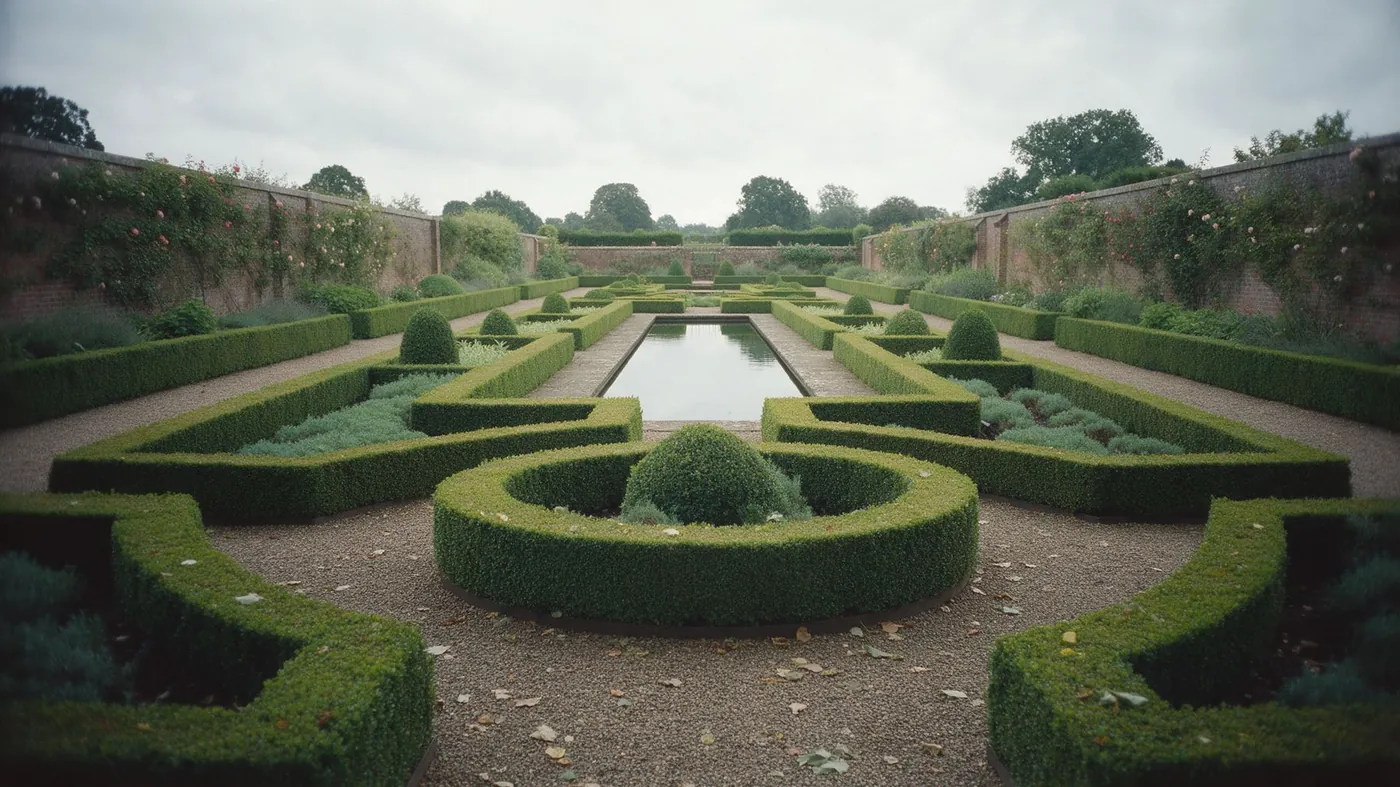
Hamilton & the Waikato
The Waikato River city with the themed Hamilton Gardens, on the road between Auckland and Rotorua.
Agent guide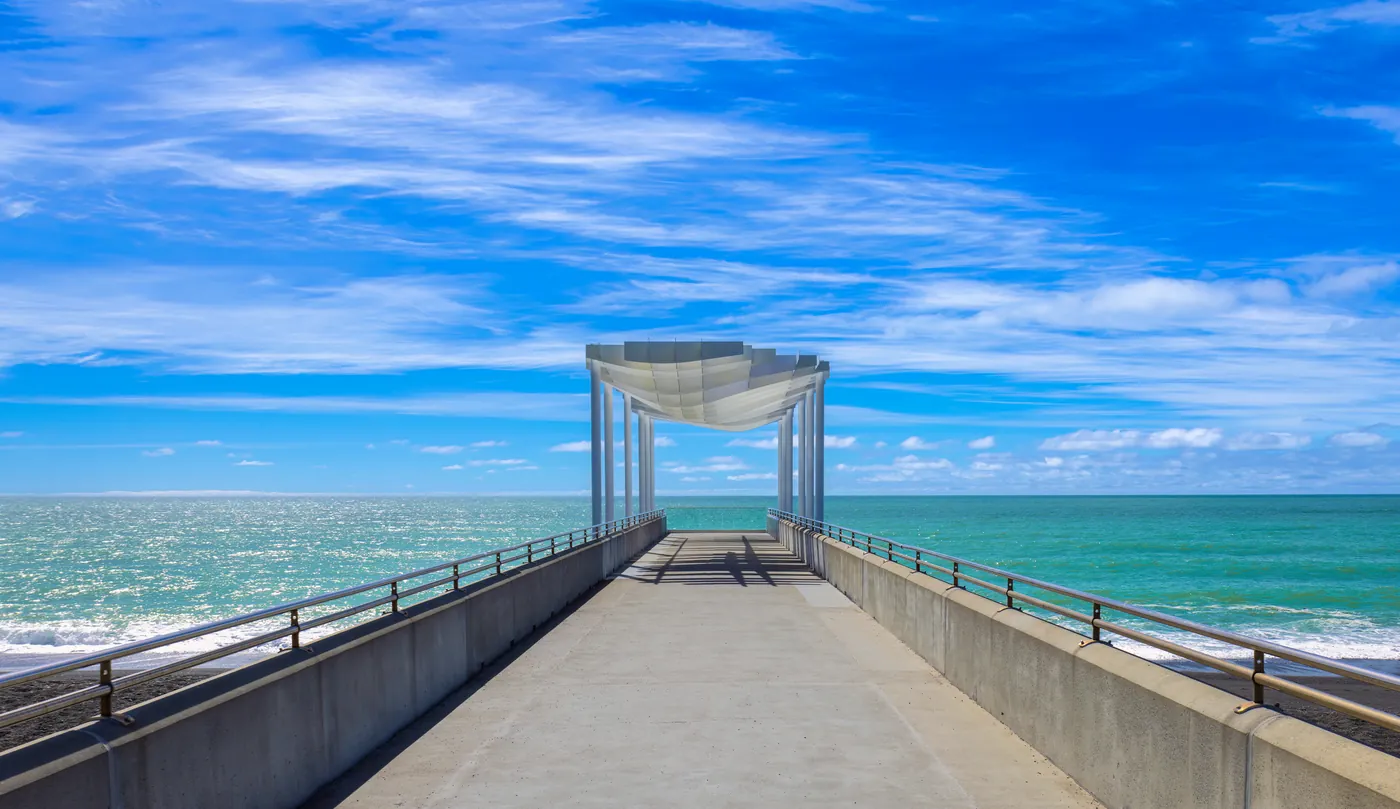
Napier
A city rebuilt in Art Deco after the 1931 earthquake, in the heart of Hawke’s Bay wine country.
Agent guide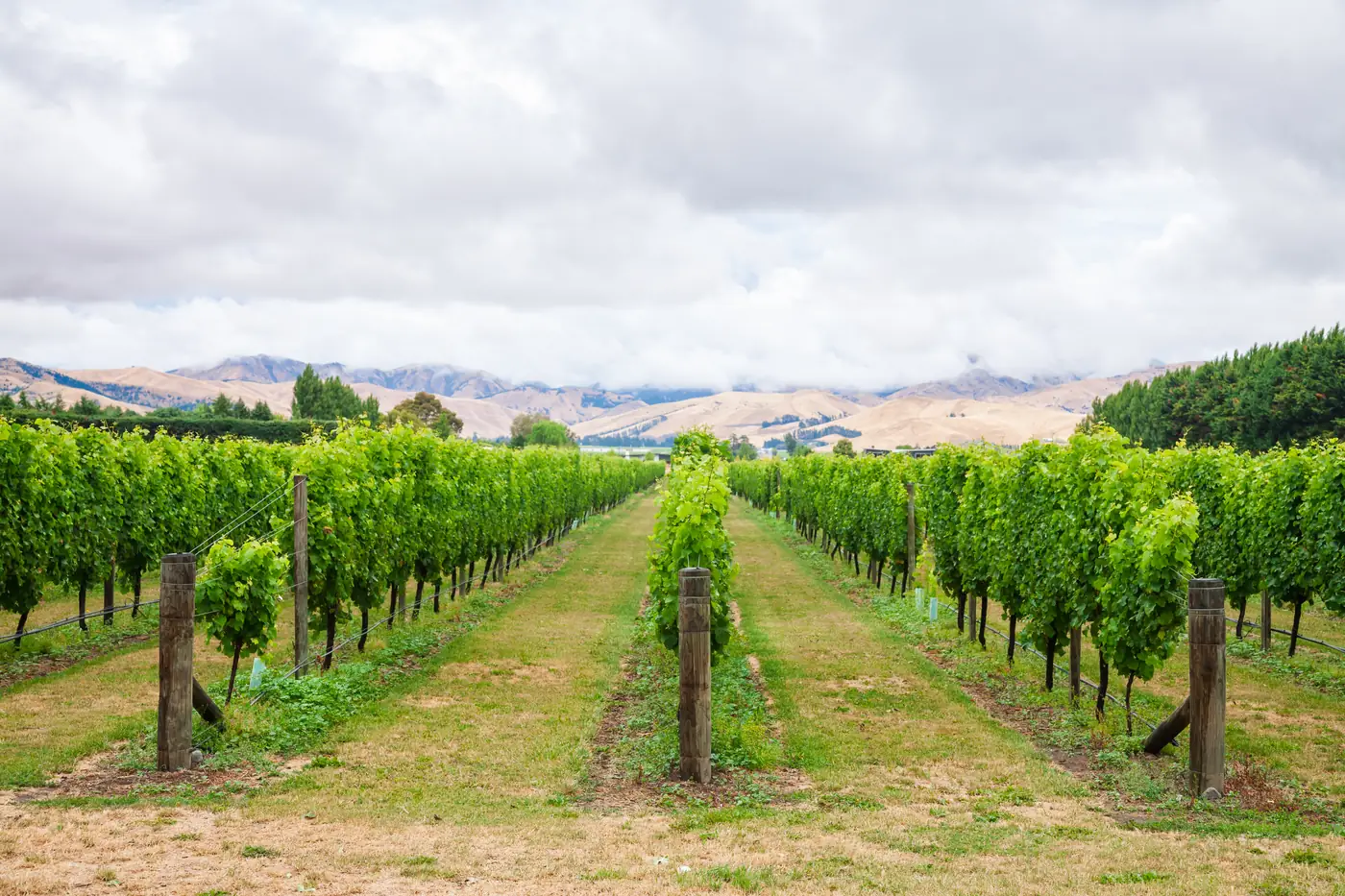
Marlborough (Blenheim)
Sauvignon blanc country — cellar doors and vineyard lunches around Blenheim.
Agent guide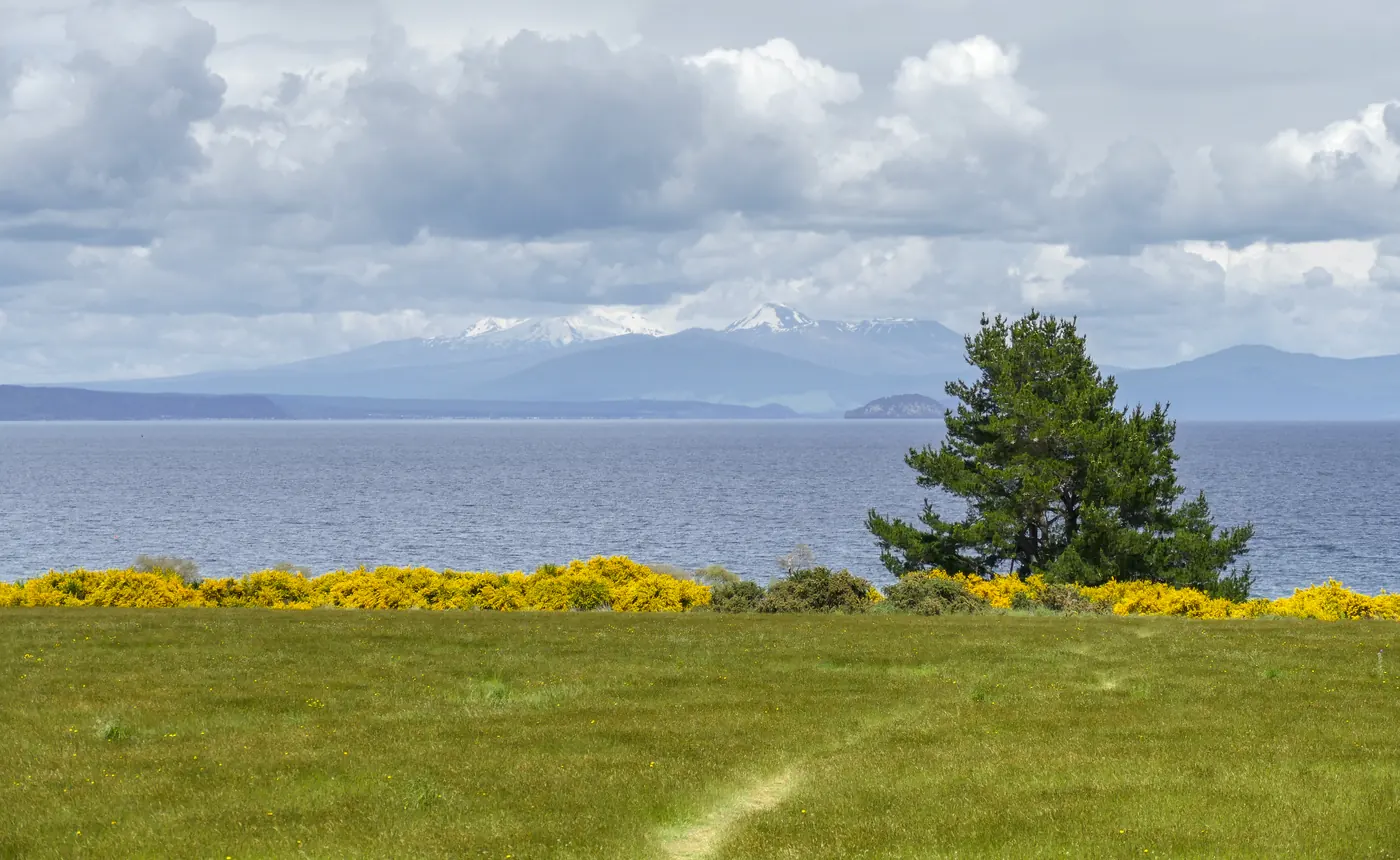
Taupō
New Zealand’s largest lake, the Huka Falls and the gateway to Tongariro.
Agent guideOur operating standards for agricultural & technical study tours.
Hosts decide
No visit is promised until the host confirms it in writing.
Biosecurity first
Clean footwear and the host’s own rules are briefed before every farm visit.
Technical depth
Hosts are matched to the group’s professional level, with interpreters for technical content.
Respect for working sites
Visits fit around the farm’s or plant’s working day, not the other way round.
Who books agricultural & technical study tours — and how to sell it.
Farmers’ groups and co-operatives
Dairy, sheep and beef, and arable groups looking at pasture systems and farm management.
Horticulture and wine professionals
Orchardists, growers and winemakers studying production, packing and export.
Agribusiness and government delegations
Industry, research and policy visits combined with business meetings.
Energy and engineering groups
Geothermal and renewable-energy study tours, subject to each operator’s agreement.
Agricultural & technical study tours pricing — what drives the quote.
Study-tour pricing is built per person at stated group sizes. The main drivers are the number of host visits and any host fees, interpreters, coach days, accommodation and meals. Host fees, where a host sets one, are passed through at cost.
Fieldays week fills rooms around Hamilton early, and farm hosts are least available at the busiest times of their year, such as calving or harvest. We advise on timing at quotation.
For a live number, send the dates, party size and the shape of the file. The quotation comes back itemised, valid for a stated window and rate-locked when you confirm.
Agricultural & technical study tours — trade terms, quick reference.
Fieldays
New Zealand’s large agricultural event, held each June at Mystery Creek near Hamilton.
On-farm biosecurity
A farm’s own rules for visitors, such as clean footwear or no recent contact with other livestock.
NZTD
The New Zealand Traveller Declaration, completed by everyone travelling to New Zealand, where biosecurity risk items are declared.
Agricultural & technical study tours — asked by agents.
How do agents book agricultural & technical study tours with Explera?
Send the brief from the contact page, by email or on WhatsApp with dates, party size and requirements. An itemised, client-ready quotation comes back, typically within one business day for straightforward files; complex MICE programmes take longer.
Are rates net or commissionable?
All trade rates are net — your margin is yours to set. Quotations are itemised in NZD or your working currency and rate-locked at confirmation.
Who looks after our clients on the ground?
Our operations desk and the suppliers we contract, backed by a 24/7 support line on New Zealand time. The emergency contact is printed in every set of travel documents, and delivery is white-label.
Can this service combine with other Explera products?
Yes — most programmes combine accommodation, transport, guides and experiences under one itinerary, one invoice and one coordinator.
Can you guarantee a visit to a particular farm?
No. Hosts decide whether and when to receive a group. We approach suitable hosts, and a visit enters the programme only once it is confirmed in writing.
What biosecurity rules apply to farm visitors?
MPI requires used outdoor equipment, including dirty boots, to be declared on arrival, and farms set their own on-farm rules. We brief every group before the first visit.
When is Fieldays held?
Fieldays is held each June at Mystery Creek near Hamilton. Exact dates are confirmed at quotation.
Related services
Food, wine & farm experiences
Food-and-wine programmes in Marlborough, Hawke’s Bay, Central Otago, Waiheke Island and Martinborough — cellar doors, winery lunches, producers and farm visits.
Learn more Series handlingGroup tours & GIT
Group tours and GIT series across both islands — coaches, group-friendly hotels and dining, guides and the rooming logistics that keep repeat departures consistent.
Learn more Specialist guidingGuides & driver-guides
Private guides, driver-guides and tour leaders across New Zealand — matched to your clients’ language and interests and briefed on every itinerary.
Learn more Study toursStudent & educational groups
Student and educational group travel in New Zealand — study tours, school and university groups, field trips and cultural exchanges, with supervision plans, safety planning and budgets built in.
Learn more
Explera DMC New Zealand is the B2B New Zealand DMC for Agricultural & technical study tours. We contract the accommodation, transfers, licensed guides and experiences at net rates, so you sell Agricultural & technical study tours with one accountable ground partner and your own branding. Send the brief to our New Zealand DMC desk for a net service quotation.