

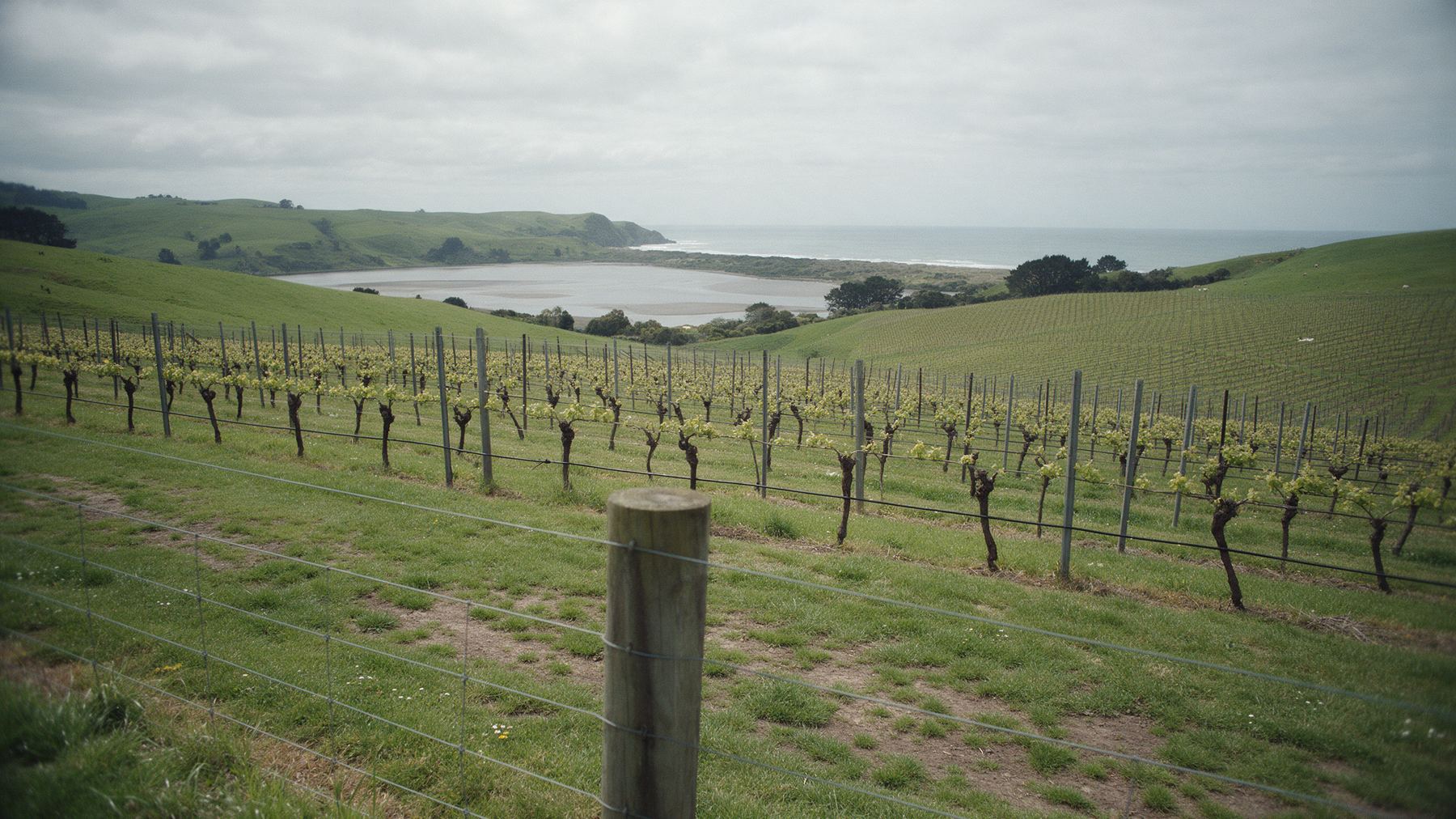
Matakana Coast DMC — agent guide
Wineries, a Saturday farmers’ market and New Zealand’s first marine reserve, an hour north of Auckland.
Can Explera handle Matakana Coast for my agency's clients?
Yes. Explera DMC New Zealand is your ground partner in Matakana Coast: accommodation, transfers, guides and experiences at net B2B rates, confirmed with a written quotation, with routing, timings and weather contingencies handled by our trade desk.
Last updated: 5 October 2026
Selling Matakana Coast with confidence.
Matakana village and its Saturday farmers’ market, boutique wineries and sculpture parks in the hills, snorkelling at Goat Island Marine Reserve near Leigh, and the open sanctuary at Tāwharanui Regional Park. Sandspit is the ferry point for Kawau Island and its historic Mansion House.
The Matakana Coast is the closest wine-and-food country to Auckland, and it works as a soft first day for clients just off a long-haul flight. The village has a Saturday-morning farmers’ market, a cinema and cafés; the surrounding hills hold boutique wineries, olive groves and private sculpture parks with walking trails. Further out, Goat Island (Cape Rodney–Okakari Point) became New Zealand’s first marine reserve in 1975, and snapper and blue maomao now swim within metres of the beach.
For the trade, Matakana is an easy add-on to the Northland touring route on State Highway 1. We combine a winery lunch with a snorkel or glass-bottom boat at Goat Island, a walk in the predator-fenced Tāwharanui Regional Park, or a ferry from Sandspit to Kawau Island. Small groups and incentive days work well here; larger coaches need venue checks, as several cellar doors are on narrow rural roads.
As your Matakana Coast DMC, Explera is the destination management company behind the itinerary — contracting the accommodation, arranging the transfers and excursions, booking guides and handling changes once your clients are on the ground. You keep the client relationship and the retail margin; we run Matakana Coast on the ground.
What we package in Matakana Coast — curated by Explera.
Transfers, tickets and guiding arranged; every experience below is bookable at net rates for your clients.
Every Matakana Coast experience, explained for agents.
The numbered cards above show what we package in Matakana Coast; this section explains how each experience runs on the ground — timing, booking, guiding and the type of client each one suits. Matakana Coast sits in the Auckland and Northland region, where most long-haul arrivals land, so it fits naturally into the first or last days of a programme. Because Matakana Coast has a mild, subtropical climate, the year runs from warm, humid summers (December to February) to mild, showery winters, with the domestic holiday peak over Christmas and January. Every experience below is quoted at net rates with transfers included, and the trade desk will combine any of them into half-day, full-day or multi-day modules.
Matakana Village Farmers’ Market (Saturday)
Matakana Village Farmers’ Market turns the food and wine story of Matakana Coast into a hosted, bookable experience. We arrange a driver for any tasting programme — no self-drive after wine — pre-book tables that fill on summer weekends, and send dietary requirements ahead so kitchens are ready. Regional produce, seafood and wine are the stars; vegetarian, halal and allergy needs can be catered for with notice.
Fit matters: Matakana Village Farmers’ Market suits most profiles, but we will tell you honestly when it does not. Families get adjusted timings, couples get the private upgrade and the quieter hours, and groups get marshalled logistics with buffer time. In Matakana Coast we would rather flag a mismatch at quotation than collect a complaint after travel.
Season shapes this experience more than many clients expect. Because Matakana Coast has a mild, subtropical climate, the year runs from warm, humid summers (December to February) to mild, showery winters, with the domestic holiday peak over Christmas and January, so the desk will tell you plainly how Matakana Village Farmers’ Market performs on your travel dates and when an alternative serves the booking better. That candour at quotation stage costs less than disappointment after travel.
Boutique winery lunch and tastings
Food and wine are what clients talk about after Matakana Coast, and Boutique winery lunch and tastings is where that conversation starts. We build it as a paced half- or full-day: a few well-chosen stops rather than a rush, with time to talk to producers where possible. Lunch reservations, transport and tasting fees are bundled into one net figure, and group formats can be arranged with private rooms or long tables.
Guides and drivers make this experience. English is standard; other languages can be requested and are confirmed subject to availability, so language needs should travel with the booking for Boutique winery lunch and tastings. If your clients have mobility needs, young children or a serious photography interest, tell the trade desk at booking and the pacing will be shaped accordingly.
As an upsell, Boutique winery lunch and tastings works hardest in combination: pair it with another experience on this page that shares the same direction of travel and the same vehicle, and the day reads as a richer product at a better combined price. Private upgrades, extended time and meal add-ons are itemised separately, so you choose the margin structure.
Goat Island Marine Reserve snorkel or glass-bottom boat
Goat Island Marine Reserve snorkel or glass-bottom boat is the headline water experience in Matakana Coast, and sea and weather conditions decide everything. We book the best-timed departure for the season, confirm the evening before, and hold a sheltered alternative or a spare day when wind or swell cancels a trip — your client hears about a plan, not a cancellation. Transfers to the wharf, life jackets and any conservation charges are included in one net figure.
For agents, the commercial logic is simple: Goat Island Marine Reserve snorkel or glass-bottom boat is contracted at net rates with transfers and entry bundled into one line on the quotation, and you set your own margin. We confirm availability, issue vouchers your clients can show on a phone, and handle small operational changes — a weather swap, a revised pickup — without bothering you or your client.
As an upsell, Goat Island Marine Reserve snorkel or glass-bottom boat works hardest in combination: pair it with another experience on this page that shares the same direction of travel and the same vehicle, and the day reads as a richer product at a better combined price. Private upgrades, extended time and meal add-ons are itemised separately, so you choose the margin structure.
Tāwharanui open sanctuary walk
Tāwharanui open sanctuary walk is a signature stop that gives a Matakana Coast programme its sense of place. We sequence it deliberately — early on a clear morning or later in the golden hour — because arriving at midday wastes both the light and the view. Parking and access are sorted in advance, and a guide who knows the quieter vantage points makes the difference. Mobility-limited clients can often be accommodated with notice.
For agents, the commercial logic is simple: Tāwharanui open sanctuary walk is contracted at net rates with transfers and entry bundled into one line on the quotation, and you set your own margin. We confirm availability, issue vouchers your clients can show on a phone, and handle small operational changes — a weather swap, a revised pickup — without bothering you or your client.
As an upsell, Tāwharanui open sanctuary walk works hardest in combination: pair it with another experience on this page that shares the same direction of travel and the same vehicle, and the day reads as a richer product at a better combined price. Private upgrades, extended time and meal add-ons are itemised separately, so you choose the margin structure.
Kawau Island ferry and Mansion House
For many clients, Kawau Island ferry and Mansion House is the day they came to Matakana Coast for. We keep group sizes sensible, match the vessel to the manifest, and advise on seasickness honestly: a calmer morning sailing or a larger boat often makes the difference. Private charters upgrade the experience for couples and small families; scheduled departures keep FIT costings sharp. Every booking carries a weather contingency.
Guides and drivers make this experience. English is standard; other languages can be requested and are confirmed subject to availability, so language needs should travel with the booking for Kawau Island ferry and Mansion House. If your clients have mobility needs, young children or a serious photography interest, tell the trade desk at booking and the pacing will be shaped accordingly.
Season shapes this experience more than many clients expect. Because Matakana Coast has a mild, subtropical climate, the year runs from warm, humid summers (December to February) to mild, showery winters, with the domestic holiday peak over Christmas and January, so the desk will tell you plainly how Kawau Island ferry and Mansion House performs on your travel dates and when an alternative serves the booking better. That candour at quotation stage costs less than disappointment after travel.
Sculpture park walk
Sculpture park walk supplies the scenery that sells Matakana Coast, and it over-delivers in person. We grade it honestly — distance, climbing and surface — so agents never oversell the difficulty, and we schedule it for the best light and weather window. Footwear and layers are flagged at booking; mountain weather in New Zealand changes quickly, so we keep a lower-level alternative ready and never push a group onto an exposed track in poor conditions.
Operationally, Sculpture park walk runs from any Matakana Coast hotel with pickup times confirmed the day before. Arrival is via Auckland, and the day is planned around realistic driving times rather than brochure optimism. Clients receive clear vouchers, a named meeting point and an emergency contact number.
As an upsell, Sculpture park walk works hardest in combination: pair it with another experience on this page that shares the same direction of travel and the same vehicle, and the day reads as a richer product at a better combined price. Private upgrades, extended time and meal add-ons are itemised separately, so you choose the margin structure.
Beyond the headline experiences, we can build special-interest programmes — photography, walking, food and wine, farm visits or team activities — on request. If your client brief does not match anything above, describe it to the trade desk. And because Matakana Coast sits within reach of Auckland and Hauraki Gulf & Waiheke, most of these experiences can be woven into a wider Auckland and Northland routing without changing hotels every night.
Seasonality in Matakana Coast — when to book your clients.
Southern-hemisphere seasons: summer is December to February, winter June to August.
| Season | Months | Weather | Sea conditions | Agent notes |
|---|---|---|---|---|
| Summer | Dec–Feb | Warm and humid, mid-20s°C; occasional ex-tropical storms | Warmest sea; best for swimming and sailing | Domestic peak over Christmas, New Year and the January school holidays — book beach and island stock early. |
| Autumn | Mar–May | Settled and mild, high teens to low 20s°C | Still warm in March and April | A strong shoulder season: warm water, fewer domestic holidaymakers, better availability. |
| Winter | Jun–Aug | Mild and wetter, around 14–16°C by day | Cool; boat trips more weather-dependent | Rarely cold, but showery. Good value for city stays, culture and food programmes. |
| Spring | Sep–Nov | Changeable, warming through the high teens | Cool but warming; windy days | Good touring weather by November; school holidays in late September–October lift demand. |
Matakana Coast month by month — the agent calendar.
Seasonality decides whether a Matakana Coast programme delights or disappoints, so here is the month-by-month picture our team works from. New Zealand is in the southern hemisphere: summer is December to February and winter June to August. Because Matakana Coast has a mild, subtropical climate, the year runs from warm, humid summers (December to February) to mild, showery winters, with the domestic holiday peak over Christmas and January. Use it to set expectations at the point of sale — clients forgive weather they were warned about.
January in Matakana Coast
High summer in Matakana Coast: warm, humid days in the mid-20s°C and the warmest sea of the year. The New Zealand school holidays run through most of the month, so beaches, ferries and accommodation are at their busiest. Guide availability tightens in busy weeks, so language requests should travel with the booking. Booking note: domestic flights and ferries can fill before hotels — sequence transport early.
February in Matakana Coast
Late summer in Matakana Coast is often the most settled weather of the year, with warm water and long evenings. Waitangi Day (6 February) is a public holiday. Occasional ex-tropical storms can bring heavy rain — we keep a flexible day in the programme. We check road and weather conditions each morning against every transfer and excursion. Booking note: keep one flex day in the programme for weather.
March in Matakana Coast
Early autumn in Matakana Coast: still warm, sea temperatures at their peak and the domestic crowds gone. One of the best months to sell beaches, sailing and island days. Vehicle choice follows the season: alpine-experienced drivers and snow chains when winter roads require them. Booking note: a good month for honeymoon upgrades at shoulder pricing.
April in Matakana Coast
Mild autumn in Matakana Coast, high teens to low 20s°C. Easter and the April school holidays bring a short domestic spike; otherwise a calm, good-value shoulder month. Weather swaps are decided early, before clients reach the lobby. Booking note: confirm release dates in writing to protect your allotment.
May in Matakana Coast
Cooler, settled late autumn in Matakana Coast, with crisp mornings and comfortable touring days. Quiet and good value, though boat trips become more weather-dependent. Hotel release dates bite hardest in this window — we flag every deadline in writing. Booking note: a good month for honeymoon upgrades at shoulder pricing.
June in Matakana Coast
Early winter in Matakana Coast: mild by international standards, around 15°C by day, but showery. Matariki, the Māori New Year, is marked with a public holiday in June or July. Weather swaps are decided early, before clients reach the lobby. Booking note: keep one flex day in the programme for weather.
July in Matakana Coast
Mid-winter in Matakana Coast: mild and wet, rarely cold. The July school holidays lift domestic travel. A good month for city, culture and food programmes at keener rates. Weather swaps are decided early, before clients reach the lobby. Booking note: domestic flights and ferries can fill before hotels — sequence transport early.
August in Matakana Coast
Late winter in Matakana Coast, still mild with showers and some bright, still days. Low season for beaches but pleasant for walking and touring. On the ground, drivers and activity operators are reconfirmed the day before each programme day. Booking note: confirm rooms 60–90 days out for this window.
September in Matakana Coast
Early spring in Matakana Coast: changeable, warming weather and longer days. School holidays at the end of the month lift demand. Vehicle choice follows the season: alpine-experienced drivers and snow chains when winter roads require them. Booking note: family demand spikes — reserve family rooms early.
October in Matakana Coast
Spring in Matakana Coast brings warming days in the high teens, blossom and lambs in the countryside, and windy spells. Labour Day weekend (late October) is a domestic holiday. Guide availability tightens in busy weeks, so language requests should travel with the booking. Booking note: domestic flights and ferries can fill before hotels — sequence transport early.
November in Matakana Coast
Late spring in Matakana Coast: warm, often settled weather and the start of the summer season. A strong month for touring before the domestic holidays begin. We check road and weather conditions each morning against every transfer and excursion. Booking note: domestic flights and ferries can fill before hotels — sequence transport early.
December in Matakana Coast
Early summer in Matakana Coast: warm days, pōhutukawa in flower along the coast, and the Christmas build-up. Confirm accommodation and ferries early for the holiday period. On the ground, drivers and activity operators are reconfirmed the day before each programme day. Booking note: family demand spikes — reserve family rooms early.
More New Zealand scenes to sell alongside Matakana Coast.


Stock photography of New Zealand; each image is captioned with the place it shows.
Food & wine, shopping, wellness & the outdoors — agent-curated.
Matakana Coast food, shopping & everyday life — the agent briefing.
Food & wine in Matakana Coast
Food and wine are a real part of a Matakana Coast programme, and we treat them as seriously as sightseeing. The venues below are a working shortlist of the kind of places we route clients to. We book tables that fill on summer weekends, send dietary requirements ahead, and always arrange a driver for any tasting programme.
Local specialities. Regional produce around Matakana Coast; ask the trade desk how it pairs with the day programmes above. Cafés and bistros. Relaxed New Zealand dining; ask the trade desk how it pairs with the day programmes above.
Shopping in Matakana Coast
Clients measure a destination partly by what they bring home, and Matakana Coast offers well-made local products. The list below covers the most useful places for visitors; our guides point clients towards genuine New Zealand-made goods, and to reputable sellers for culturally significant items such as pounamu.
Local makers. Crafts and design in Matakana Coast; ask the trade desk how it pairs with the day programmes above. New Zealand wool and merino. Practical, popular gifts; ask the trade desk how it pairs with the day programmes above.
Wellness in Matakana Coast
Wellness in Matakana Coast ranges from hot pools and spas to quiet gardens and forest walks. We pre-book treatments and pool sessions so clients are not turned away at busy times, and pair a relaxed afternoon with an active morning for a balanced day.
Spa treatments. Hotel and day spas — bookable through our desk with transfers timed to your programme. Gardens and lookouts. Quiet green spaces; we fold it into touring days at net rates so you keep the margin.
Adventure & outdoors in Matakana Coast
Active options in Matakana Coast run from easy walks to serious adrenaline, and the difference matters at the point of sale. Below is the outdoor menu with our notes; each activity is booked with weather contingency, and the operator’s age, weight and health requirements are confirmed in advance.
Coastal walks. Clifftop and beach tracks — bookable through our desk with transfers timed to your programme. Boat trips. Cruises and water taxis — we confirm timings and hold space on busy dates.
Dietary note for agents: Matakana Coast handles dietary requirements well, especially in Auckland, where vegetarian, vegan, halal and allergy-aware options are easy to find. Outside the city, choice narrows, so we send requirements ahead to every restaurant and lodge on the route.
Sample Matakana Coast itineraries for agents.
These three sample programmes show how we typically sequence Matakana Coast for the trade — a short format, a complete stay and a regional combination. They are templates, not fixed products: the trade desk re-times, re-prices and re-routes them around your clients’ flights, budget and pace.
Short stay in Matakana Coast — 3 days
The essential format: arrival, the headline experiences and an unhurried departure, built around Auckland.
- Day 1: Arrival via Auckland — meet and greet and private transfer (around 1 h north of Auckland CBD by road), check-in and an easy first evening with dinner recommendations.
- Day 2: Full day pairing Matakana Village Farmers’ Market with Boutique winery lunch and tastings — timed for the best conditions, lunch arranged, guide or driver throughout.
- Day 3: Flexible final morning around Goat Island Marine Reserve snorkel or glass-bottom boat or free time, then a timed transfer onward or back to Auckland.
Net-rate note: the short format prices keenly because one vehicle and one guide can cover the programme — ask the desk for per-person pricing at 2, 4 and 6 passengers.
Complete Matakana Coast — 5 days
The full destination at a humane pace, with a free day that protects satisfaction and invites upsells.
- Day 1: Arrival via Auckland, private transfer and check-in; a briefing pack with the week mapped out.
- Day 2: Signature day: Matakana Village Farmers’ Market in the morning, then Boutique winery lunch and tastings in the afternoon — tickets and lunch pre-arranged at net rates.
- Day 3: Second excursion day built around Goat Island Marine Reserve snorkel or glass-bottom boat with Tāwharanui open sanctuary walk woven in, paced for photography and unhurried stops.
- Day 4: Free or weather-flex day with optional add-ons: Kawau Island ferry and Mansion House, a spa session, a food and wine outing or a scenic walk — each bookable as a same-week module.
- Day 5: Slow breakfast, then the onward transfer or flight from Auckland, timed against the schedule.
Net-rate note: longer stays often unlock better hotel rates and make weather-dependent experiences far more reliable.
Combination — 7 days with Hauraki Gulf & Waiheke and Bay of Islands
The regional combination: Matakana Coast with its Auckland and Northland neighbours Hauraki Gulf & Waiheke and Bay of Islands, one ground team handling every leg.
- Day 1: Arrive via Auckland; private transfer, check-in and an easy first evening in Matakana Coast.
- Day 2: Headline Matakana Coast day: Matakana Village Farmers’ Market plus Boutique winery lunch and tastings, with guide, entry and lunch included.
- Day 3: Morning at Goat Island Marine Reserve snorkel or glass-bottom boat, afternoon transfer to Hauraki Gulf & Waiheke — luggage handled, scenic stops where the road allows.
- Day 4: Full day in Hauraki Gulf & Waiheke, operated by the same team so vouchers and standards stay consistent.
- Day 5: Onward to Bay of Islands with a highlight on arrival — one unhurried transfer, not two rushed ones.
- Day 6: Bay of Islands at full depth — the two strongest experiences for your client profile, evening free.
- Day 7: Transfer to the most sensible departure airport for the routing — the desk sequences flights so nobody backtracks.
Net-rate note: multi-stop programmes are where a DMC earns its keep — one invoice, one coordinator, contracted rates on every leg.
Selling Matakana Coast by traveller type.
The same destination sells differently to different clients, so here is how we position Matakana Coast segment by segment. Matakana Coast sits in the Auckland and Northland region, where most long-haul arrivals land, so it fits naturally into the first or last days of a programme, which shapes who books it and why.
Families in Matakana Coast
Selling Matakana Coast to families is straightforward when the building blocks are right. Start with Goat Island Marine Reserve snorkel or glass-bottom boat — reliably the day children talk about afterwards — and balance it with Kawau Island ferry and Mansion House at a gentler pace. Free afternoons are deliberate, not gaps, and New Zealand’s long summer evenings give families time to explore on their own.
Honeymoons & couples in Matakana Coast
For couples, Matakana Coast works best as a rhythm of highlight and rest. We schedule Goat Island Marine Reserve snorkel or glass-bottom boat and Kawau Island ferry and Mansion House for the best light and leave the rest unhurried: long breakfasts, spa time, a special dinner booked in advance. Lodge stays and private experiences are the natural upgrades.
Luxury & VIP in Matakana Coast
Luxury files in Matakana Coast run on a different footing: private vehicles with experienced drivers, the best room categories at lodges and boutique hotels, and a single named coordinator. Matakana Village Farmers’ Market is arranged privately at the best time, and Boutique winery lunch and tastings with the most exclusive format available. We set out in writing what each upgrade delivers, so your client sees the difference before they travel.
Groups & MICE in Matakana Coast
Incentive groups judge a destination on arrival and on the final evening, so our Matakana Coast group programmes invest there: smooth airport handling with clear signage, and a well-staged farewell dinner. In between, Matakana Village Farmers’ Market and Boutique winery lunch and tastings provide the shared moments. We manage room blocks and rooming lists through every revision, with one project manager from proposal to completion.
Adventure & active in Matakana Coast
Adventure sells Matakana Coast to clients who want more than scenery. The active menu runs from soft to serious, anchored by Tāwharanui open sanctuary walk and rounded out by Sculpture park walk, with each option graded honestly. Build a rest day into any active week, and let the desk sequence activities so the hardest day never follows the longest transfer.
Matakana Coast logistics — getting there, getting around, where to stay.
Getting there
Matakana Coast is reached via Auckland: around 1 h north of Auckland CBD by road. We meet arrivals with a named greeter where required and a vehicle sized to the group — car, minibus or coach — with an experienced driver, and track inbound flights so a delay costs only the delay. Onward connections are sequenced by the trade desk: we tell you frankly whether a domestic flight, a coach or a private transfer serves the routing best, and price the options side by side.
Getting around
Getting around Matakana Coast blends road and water: private vehicles or coaches for touring days, and boats, ferries or water taxis where the coast is the attraction. We pre-arrange every leg so clients move from hotel to wharf without negotiating anything, and on boat days conditions are checked in the morning and the plan adjusted if the weather argues.
Where to stay — areas
Placement in Matakana Coast follows two or three logics. The town centre or waterfront concentrates hotels, restaurants and departure points for cruises and tours — the default for most files. Lodges and boutique stays on the edge of town or on the coast trade convenience for views and quiet, and suit couples and longer stays. Stock is limited in smaller centres, so summer dates need earlier commitment.
Practical notes for agents
Practical notes for agents: ground arrangements in Matakana Coast can often be confirmed at short notice outside the peaks, but summer and holiday-period accommodation wants 60–120 days. Vouchers are issued per service and accepted on a phone screen; rooming-list changes are accepted up to the release dates stated at confirmation. Every booking carries an emergency contact number, and anything that changes on the ground is reported to you in writing.
When to book Matakana Coast — lead times and peak warnings.
Summer (December to February) is when demand peaks for Matakana Coast, driven by international arrivals and the domestic Christmas and January holidays. Work 4–6 months ahead for summer, and longer over Christmas–New Year. Autumn and spring confirm comfortably inside 60 days, often with better rates. National peaks — Christmas–New Year, the January school holidays, Easter, and the April, July and late September school holidays — tighten availability everywhere, Matakana Coast included. Chinese New Year adds inbound pressure in late January or February.
Cancellation terms protect your margin: our standard ground arrangements in Matakana Coast carry cut-offs that we state in writing on every quotation, while peak-date accommodation and some activities carry stricter supplier terms — we flag those lines explicitly so nothing hides in the small print.
For agencies running Matakana Coast as a programmed destination, series allotments are the lever: committed room and activity blocks across a season give you space in the tight windows and protected rates. The trade desk builds allotment proposals around your expected volumes, with sensible release dates so unsold space is returned in good time.
The booking flow is built for the trade: enquiry to a fully costed Matakana Coast quotation, confirmation on your written acceptance, and vouchers issued per service. Payment terms are agreed at partnership level, deposits scale with how far out the booking sits, and late changes are handled by the team that holds the booking.
Responsible travel in Matakana Coast — how we operate.
On the water around Matakana Coast, we work with operators who follow New Zealand’s marine mammal rules — keeping distance from whales, dolphins and seals and limiting time near them — and we brief clients not to feed or approach wildlife. Marine reserves are no-take areas, and clients are reminded to leave shells, rocks and sea life where they are. Nationwide, we brief clients on the Tiaki Promise principles — care for land, sea and nature, travel safely, and respect culture — and on tikanga when visiting marae or taking part in Māori cultural experiences. Māori-led experiences are booked with Māori-owned and iwi-led operators.
Biosecurity matters in New Zealand: clients must declare food, plant material and outdoor equipment on arrival, and clean footwear and gear before visiting some sensitive areas. We include these points in pre-departure notes so clients arrive prepared, along with the reminder that New Zealand’s International Visitor Conservation and Tourism Levy is collected from most visitors with their entry authority.
For agents, this is useful selling substance: name the respectful cultural approach, the conservation-minded operators and the honest activity grading in your Matakana Coast proposals. The trade desk can supply wording and programme specifics for tender documents and sustainability questionnaires on request.
Sell as a day from Auckland, or one night on the way to the Bay of Islands. Build Saturday into the routing for the market. Goat Island is weather-dependent — have a winery or sculpture-park alternative ready.
Matakana Coast — frequently asked by agents.
When is the best time to visit Matakana Coast?
Summer (December to February) is warm and humid, with the warmest sea and the domestic holiday peak; autumn (March to May) is settled and quieter. Winters are mild but showery — good value for city and culture programmes.
How do clients get to Matakana Coast?
Via Auckland — around 1 h by road. Around 1 h north of Auckland CBD by road. Explera arranges the arrival transfer with a vehicle and driver matched to the group, and sequences onward connections as part of the programme.
Who is Matakana Coast right for?
Sell as a day from Auckland, or one night on the way to the Bay of Islands. Build Saturday into the routing for the market. Goat Island is weather-dependent — have a winery or sculpture-park alternative ready.
Can Explera package Matakana Coast with other destinations?
Yes — Matakana Coast combines naturally with its Auckland & Northland neighbours and with other regions via domestic flights, coach routings and the Cook Strait ferry. Send your routing idea and the trade desk returns a fully costed multi-stop quotation.
Do my clients need a visa for Matakana Coast?
Visitors from visa-waiver countries generally need a New Zealand Electronic Travel Authority (NZeTA) before travelling, and most also pay the International Visitor Conservation and Tourism Levy with it; other nationalities need a visitor visa. Rules change, so we advise clients to check current requirements for their passport well before travel. Arrival in Matakana Coast is then via Auckland.
What currency and tipping norms should clients expect in Matakana Coast?
The currency is the New Zealand dollar, and cards — including contactless — are accepted almost everywhere, though a little cash is useful in rural areas. Tipping is not expected in New Zealand; it is appreciated for exceptional service but never required. We brief clients so the etiquette never feels like guesswork.
Is Matakana Coast safe for travellers?
New Zealand is generally regarded as a safe destination, and Matakana Coast sees routine tourism with ordinary precautions. The main risks are outdoors: changeable weather, strong surf, cold water and remote roads. We brief clients on outdoor safety, use established operators, and provide an emergency contact with every booking.
What is the weather risk in Matakana Coast and how do you handle it?
Summers are warm and humid, with occasional ex-tropical storms in late summer that can bring heavy rain and disrupt boat trips. Winters are mild but showery. We keep flexible days in coastal programmes, monitor forecasts and swap activities when needed.
How are dietary requirements handled in Matakana Coast?
Collected at booking and passed to every restaurant, lodge and activity operator on the programme. Vegetarian, vegan, gluten-free and allergy needs are widely understood in New Zealand; halal options are good in the main cities and more limited in rural areas, so we plan ahead for clients who need them.
How far ahead should agents book Matakana Coast?
For summer (December to February) and the Christmas–New Year period, 4–6 months protects accommodation choice in Matakana Coast; shoulder and winter programmes usually confirm inside 60 days. Accommodation, domestic flights and ferries are the constraints, so we lock those first and build the programme around them.
Pairs well with Matakana Coast.
 Full agent guide
Auckland (Tāmaki Makaurau)
New Zealand’s largest city and main international gateway, built around two harbours and a field of volcanic cones.
Agent guide
Hauraki Gulf & Waiheke
Island vineyards, beaches and walking tracks a short ferry ride from downtown Auckland.
Agent guide
Piha & the West Coast Beaches
Black-sand surf beaches and Waitākere rainforest, under an hour from central Auckland.
Agent guide
Bay of Islands
A sheltered maritime park of 140-plus islands, and the Waitangi Treaty Grounds where modern New Zealand began.
Agent guideExplera DMC New Zealand is the B2B New Zealand DMC for Matakana Coast. We contract the accommodation, transfers, licensed guides and experiences at net rates, so you sell Matakana Coast with one accountable ground partner and your own branding. Send the brief to our New Zealand DMC desk for a net program quotation.