

Short answer: Much of New Zealand's wildlife can be seen all year: sperm whales off Kaikōura, dusky dolphins, little penguins at Ōamaru and kiwi in nocturnal houses. The seasons matter for the rest. Royal albatross return to Otago in September, gannets nest from spring, and humpbacks pass Kaikōura in winter. Explera DMC New Zealand plans the dates around them.
Wildlife is never guaranteed, and every boat trip depends on the sea. This calendar helps travel agents and tour operators pick the months that suit a group's interests. Then we confirm operators, times and age rules at quotation.
What can groups see all year?
- Sperm whales off Kaikōura. They live off the Kaikōura coast all year. Whale-watch boats run year-round, subject to sea conditions.
- Dusky dolphins at Kaikōura. Dolphin Encounter runs swims and watching trips all year: one trip a day in winter and three in summer.
- Little penguins at Ōamaru. The colony's penguins come ashore after sunset, so the viewing time moves with the season.
- Kiwi. Nocturnal houses and hatcheries in Rotorua, Christchurch and elsewhere show kiwi on any day of the year.
- Glowworms. The Waitomo Glowworm Caves run tours all year. Pre-booking is essential.
Spring: September to November
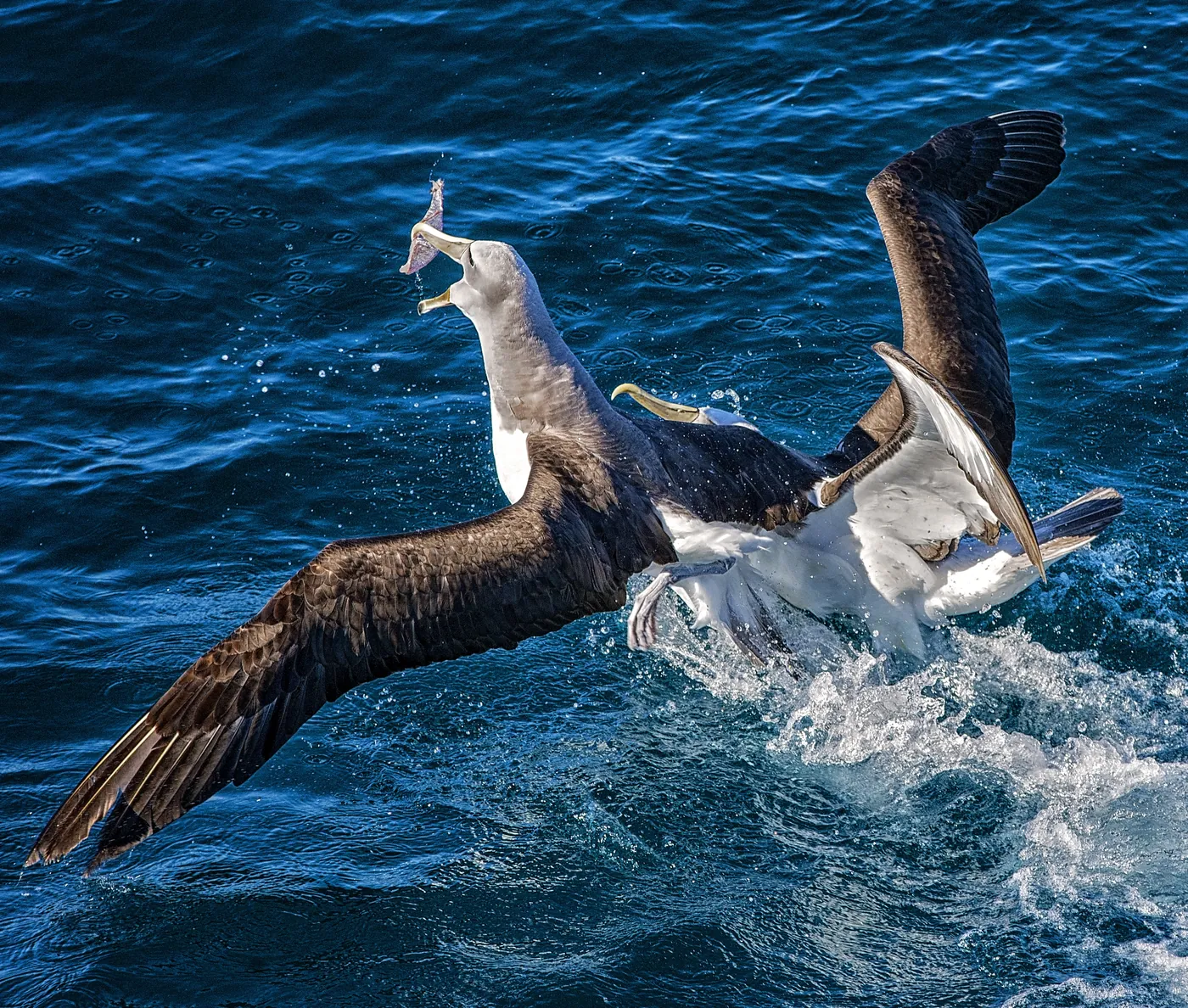
- Royal albatross return. Breeding northern royal albatross return to Pukekura / Taiaroa Head on the Otago Peninsula in September. Pairs build nests in October, and the single egg is laid in the first three weeks of November.
- Gannets nest. At Cape Kidnappers in Hawke's Bay, gannets nest from about September to December. DOC closes the beach track to the Plateau colony from July until the week before Labour Weekend, so early-spring groups go by four-wheel-drive tour.
- Muriwai. The mainland gannet colony west of Auckland is busy from about August to March, with chicks from late spring.
Summer: December to February
- Albatross chicks. At Taiaroa Head, eggs hatch from late January to early February, and both parents guard each chick for about its first month.
- Hector's dolphins in the Catlins. Hector's dolphins play in the surf at Porpoise Bay in summer. Anyone in the water stays at least 50 metres from any dolphin.
- Tiritiri Matangi. The island bird sanctuary near Auckland is at its busiest. The ferry runs Wednesday to Sunday and can fill well ahead from November to April.
- Glacier lake boats. The Tasman Glacier lake boat tour at Aoraki / Mount Cook runs outside winter. Its opening dates depend on the lake ice, so we confirm them at quotation.
Autumn: March to May
- Quieter boats. Autumn is shoulder season for the main wildlife boats. Sea conditions still decide each trip.
- Albatross chicks on the nest. After the guard stage, chicks wait alone on the nest while their parents bring food every few days. Visitors watch from the Royal Albatross Centre's observatory.
- Muriwai winds down. The gannets leave the Muriwai colony by about March.
Winter: June to August
- Humpbacks and southern right whales. A Kaikōura wildlife fact sheet says both pass the coast at times all year, but are best seen from May to July.
- Dark skies. Winter nights are long, so stargazing at Lake Tekapo can start earlier in the evening. The Tasman Glacier lake boat tour is closed in winter.
- Tongariro. From May to October, DOC says the Tongariro Alpine Crossing needs alpine skills and equipment. We sell it guided only, and only when the forecast allows.
What should agents plan for?
- Two chances at the sea. Book whale and dolphin boats on the first morning of a two-night stay, so a cancelled trip can move to the next day.
- Distance rules. DOC asks visitors to stay at least 20 metres from seals and sea lions. In the Bay of Islands, swimming with dolphins has been banned since 2019, so we sell viewing from the boat only.
- Breeding cycles. Royal albatross pairs breed only every two years, so numbers on the nest change from season to season.
How Explera DMC New Zealand can help
We plan wildlife and nature experiences across both islands for travel agents and tour operators. See our South Island Wildlife and Stars itinerary, our Dunedin and Otago Peninsula wildlife briefing and our Kaikōura and Akaroa marine wildlife briefing.
FAQ
When can groups see royal albatross in Otago? The birds return to Taiaroa Head in September, lay in November, and chicks hatch from late January. Chicks leave the nest in September, about eight months later.
When is whale season at Kaikōura? Sperm whales live off Kaikōura all year. Humpbacks and southern right whales are best seen from May to July.
When do gannets nest? At Cape Kidnappers, gannets nest from about September to December. The Muriwai colony is busy from about August to March.
Can groups swim with dolphins in New Zealand? At Kaikōura, Dolphin Encounter runs dusky dolphin swims for swimmers aged 8 and over. In the Bay of Islands, swimming with dolphins has been banned since 2019.
Is wildlife guaranteed? No. Sightings are never guaranteed, and every boat trip depends on the sea.
Sources
- Northern royal albatross / toroa, Royal Albatross Centre, checked 23 October 2026
- Wings Over Whales fact sheet, Kaikōura, checked 23 October 2026
- Dolphin Encounter Kaikōura, checked 22 October 2026
- Cape Kidnappers / Te Kauwae-a-Māui Gannet Reserve, Department of Conservation, checked 22 October 2026
- Tongariro Alpine Crossing, Department of Conservation, checked 23 October 2026
Talk to the trade desk
Explera DMC New Zealand trade desk — b2b@explera.co.nz, WhatsApp +66 93 656 8090, B2B portal b2b.expleradmc.com.


