

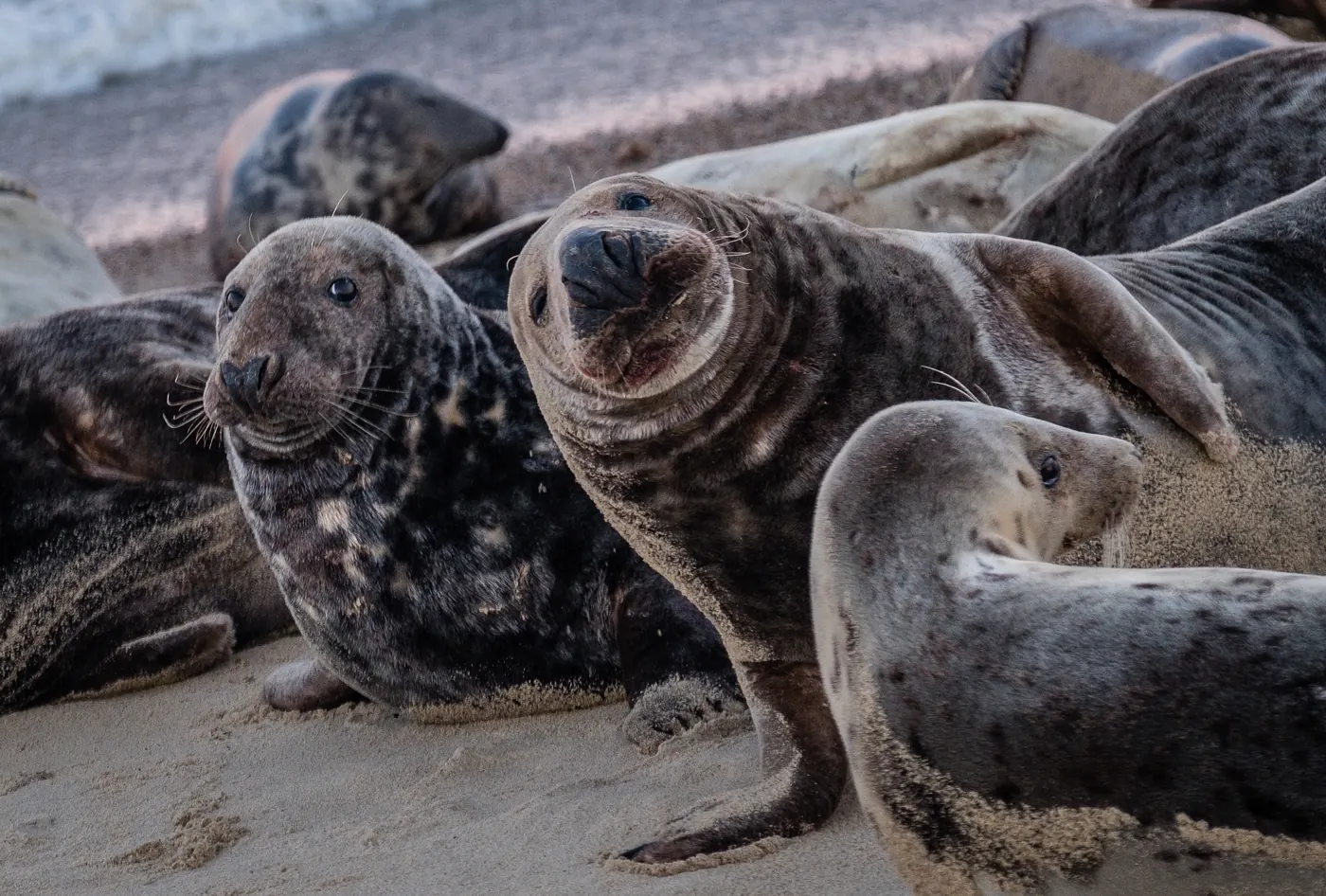
Short answer: In New Zealand, the Department of Conservation (DOC) asks visitors to stay at least 20 metres from seals and sea lions, never to touch or feed them, and to keep dogs and children away. The Dunedin Wildlife Care Code on DOC's website adds at least 50 metres from penguins. All seals are protected under the Marine Mammals Protection Act 1978, and it is an offence to disturb or harass them. Explera DMC New Zealand builds these rules into every coastal wildlife stop we plan.
This guide is for travel agents and tour operators sending groups to New Zealand's coast, and for travellers who will meet wildlife on a beach walk. Fur seals rest on rocks and beaches around the country, and sea lions and penguins come ashore on beaches that people also use, so a little knowledge keeps clients and animals safe.
Where do visitors meet seals, sea lions and penguins?
- Fur seals (kekeno). DOC says kekeno are the most common seals in New Zealand and their population is growing. They spend about half their time on land, so groups see them on rocky shores around the country. Kaikōura Peninsula is a well-known place to see them.
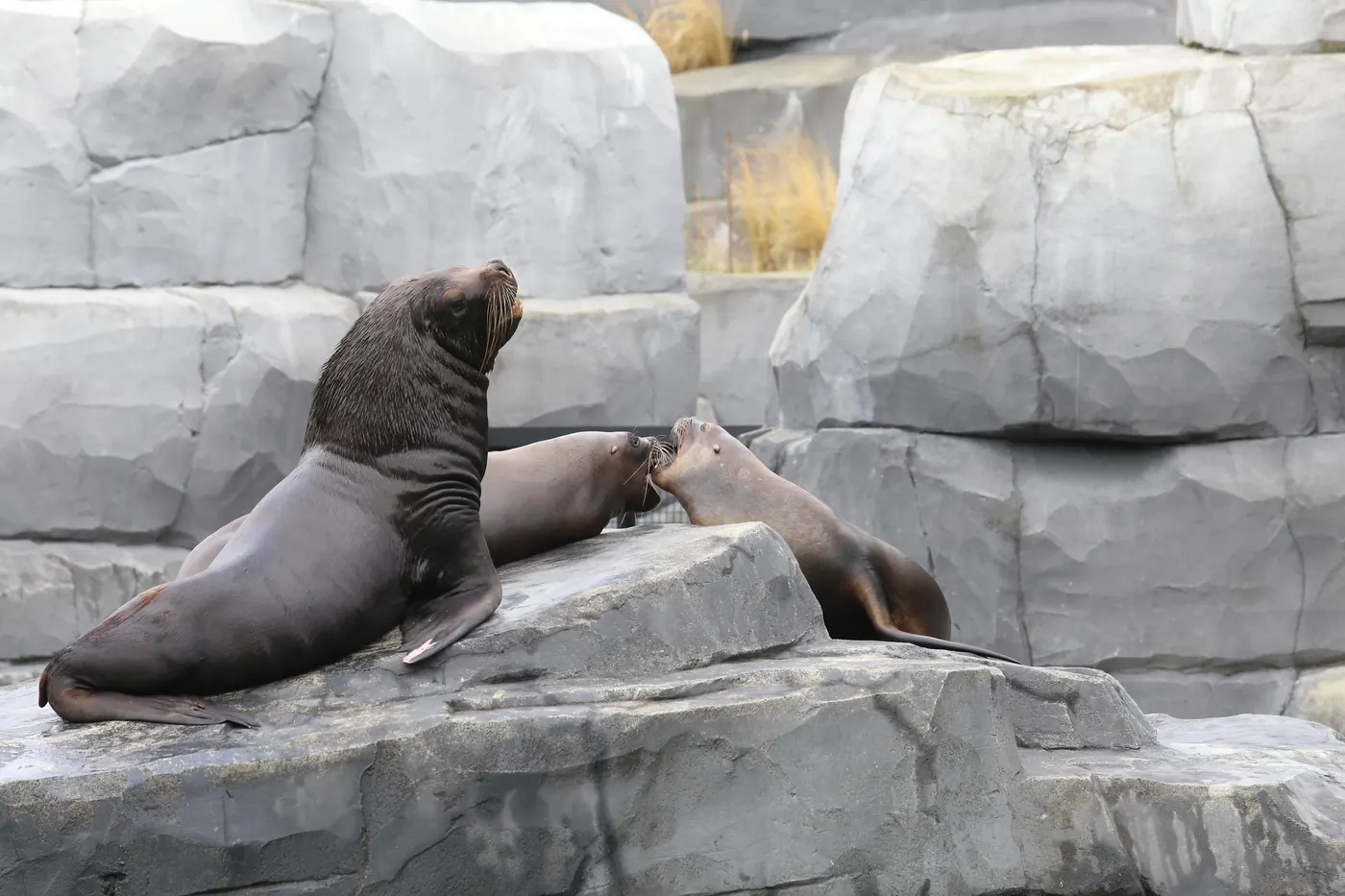
- Sea lions (pakake). New Zealand sea lions are found only in New Zealand and are one of the rarest sea lion species in the world. DOC lists them as Nationally Endangered. Most live in the subantarctic islands, but DOC says Otago and Southland are becoming a hot spot, and a colony near Dunedin is growing.
- Little penguins (kororā). DOC says kororā are the world's smallest penguin, weighing about 1 kg, and that the whole New Zealand coastline is kororā habitat. They are classified as "at risk – declining".
- Places to expect them. Fur seals, sea lions and penguins can all turn up on beaches on the Otago Peninsula, where DOC's own track pages warn visitors to give them space.
What are the rules for watching seals and sea lions?
DOC's guidelines for watching seals are short:
- Stay at least 20 metres away.
- Don't disturb them with loud noises, and don't throw things.
- Keep dogs and children away.
- Don't feed them, and never try to touch a seal.
DOC also explains why. Fur seals are wild animals that can move quickly on land, can bite, and can carry diseases that pass to people and dogs. In January 2026 DOC said mothers may abandon pups if they are disturbed, after reports of visitors getting far too close to seals on Kaikōura Peninsula.
On Otago Peninsula beaches, DOC's track pages say that if you must pass sea lions on the beach, keep as much distance as possible and do not loiter. In May 2026 DOC also reminded drivers on southern coastal roads to watch out for sea lions, especially at night, after a pup was found dead on a road in the Catlins.
What looks worrying but is normal?
DOC lists behaviour that clients often mistake for a seal in trouble. A fur seal may be sneezing, coughing or have weepy eyes, drift in the waves, flap its flippers as if stranded, lie still, or be a pup alone while its mother is at sea. DOC says none of this needs action. Fur seals sometimes travel inland along rivers and turn up in paddocks, roadsides or town streets, which DOC also describes as normal.
Clients should never try to move a seal or push it back into the sea. If a seal is injured, in danger or being harassed by people or dogs, the number to call is DOC's hotline, 0800 DOC HOT (0800 362 468). If anyone sees three or more sick or dead fur seals in one area, DOC asks them to report it to Biosecurity New Zealand on 0800 80 99 66.
How should groups behave around penguins?
- Give them room. The Dunedin Wildlife Care Code asks visitors to stay at least 50 metres from penguins and never to approach them.
- Keep the path to the sea clear. Don't stand between penguins and the water, because they need to come and go to feed their chicks.
- No flash photography.
- Dogs. In October 2026 DOC said reported dog attacks on kororā keep rising, with the most attacks reported in the winter months. DOC asks dog owners to keep dogs on a lead or under control on beaches and in dunes, where kororā may nest.
For a group, the easiest way to see penguins well is a guided viewing at a managed colony, such as the evening viewing at Ōamaru, rather than a search on an open beach.
What else should agents tell clients?
- Drones. The Dunedin Wildlife Care Code says it is an offence to fly a drone within 150 metres of marine mammals.
- Self-drive clients. Remind them to watch for sea lions on coastal roads in Otago and Southland, especially at night.
- Photos. A long lens gives a better photo than walking closer, and it keeps the animal calm.
- Speaking up. DOC suggests politely telling people who are too close to back off, and calling the hotline if they harass an animal.
How Explera DMC New Zealand can help
We are the Kaikōura DMC and the Dunedin DMC for travel agents and tour operators. We plan wildlife and nature experiences, group tours and guides and driver guides who brief clients on these rules before each coastal stop. See also our Dunedin and Otago Peninsula wildlife briefing, our Ōamaru blue penguin briefing and our drone rules briefing.
FAQ
How close can you get to a seal in New Zealand? DOC asks visitors to stay at least 20 metres away from seals and sea lions.
How close can you get to a penguin? The Dunedin Wildlife Care Code on DOC's website asks visitors to stay at least 50 metres from penguins.
Is it illegal to disturb a seal? Yes. It is an offence under the Marine Mammals Protection Act 1978 to disturb, harass, harm, injure or kill a seal.
What should clients do if a seal looks sick? Leave it alone. If it is injured, in danger or being harassed, call 0800 DOC HOT (0800 362 468).
Can clients bring a dog to the beach? Only to beaches where dogs are allowed, and DOC asks owners to keep dogs on a lead or under control.
Sources
- What to do if you find a fur seal, Department of Conservation, checked 6 November 2026
- Seals, Department of Conservation, checked 6 November 2026
- Give Kaikōura seals space this summer, Department of Conservation, 29 January 2026
- Pakake pup struck by vehicle, Department of Conservation, 14 May 2026
- DOC data reveals impact of dogs on kororā, Department of Conservation, 29 October 2026
- Allans Beach Track and Dunedin Wildlife Care Code, Department of Conservation, checked 6 November 2026
Talk to the trade desk
Explera DMC New Zealand trade desk — b2b@explera.co.nz, WhatsApp +66 93 656 8090, B2B portal b2b.expleradmc.com.


