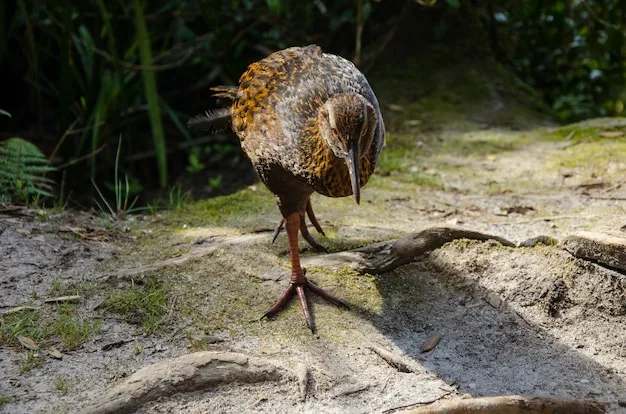

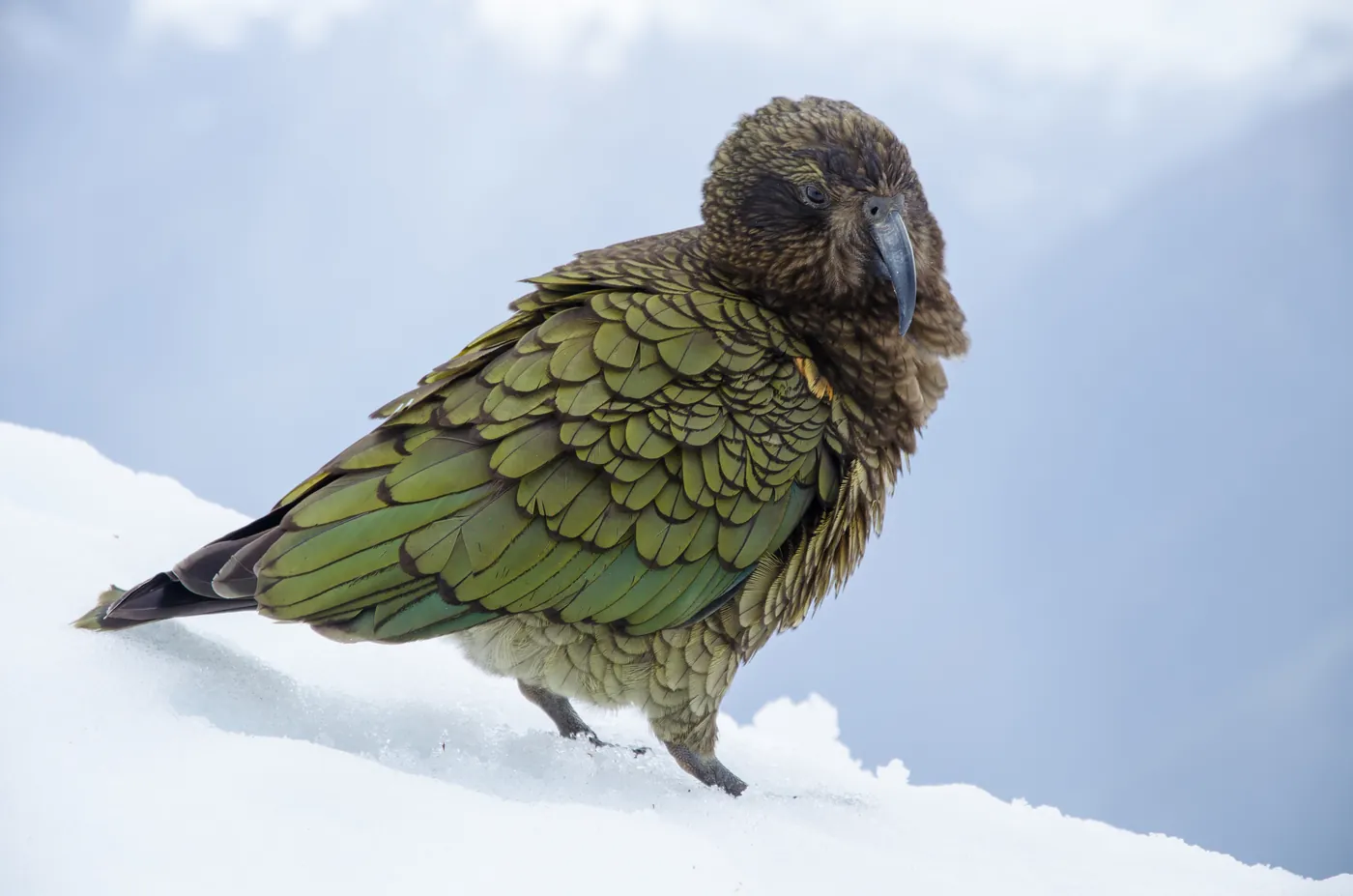
Short answer: A conservation group tour in New Zealand is built around three birds: kiwi in hatcheries and sanctuaries, penguins on the Otago and Canterbury coasts, and the royal albatross at Taiaroa Head. Each has its own season, group size and distance rules. Explera DMC New Zealand plans the route so every visit works with the birds, not against them.
Explera DMC New Zealand is a Tiaki Promise signatory. This briefing is for travel agents and tour operators who sell nature, study or special-interest programmes.
Where do groups learn about kiwi?
- Hatcheries. The National Kiwi Hatchery Aotearoa, now at the Agrodome site in Rotorua, shows kiwi in a nocturnal house and explains incubation and chick-rearing. The guided tour is for ages 5 and over.
- Wildlife centres. The West Coast Wildlife Centre in Franz Josef raises chicks of the rowi, the rarest kiwi, and the Haast tokoeka, with a guided backstage tour.
- Sanctuaries. Zealandia in Wellington is a fenced ecosanctuary where little spotted kiwi live wild. Its night tours take up to 12 people, aged 12 and over, and are guided by torchlight.
Which penguins can groups see?
- Little penguins at Ōamaru. The colony's penguins come ashore after sunset, watched from evening viewing stands.
- White-flippered little penguins near Akaroa. Pohatu Penguins runs small-group evening tours to Flea Bay on Banks Peninsula. The season is confirmed at quotation.
- Hoiho, the yellow-eyed penguin. DOC classes hoiho as Threatened–Nationally Endangered. Groups see them from hides or with a guide on the Otago Peninsula and in the Catlins. At Curio Bay, DOC asks visitors to stay at least 10 metres away and never block a penguin's path.
How does an albatross visit work?
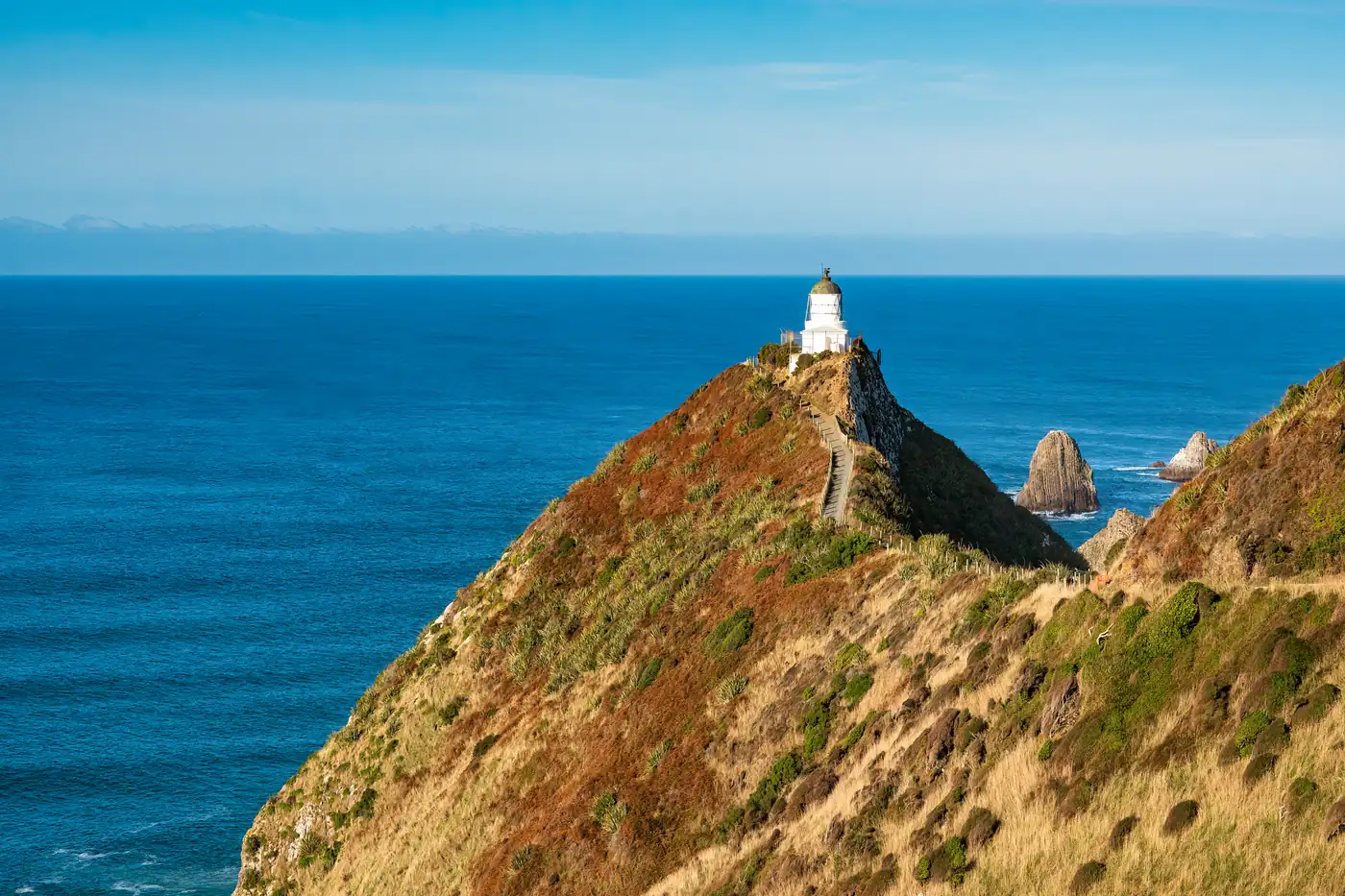
- The colony. Pukekura / Taiaroa Head on the Otago Peninsula is the only mainland breeding colony of northern royal albatross in the world.
- The visit. The Royal Albatross Centre's classic tour runs for 60 minutes, with about 30 minutes in a glassed observatory. Private tours are available on request.
- The cycle. Birds return in September and lay in November. Chicks hatch from late January and leave the nest in September. Each pair breeds only every two years.
What rules do groups follow?
- Distance. DOC asks visitors to stay at least 20 metres from seals and sea lions, and never to come between a seal and the sea.
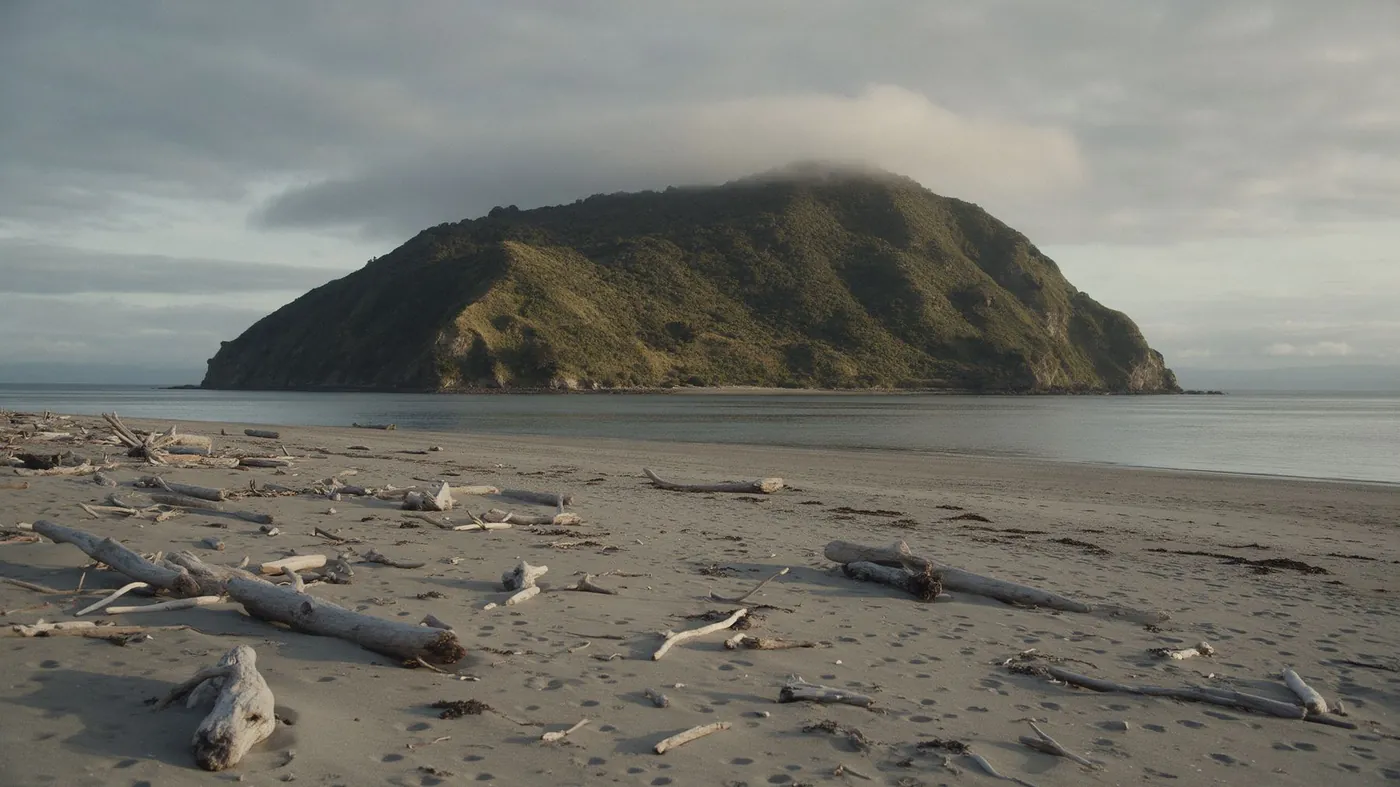
- Biosecurity. Bags are inspected before boats leave for Kāpiti Island. On Tiritiri Matangi, no food is sold and there are no bins, so groups take their rubbish home.
- Night visits. Night tours run in small groups with a guide. On Ulva Island, near Stewart Island, night visits are not allowed.
- Group size. Hides, night tours and penguin tours take small numbers. Larger groups split into several departures.
How should a conservation group tour run?
- North Island start. Begin with Tiritiri Matangi from Auckland, then kiwi in Rotorua and a Zealandia night tour in Wellington.
- South Island finish. Continue with Akaroa, Ōamaru, the Otago Peninsula and the Catlins, then end in Dunedin.
- Timing. September to April covers the busiest months at the albatross colony, from the birds' return to the chick stage.
How Explera DMC New Zealand can help
We plan wildlife and nature experiences and student and educational groups for travel agents and tour operators. See our North Island Nature and Culture itinerary, our wildlife sanctuaries briefing and our Conservation Week 2027 briefing.
For the albatross and penguin days, read our Dunedin destination guide alongside our New Zealand wildlife calendar.
FAQ
Where is the only mainland royal albatross colony? At Pukekura / Taiaroa Head on the Otago Peninsula, near Dunedin.
Can groups see wild kiwi? Sometimes. Zealandia's night tours give the best chance in Wellington, but sightings are never guaranteed.
What is a hoiho? The yellow-eyed penguin. DOC classes it as Threatened–Nationally Endangered.
How close can visitors get to seals? DOC asks visitors to stay at least 20 metres from seals and sea lions.
Is Explera DMC New Zealand a Tiaki Promise signatory? Yes.
Sources
- Northern royal albatross / toroa, Royal Albatross Centre, checked 23 October 2026
- Zealandia by Night, Zealandia Te Māra a Tāne, checked 23 October 2026
- Sharing our coasts with marine mammals, Department of Conservation, checked 22 October 2026
Talk to the trade desk
Explera DMC New Zealand trade desk — b2b@explera.co.nz, WhatsApp +66 93 656 8090, B2B portal b2b.expleradmc.com.