

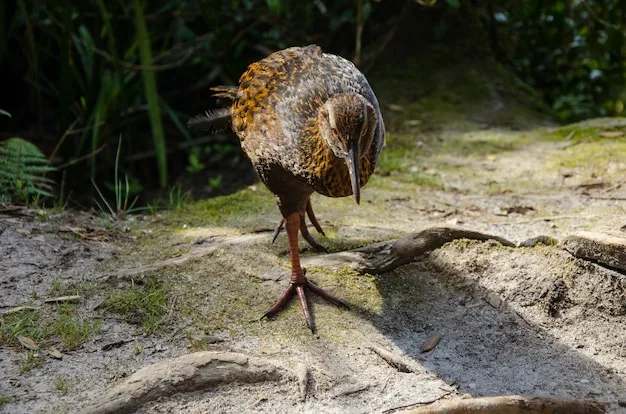
Short answer: Where to see kiwi depends on the route, because groups can see them in most regions of New Zealand. Kiwi houses and hatcheries from Whangārei to Queenstown show them on any day. Wild kiwi need a night out, at Zealandia, on Kāpiti Island or on Stewart Island, and are never guaranteed. Explera DMC New Zealand books the one that fits.
Kiwi are nocturnal, so most viewing takes place in dim nocturnal houses or on guided night walks. This briefing is for travel agents and tour operators planning nature programmes.
Northland and Waikato
- Kiwi North, Whangārei. Northland's only kiwi house, a nocturnal kiwi house open seven days a week.
- Ōtorohanga Kiwi House and Native Bird Park. A conservation charity that has bred rare native species since 1971. It opens daily except Christmas Day. Eyes take 5 to 15 minutes to adjust to the low light in the nocturnal houses, so allow time.
Rotorua
- National Kiwi Hatchery Aotearoa. Now at the Agrodome site, the hatchery shows kiwi in a nocturnal house and explains incubation and chick-rearing. Guided tours go behind the scenes; tour length and age limits are confirmed at quotation.
- Te Puia Kiwi Conservation Centre. A nocturnal enclosure at Te Puia, beside the geothermal valley, where kiwi forage during opening hours. Cameras are not allowed inside.
Wellington and Kāpiti
- Zealandia. Little spotted kiwi live wild in this fenced ecosanctuary close to central Wellington. The Zealandia by Night tour lasts about 2.5 hours, takes up to 12 people aged 12 and over, with torches supplied. Sightings are not guaranteed.
- Kāpiti Island. The island nature reserve is reached only with DOC-approved tour operators. Overnight stays are not allowed in the reserve itself; the only overnight option, with a guided kiwi-spotting walk, is on private land on the island.
Canterbury and the West Coast
- Willowbank Wildlife Reserve, Christchurch. Guests can see kiwi and other native species. It opens daily except Christmas Day.
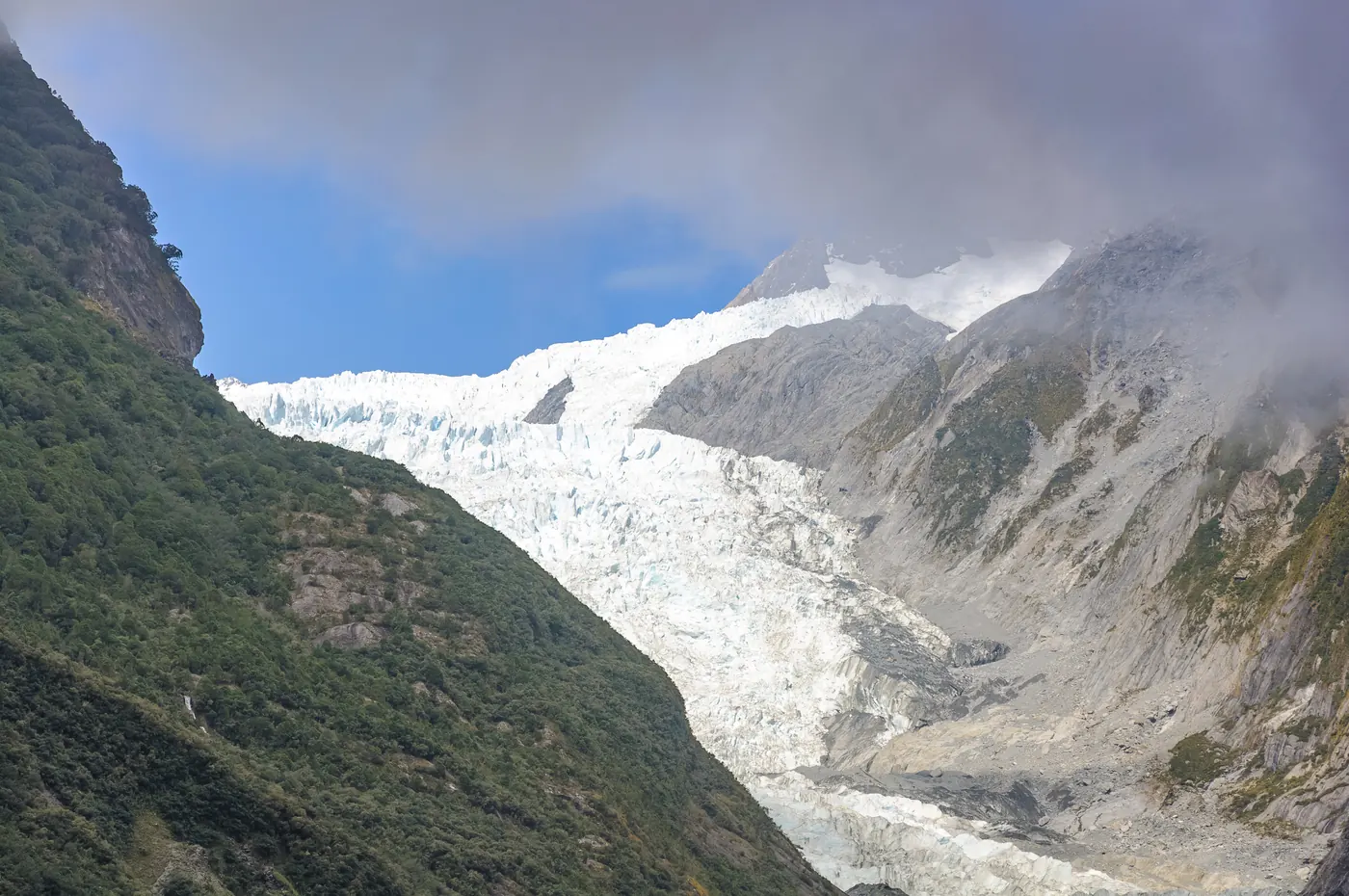
- West Coast Wildlife Centre, Franz Josef. The centre raises chicks of the rowi, the rarest kiwi, and the Haast tokoeka, with a guided backstage tour.
- Ōkārito. The rowi's home, near Franz Josef. Evening wild-kiwi spotting has run in small numbers under DOC concession; current availability is confirmed at quotation.
Queenstown and Stewart Island
- Kiwi Park Queenstown. It runs timed Kiwi Encounter sessions several times a day, led by its wildlife team. Session times are confirmed at quotation.
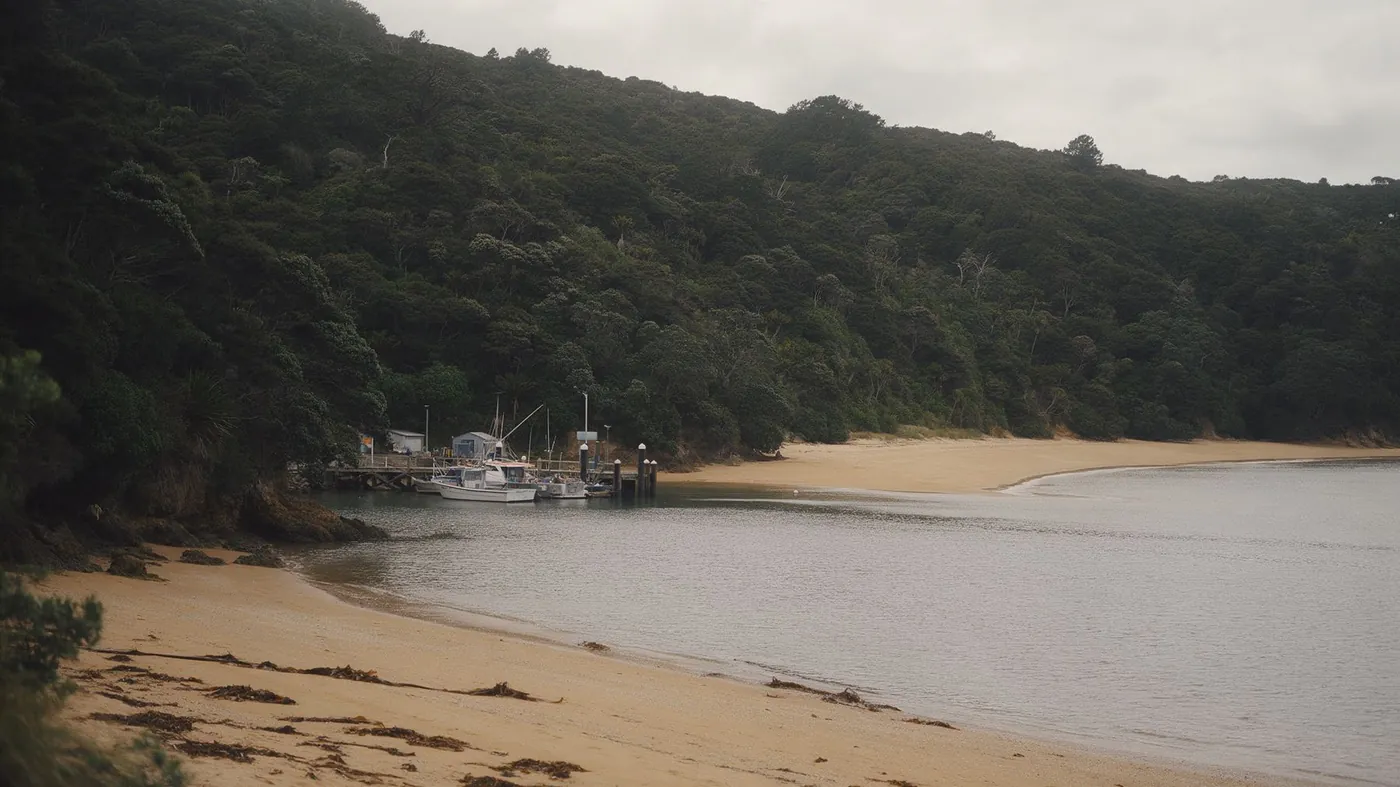
- Stewart Island / Rakiura. Evening wild-kiwi encounters run in small groups, and sightings are not guaranteed. Ulva Island, a pest-free open sanctuary nearby, has kiwi too, but night visits there are not allowed.
What should agents plan for when choosing where to see kiwi?
- Light. Kiwi are sensitive to light, so guides set the torch rules on night tours. Te Puia does not allow cameras in its kiwi enclosure; confirm photo rules with each operator.
- Group size. Night tours and wild-kiwi walks take small numbers, so larger groups split into several departures.
- Age limits. Several night tours set a minimum age. Check them against the passenger list before quoting.
How Explera DMC New Zealand can help
We plan wildlife and nature experiences for travel agents and tour operators. See our Rotorua destination page, our North Island Nature and Culture itinerary, our Stewart Island / Rakiura briefing, our wildlife sanctuaries briefing and our conservation group tour briefing.
FAQ
Where is the best place to see a wild kiwi? Zealandia's night tours, Kāpiti Island overnights and Stewart Island evening walks give groups a chance, but sightings are never guaranteed.
Where can groups see kiwi during the day? In nocturnal houses, such as Kiwi North, the Ōtorohanga Kiwi House, the National Kiwi Hatchery Aotearoa and Te Puia in Rotorua.
Is the National Kiwi Hatchery still at Te Puia? No. It is now at the Agrodome site in Rotorua. Te Puia has its own Kiwi Conservation Centre.
Which is the rarest kiwi? The rowi, which lives at Ōkārito near Franz Josef.
Can visitors take photos of kiwi? Rules vary. Te Puia does not allow cameras in its kiwi enclosure, so we confirm photo rules with each operator.
Sources
- Zealandia by Night, Zealandia Te Māra a Tāne, checked 23 October 2026
- Kiwi North, checked 23 October 2026
- Kiwi Park Queenstown, checked 23 October 2026
- Kāpiti Island Nature Reserve, Department of Conservation, checked 22 October 2026
- Ulva Island / Te Wharawhara, Department of Conservation, checked 22 October 2026
Talk to the trade desk
Explera DMC New Zealand trade desk — b2b@explera.co.nz, WhatsApp +66 93 656 8090, B2B portal b2b.expleradmc.com.


