

Short answer: Predator-free sanctuaries let groups see native birds that are hard to find elsewhere. Zealandia in Wellington is a fenced valley close to the city centre, with day and night tours. Tiritiri Matangi is a Hauraki Gulf island reached by ferry from Auckland. Both need advance booking, and both have strict biosecurity and behaviour rules.
New Zealand's native birds evolved without land mammals, so introduced predators have hit them hard. Sanctuaries are where conservation and tourism meet. They also run to tight rules that agents need to know before promising a visit.
Zealandia, Wellington
- What it is. A fenced ecosanctuary of about 225 hectares, around ten minutes from the central city. A predator-exclusion fence surrounds the valley, which has helped birds such as tūī, kākā and kererū thrive.
- How groups visit. Day visits and guided tours run daily, with night tours that depart around dusk. Night tours run at one guide to 12 guests, with a cap of 36 guests a night, and private tours can be arranged on request. Entry fees apply, and details can change, so confirm at quotation.
- Fits well with. Pair it with the Wellington city stop, which also covers Te Papa and the harbour.
Tiritiri Matangi Island
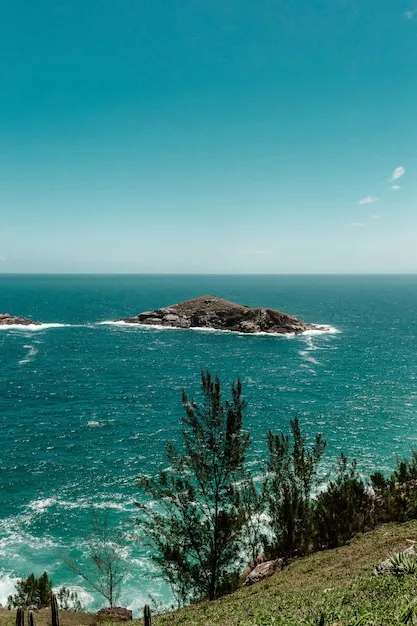
- What it is. An island about 4 km off the Whangaparāoa Peninsula, north of Auckland, managed by the Department of Conservation with a volunteer group, the Supporters of Tiritiri Matangi. Birds include takahē, kōkako, tīeke (saddleback) and hihi (stitchbird), as well as tuatara.
- Getting there. The Explore Group ferry runs Wednesday to Sunday and can fill well ahead from November to April. Weekday and weekend timetables differ, so the time on the island changes.
- Guiding. The Supporters run guided walks from the wharf. DOC says commercial guides need a permit, so confirm who is guiding a private group.
- On the island. No food is for sale, there are no bins and fires and barbecues are not allowed. Visitors must keep to the tracks and check, clean and dry boats and gear.
Planning points
- Book early. Limited ferry seats and guide ratios mean groups cannot turn up on the day.
- Pack a lunch and water. There are no shops on Tiritiri Matangi.
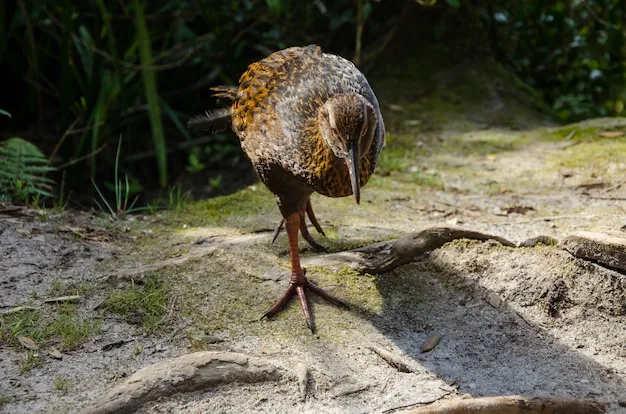
- Keep expectations honest. Wildlife is wild. We never promise a specific bird.
- Fit the visit to the Auckland stay. See our Auckland stopover guide.
How Explera DMC New Zealand can help
We add sanctuary visits to group tours and FIT itineraries, with guides and transfers. See our Wellington and Auckland pages.
FAQ
What is a predator-free sanctuary? A protected area where introduced mammal predators have been removed or excluded, so native wildlife can recover.
How do groups reach Tiritiri Matangi? By ferry from Auckland, which runs Wednesday to Sunday.
Can groups see wildlife at night at Zealandia? Yes, night tours depart around dusk and need advance booking.
Is food available on Tiritiri Matangi? No. Groups should bring their own lunch and take rubbish off the island.
Talk to the trade desk
Explera DMC New Zealand trade desk — b2b@explera.co.nz, WhatsApp +66 93 656 8090, B2B portal b2b.expleradmc.com.


