

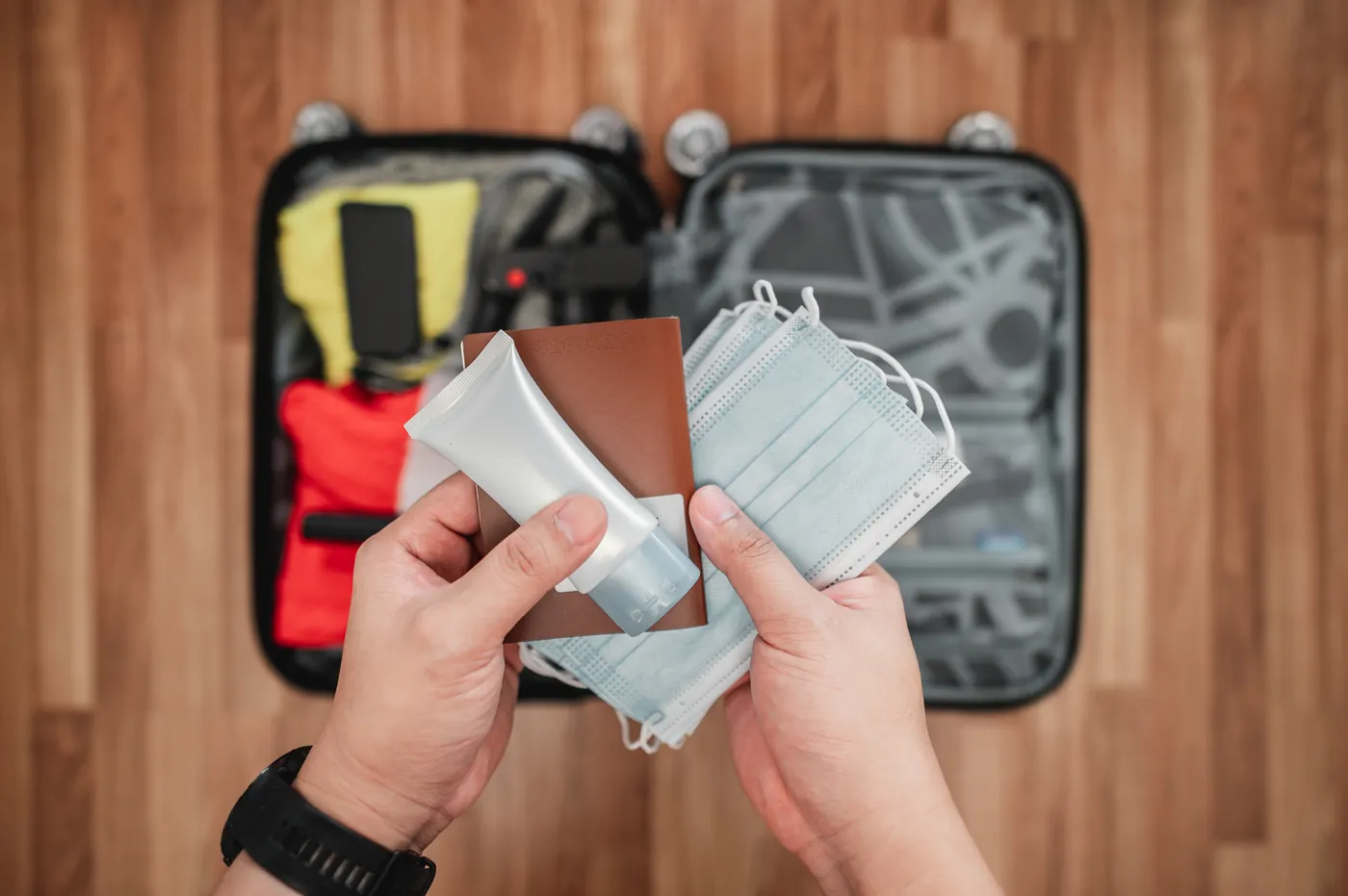
Short answer: Visitors may bring their own prescription medicines into New Zealand if they carry a copy of the prescription or a doctor's letter, keep the medicine in its original packaging and bring no more than three months' supply (six months for oral contraceptives). Controlled drugs are limited to one month's supply and must always be declared on arrival.
Most travellers carry some medicine, and on a group of 30 there will be several people with daily prescriptions. The rules are set by the New Zealand Customs Service and Medsafe, New Zealand's medicines regulator. They are simple, but a client who packs pills loose in a plastic bag, or brings a cold remedy that counts as a controlled drug, can lose time at the border. This guide is for travel agents and tour operators briefing groups, and for travellers who want to pack correctly.
What are the rules for prescription medicines?
For prescription medicines that do not contain a controlled drug, Customs says arriving travellers must:
- Carry proof. A copy of the prescription, or a letter from their doctor confirming they are being treated with the medicine.
- Keep the original packaging. The pharmacy label links the medicine to the prescription.
- Bring no more than three months' supply. The exception is oral contraceptives, where up to six months' supply is allowed.
Medsafe adds that the medicine must be for the traveller or a member of their immediate family, and must not be sold or given to anyone else in New Zealand.
When must medicines be declared?
Arriving travellers complete the New Zealand Traveller Declaration. Customs says a prescription medicine must be declared if the traveller is carrying more than three months' supply, or if it is not prescribed to them or a family member. Medsafe's advice is broader and worth passing on: anything that might be a prescription medicine or a controlled drug should be declared, and if in doubt, declare it.
Herbal and traditional medicines are a separate question. Medsafe does not require a prescription for them, but they are on Customs' list of biosecurity risk items that must be declared, so the Ministry for Primary Industries can inspect them. Our biosecurity guide for arriving groups covers that side of the declaration.
What about controlled drugs?
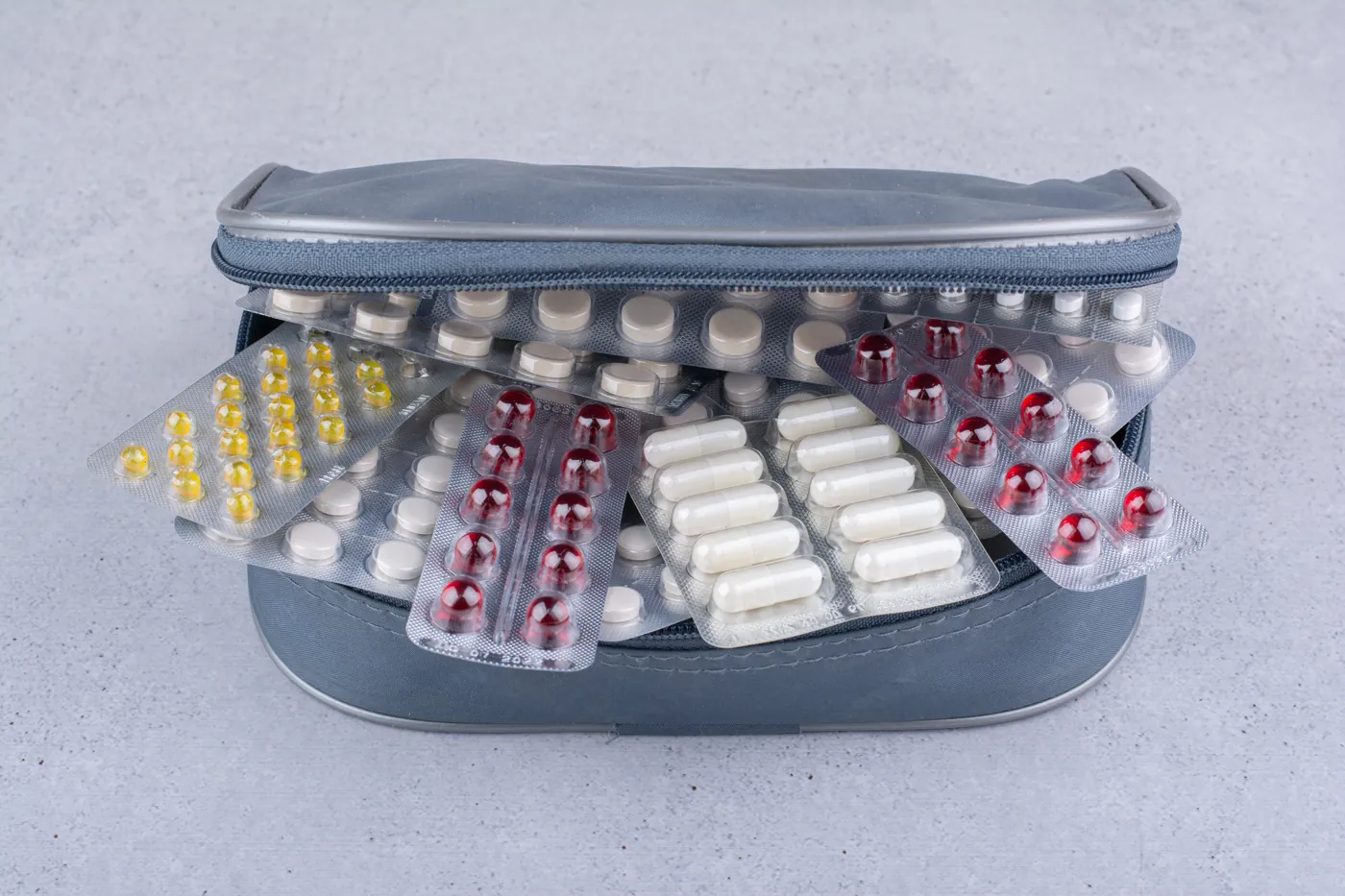
Controlled drugs are medicines with strict legal controls, such as some strong painkillers, some sleeping tablets and some medicines for ADHD. Clients should ask their own doctor or pharmacist whether a medicine is a controlled drug in New Zealand. For controlled drugs, Customs says travellers must:
- Declare them on the New Zealand Traveller Declaration, every time.
- Keep them in their original packaging.
- Bring no more than one month's supply.
- Carry a prescription or a doctor's letter confirming the treatment and the name and strength of the drug.
A group that is in New Zealand for longer than a month is the case to check early. A client on a controlled drug needs a plan from their own doctor before departure.
Why does pseudoephedrine matter?
Customs states that all medicines containing pseudoephedrine are controlled drugs. Some cold and flu tablets sold over the counter in other countries contain it. A traveller bringing one must follow the controlled-drug rules above, keep it in their hand luggage, and may not bring it for friends or family. The simplest advice for a client with a cold remedy is to check the label before packing.
Can medicines be sent on later?
Medsafe allows personal importation by post or courier, but the rules are stricter than for medicines carried in person: for a prescription medicine the traveller needs an original letter or prescription from a New Zealand authorised prescriber, and the parcel may be held by Customs until that is verified. Medsafe also states that the personal importation of medicinal cannabis products, including CBD products, is not allowed. For a group, the practical answer is to pack enough for the whole trip.

What should agents tell their clients?
- Pack medicines in hand luggage, in their original packaging, with the prescription or doctor's letter in the same bag.
- Count the days. Check that the supply covers the trip but stays within the three-month limit, or one month for controlled drugs.
- Check cold and flu remedies for pseudoephedrine before packing.
- Declare when unsure. Declaring costs a few minutes; not declaring a controlled drug is a far bigger problem.
- Have travel insurance. New Zealand's ACC scheme covers visitors for accidental injury but not for illness; our guide to ACC cover and travel insurance explains what is and is not covered.
- Tell the tour leader what matters. Medical needs that affect the programme, such as mobility or refrigerated medicines, belong in the brief so the itinerary can allow for them.
Before the group flies, read our pre-departure client briefing for the other points to cover with clients.
How Explera DMC New Zealand can help
Most groups arrive through Auckland, where we meet them as the Auckland DMC for travel agents, tour operators and travellers who enquire directly. We cannot advise on any individual medicine, which is a question for the client's own doctor and for Customs or Medsafe, but we build the arrival, the transfers and the programme around the needs you tell us about, and our entry requirements guide covers the documents every visitor needs.
FAQ
How much prescription medicine can a visitor bring into New Zealand? Up to three months' supply, or six months for oral contraceptives, with a copy of the prescription or a doctor's letter and the medicine in its original packaging.
Do I need to declare my medicines when arriving in New Zealand? Declare them if you carry more than three months' supply or if they are not prescribed to you or a family member. Controlled drugs must always be declared. If in doubt, declare.
How much of a controlled drug can a traveller bring? No more than one month's supply, declared on arrival, in the original packaging, with a prescription or a doctor's letter giving the name and strength.
Can I bring cold medicine with pseudoephedrine into New Zealand? Only under the controlled-drug rules: declared, in the original packaging, no more than one month's supply, carried in hand luggage and only for yourself.
Sources
- What you can and can't bring, New Zealand Customs Service, checked 20 November 2026
- Personal importation of medicines, Medsafe, checked 20 November 2026
Talk to the trade desk
Explera DMC New Zealand trade desk — b2b@explera.co.nz, WhatsApp +66 93 656 8090, B2B portal b2b.expleradmc.com.


