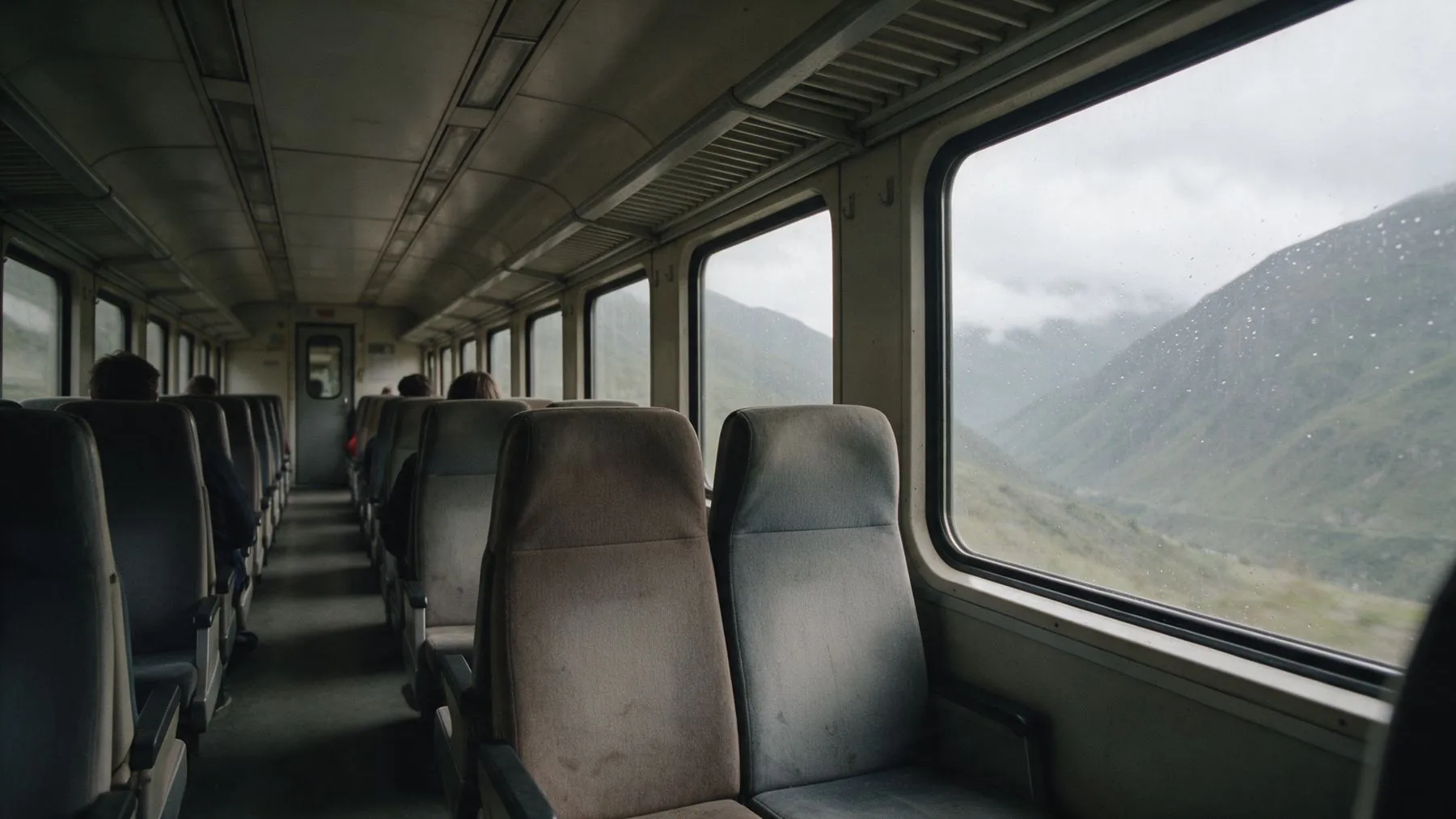


Short answer: New Zealand's eleven Great Walks are multi-day tracks with huts and campsites booked in advance. The Department of Conservation (DOC) opened 2026–27 bookings from 12 May 2026, and the most popular tracks fill within days. International visitors pay a higher fee than New Zealanders on most tracks. For groups, a guided walk with a licensed operator is usually the answer.
The Great Walks are the best-known multi-day walks in the country: the Milford, Routeburn and Kepler tracks in Fiordland, the Abel Tasman Coast Track, the Tongariro Northern Circuit and others. Clients ask for them by name. The booking system behind them is very different from a hotel allotment, and that is where most of the trade questions come from.
How the booking year works
DOC sells Great Walk huts and campsites for a booking year running from 1 July to 30 June. Bookings for overnight stays between 1 July 2026 and 30 June 2027 opened in a staggered release: different tracks opened on different days from 12 May 2026, with the release running through to 21 May. DOC says the phased approach reduces pressure on the booking system on opening day.
What that means for agents:
- Peak-season dates on the famous tracks are largely gone for 2026–27 by the time most clients start planning. Cancellations do appear, but they cannot be promised.
- Plan next season early. If a client wants the Milford Track in 2027–28, the conversation starts before the next May release, with dates, names and walkers' details ready.
- Bookings are per person, per night. Every walker needs a bed in every hut on the itinerary, booked in sequence.
- The Great Walk season matters. Most tracks have a peak season, roughly late spring to autumn, when huts must be booked and are serviced. Outside it, facilities are reduced and alpine sections can be dangerous. Season dates differ by track.
International visitors pay more
DOC charges international visitors a higher hut and campsite fee than New Zealand residents on most Great Walks. The difference is set by DOC per track, and the fee depends on the track and the season, and children's pricing also differs, so we quote the current fee for the client's nationality and dates rather than a single figure. This is a DOC fee and is separate from the International Visitor Conservation and Tourism Levy collected with the NZeTA or visa (see our entry requirements guide).
The eleventh Great Walk is booked differently
The Hump Ridge Track on the south coast of Fiordland opened as the eleventh Great Walk on 25 October 2024. It is a partnership between DOC and the Tuatapere Hump Track Charitable Trust, which runs the track and its lodges, and it is booked through the Trust rather than the DOC system. Its lodges are a higher standard than standard Great Walk huts, which makes it worth suggesting to clients who want a Great Walk without bunk rooms.
Independent or guided: the choice for groups
There are two quite different ways to walk a Great Walk:
- Independent walking. Walkers carry their own food, sleeping bag and cooking gear and stay in DOC huts with shared bunk rooms. It suits fit, experienced trampers who want the classic experience. Bookings are made in the walkers' own names on DOC's terms.
- Guided walking. Licensed operators run guided trips on several tracks, including the Milford and Routeburn, staying in private lodges with meals, linen and hot showers, and with guides who manage safety and pace. Inventory is separate from DOC's huts, it is the realistic option for most groups and incentive programmes, and it removes the gear burden for clients who are not trampers.
Guiding on conservation land requires a DOC concession. A group cannot be led by its own tour leader as a commercial guided walk without one, so for groups we always work through operators who hold the right concession.
When a Great Walk is not the right answer
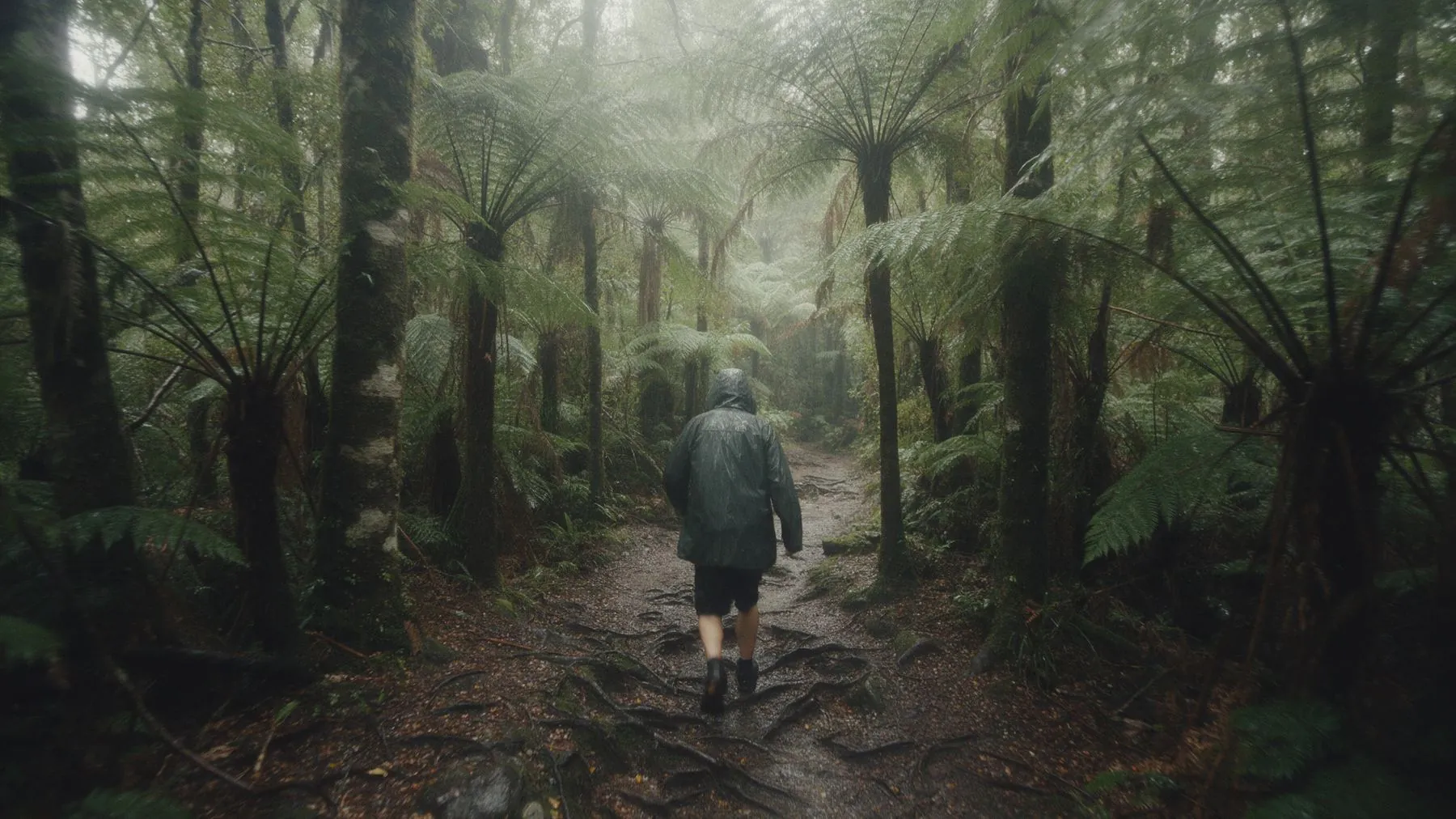
Many clients asking for a Great Walk want the scenery, not three nights in a bunk room. Shorter alternatives often serve them better:
- Day sections of a Great Walk. A guided day on the Routeburn, Kepler or Abel Tasman tracks gives the experience without a hut booking. In the Abel Tasman, water taxis make a walk-and-boat day straightforward.
- Short walks near the main touring routes, such as the Hooker Valley Track at Aoraki / Mount Cook, which suits most fitness levels.
- The Tongariro Alpine Crossing, a demanding single-day alpine walk in the North Island, which shares part of its route with the Tongariro Northern Circuit Great Walk.

What to brief your client on
- Fitness and experience. Great Walks are well formed but long, with full days on foot and alpine weather. Be honest about the client's fitness before booking.
- Weather. Tracks can close for weather, and alpine sections can see snow in any month. DOC or the guiding operator decides on safety; the itinerary needs a spare day where possible.
- Gear. Independent walkers need proper waterproof clothing, boots and a pack. Guided walkers carry less but still need waterproofs and layers.
- Biosecurity. Clean boots and gear before arriving in New Zealand and between tracks.
- Transport at both ends. Most Great Walks start and finish in different places, so road-end transfers and luggage forwarding need booking.
How Explera DMC New Zealand can help
Our Great Walks and guided walking team advises on independent and guided options, arranges guided walks through concession holders, and books the transfers, luggage and hotels either side. For the timing of the wider trip, see our guide to the best time to sell New Zealand.
FAQ
When did bookings for the 2026–27 Great Walks season open? DOC opened bookings in a staggered release from 12 May 2026, running to 21 May, for overnight stays between 1 July 2026 and 30 June 2027.
Do international visitors pay more on the Great Walks? Yes, on most Great Walks DOC charges international visitors a higher fee than New Zealand residents. We quote the current fee for the client's track and dates.
Can a tour group walk a Great Walk with its own leader? Guiding on conservation land requires a DOC concession. Groups normally walk with a licensed guiding operator, which also provides lodges, meals and safety management.
How is the Hump Ridge Track booked? Through the Tuatapere Hump Track Charitable Trust, which runs the track and its lodges in partnership with DOC, rather than through the DOC booking system.
Talk to the trade desk
Explera DMC New Zealand trade desk — b2b@explera.co.nz, WhatsApp +66 93 656 8090, B2B portal b2b.expleradmc.com.