

Short answer: For group wine programmes in New Zealand, four regions do most of the work: Marlborough for Sauvignon Blanc, Hawke's Bay for reds and a warm coastal base, Central Otago for Pinot Noir beside Queenstown, and Waiheke Island as a half day from Auckland. Every tasting day runs on a coach with a driver, and cellar doors are pre-booked.
Wine is one of the easiest ways to give a New Zealand programme a sense of place, and one of the easiest to get wrong for a group. Cellar doors are often small, family-run and spread along rural roads, and the people who taste must never be the people who drive. This guide sets out what each region suits, when to go, and how to brief the client so the day runs as planned.
Why wine sells New Zealand
New Zealand wine is grown in cool, maritime and alpine climates, and the regions sit inside the landscapes clients already want to see. A wine day is rarely only about wine: it is a drive through vineyards below the mountains, a long lunch, and a conversation with the people who make it.
It also suits a wide range of clients. Incentive groups use it as a reward day. Special-interest groups (wine clubs, food media, trade buyers) want depth: a winemaker, a barrel room, a vertical tasting. Leisure FIT clients want one good day built into a longer route. Ask early which of the three you are selling, because the cellar doors you choose depend on it.
The four regions most programmes use
Marlborough
The top of the South Island, around Blenheim, is New Zealand's largest wine region and the home of its Sauvignon Blanc. The wineries are close together on flat valley floors, which makes Marlborough the easiest region to run with a full coach. It pairs naturally with the Marlborough Sounds and with the Cook Strait ferry from Wellington to Picton, so it slots into almost any North-to-South routing. See our Marlborough destination page.
Hawke's Bay
On the east coast of the North Island, around Napier and Hastings, Hawke's Bay is known for red wines and for a warm, dry climate. Napier's Art Deco centre and the food scene around Havelock North give a group more than tasting to fill a day. It works well as a two-night stop between Rotorua or Taupō and Wellington.
Central Otago
Inland from Queenstown, around Cromwell, Bannockburn and the Gibbston Valley, Central Otago grows Pinot Noir in a dry, mountain landscape. It is the obvious add-on to a Queenstown stay and to incentive programmes based there. Roads are longer and the cellar doors more scattered than in Marlborough, so plan fewer stops and allow more drive time.
Waiheke Island
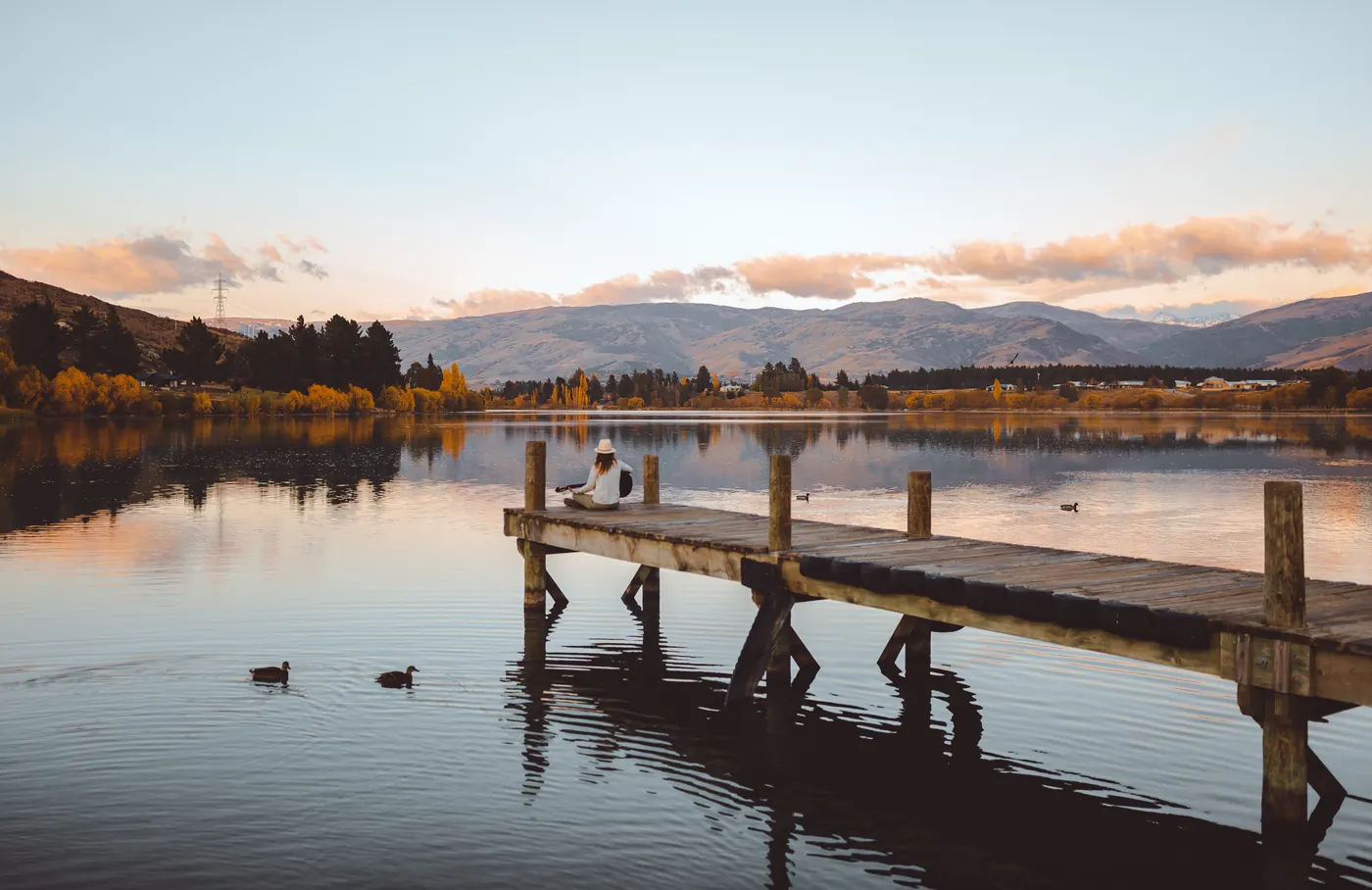
Waiheke sits in the Hauraki Gulf, a ferry ride from downtown Auckland. It is the easiest wine experience to add to an Auckland stay: a half or full day, with vineyard lunches and sea views. Ferry capacity and island coach availability need confirming early for larger groups, especially on summer weekends.
Harvest timing and the best months
The southern-hemisphere harvest falls in late summer and autumn, usually from about February to April depending on the region and the grape. Vintage 2026 was reported as one of the earliest in years in Marlborough, with growers describing a dry, even season and picking that started for sparkling wine in February. We mention it because it shows the window moves: do not promise a client "harvest in action" on a fixed date.
- Late summer to autumn (February to April): vineyards are busy and full of colour. Wineries are working hard, so winemaker time for groups can be limited.
- Autumn (April and May): vine leaves turn gold in Central Otago and Marlborough, and the pace eases. A good month for special-interest groups who want time with the makers.
- Spring and early summer (October to December): green vines, long days, and new-release wines. Good for incentive and leisure groups.
- Winter (June to August): quieter, and some smaller cellar doors shorten their hours. Central Otago pairs well with a ski programme.
For seasonal planning across the whole country, see our guide to the best time to sell New Zealand month by month.
How to run a wine day for a group

- Always a coach and a professional driver. No client in a tasting group should drive. For self-drive clients, build the wine day as a guided day out and pick the car up again the next morning.
- Pre-book every cellar door. Many cellar doors are small and take groups only by appointment. Some cannot seat a full coach at once; we split larger groups between two wineries and swap at lunch.
- Three or four stops, not six. Tasting fatigue sets in quickly, and drive times between stops add up, especially in Central Otago.
- Build the lunch in. A long vineyard lunch is often the highlight. Confirm menus and dietary needs in advance.
- Water, shade and sun protection. New Zealand's sun is strong even on cool days. Brief clients to bring sunscreen and a hat.
- Shipping and duty-free limits. Clients often want to buy wine. Remind them to check their home country's import allowances, and that the winery may be able to arrange shipping.
What to brief your client on
- Wine days are paced for tasting, not drinking. Spit buckets are normal and nobody minds if they are used.
- Smaller cellar doors may not open every day. The programme is built around confirmed appointments, so changes on the day may not be possible.
- Harvest is a working time. The vineyard may be noisy and busy, and that is part of the experience.
- Clients under the legal drinking age, or who do not drink, can still enjoy the day; ask wineries about non-alcoholic options and food pairings.
How Explera DMC New Zealand can help
Our food and wine tours are built around confirmed cellar-door appointments, with coach and private transfers and local guides. For incentive groups, we combine a wine day with the rest of a MICE programme in Queenstown or Auckland. Tell us the group size, the interest level and the dates, and we will suggest the right region and wineries.
FAQ
Which New Zealand wine region is easiest for a large coach group? Marlborough. Its wineries sit close together on flat valley floors around Blenheim, so a full coach can visit several cellar doors in one day with short drives between them.
When is the grape harvest in New Zealand? Usually from about February to April, depending on the region and the grape. Vintage 2026 started early in Marlborough, which shows the dates move from year to year.
Can clients drive themselves on a wine day? We do not recommend it. Every wine day we plan runs on a coach or private vehicle with a professional driver, so no one who tastes has to drive.
Is Waiheke Island a day trip from Auckland? Yes. Waiheke is a ferry ride from downtown Auckland and works as a half or full day. Ferry and island coach capacity should be confirmed early for groups.
Talk to the trade desk
Explera DMC New Zealand trade desk — b2b@explera.co.nz, WhatsApp +66 93 656 8090, B2B portal b2b.expleradmc.com.