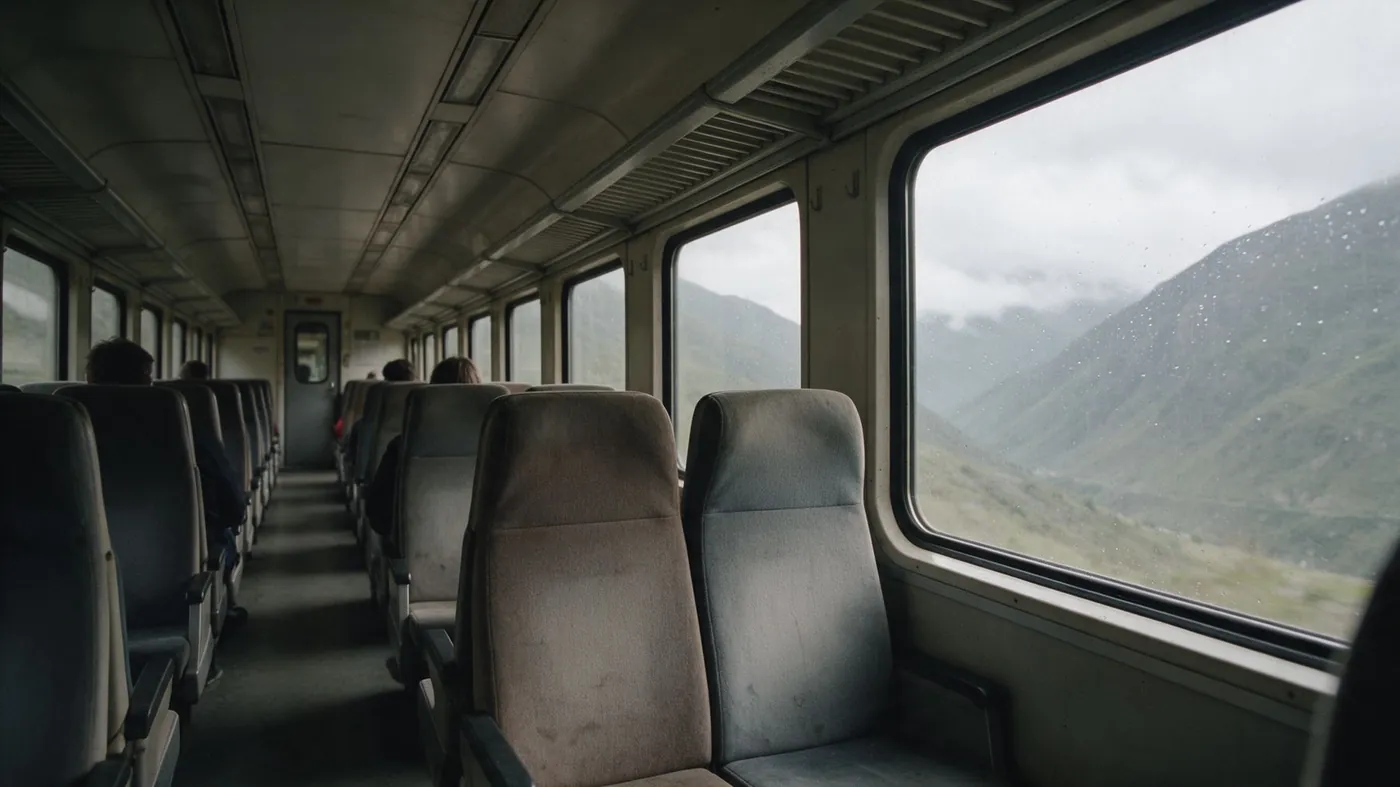


Short answer: The Aoraki Mackenzie International Dark Sky Reserve covers the Mackenzie Basin around Lake Tekapo (Takapō), Twizel and Aoraki/Mount Cook. It holds gold-tier status, so stargazing there is among the best in the world, but it depends on clear skies and the moon. Sell it as a highlight with an overnight stay, never as a guaranteed show.
The night sky over the Mackenzie Basin is one of the South Island's quiet selling points. Clients who have never seen the Milky Way clearly, or the southern sky at all, often name it as the moment they remember. It also gives a reason to stay a night in the high country rather than driving straight through between Christchurch and Queenstown. This guide covers what the reserve is, when to go, and how to brief clients so expectations match the sky.
What the dark sky reserve is
The Aoraki Mackenzie International Dark Sky Reserve was recognised in 2012 and holds gold-tier status, the highest grade for sky quality. Local lighting rules, set by the Mackenzie District Council, limit outdoor light so the sky stays dark, and the community treats that as part of the area's identity.
For clients from large cities, the difference is simple: on a clear, moonless night the Milky Way stretches across the whole sky, and the Magellanic Clouds and the Southern Cross are easy to find with a guide.
The reserve includes:
- Lake Tekapo (Takapō): the main base for stargazing, with the University of Canterbury's Mount John Observatory on the hill above the lake. Guided tours run at night, with telescopes and astronomy guides.
- Twizel and Lake Pukaki: a smaller base with lodges and open views towards Aoraki/Mount Cook.
- Aoraki/Mount Cook village: inside the national park, with dark skies above the mountains and walking tracks by day.
See our destination pages for Lake Tekapo and Aoraki/Mount Cook.
Seasons, the moon and the weather
Three things decide whether a stargazing night works: the moon, the cloud and the length of the night.
- The moon. A full or near-full moon washes out the fainter stars and the Milky Way. If stargazing is a key reason for the trip, plan the overnight around the new moon and the days either side. We check moon phases when we build the programme.
- The cloud. The Mackenzie Basin is dry and clear more often than the coast, but cloud can roll in at any time of year. Nothing guarantees a clear sky.
- Summer nights are short. Around December and January it does not get properly dark until late in the evening, so tours start late. Winter nights (June to August) are long and often very clear, but cold, sometimes well below freezing.
- Autumn and spring are a good middle ground: reasonable temperatures and dark skies at a sensible hour.

Building stargazing into a programme
The Mackenzie Basin sits on the main road between Christchurch and Queenstown, so stargazing fits naturally into a South Island route. Our advice:
- Stay the night. A stargazing tour ends late. Driving on to Queenstown afterwards is not safe or comfortable. One night at Lake Tekapo or Twizel, ideally two, gives a second chance if the first night is cloudy.
- Two nights for special-interest groups. Photography groups and astronomy clubs should have two nights at least, to allow for weather.
- Pair the day with the mountains. By day, groups can walk the Hooker Valley Track at Aoraki/Mount Cook, take a scenic flight (weather permitting), or simply enjoy the lakes. This keeps the stop useful even if the night is cloudy.
- Book tours early for peak dates. Night tours have limited places, and new-moon dates in the shoulder months fill first.
- Hotel capacity is limited. The towns are small. Large groups may need to split between properties, or use Twizel as well as Tekapo.
For more on routing the South Island, see our notes on Christchurch's international summer and South Island routing.
What to brief your client on
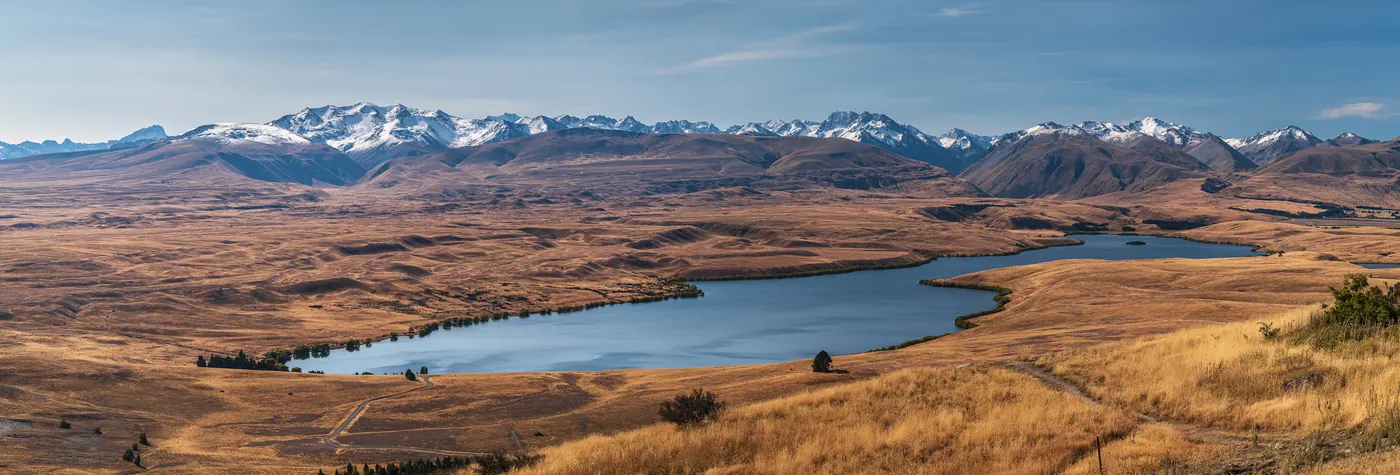
- It is weather dependent. Night tours may be cancelled or changed if the sky is cloudy. Each operator has its own cancellation and refund terms; we confirm them at quotation so you can explain them to the client.
- Dress for cold. Even in summer, the high country is cold at night. Clients need warm layers, a hat and gloves. Some tours supply jackets; check before travel.
- Keep lights low. Bright torches and phone screens spoil the view for everyone. Guides will explain how to use red light.
- Photography needs patience. Phones can capture the night sky only in some conditions. Serious photographers need a tripod and a camera that allows long exposures.
- Respect the reserve. Outdoor lighting rules apply to the whole district. Clients staying in lodges should keep curtains closed at night if asked.
How Explera DMC New Zealand can help
We plan South Island programmes for FIT and tailor-made clients and groups, with overnight stays placed around the moon calendar where stargazing is the point of the trip. Our hotels and lodges team manages the limited room stock in Tekapo and Twizel, and our guides and driver-guides handle the late finishes safely. Send us your dates and group size, and we will check the moon before we quote.
FAQ
Where is the Aoraki Mackenzie International Dark Sky Reserve? In the Mackenzie Basin of the South Island, around Lake Tekapo, Twizel and Aoraki/Mount Cook. It sits on the main road between Christchurch and Queenstown.
What is the best time of year for stargazing at Lake Tekapo? Any season can work. Winter has the longest, clearest nights but is very cold; summer nights are short and dark only late. Autumn and spring are a good balance. The moon matters more than the month.
Is a clear sky guaranteed? No. The area is often clear, but cloud can come in at any time. We recommend an overnight stay, and two nights for special-interest groups, to allow for weather.
Do clients need to stay overnight? Yes. Stargazing tours finish late, so we always place an overnight stay at Lake Tekapo or Twizel rather than driving on afterwards.
Talk to the trade desk
Explera DMC New Zealand trade desk — b2b@explera.co.nz, WhatsApp +66 93 656 8090, B2B portal b2b.expleradmc.com.