

New Zealand in winter, for the trade.
Ski fields, Matariki, whales and winter roads, June to August.
What can groups do in New Zealand in winter?
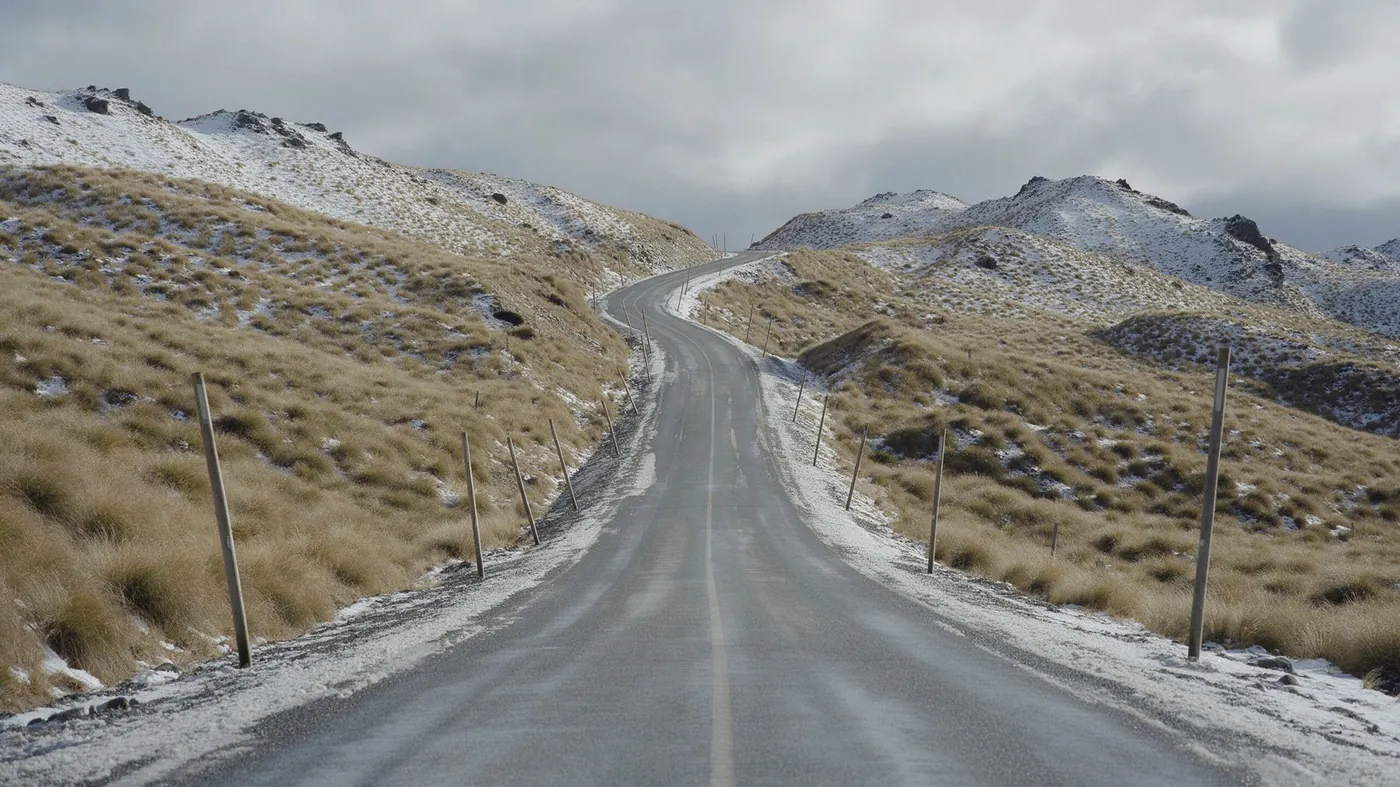
Winter, June to August, offers snow at Queenstown, Wānaka, Canterbury and Mt Ruapehu, Matariki as a public holiday, winter whales and long dark nights. Ski openings move with snowfall and alpine roads can close, so keep flexible days.
Last updated: 9 October 2026
Why this theme sells.
Winter is the quieter season for most of the country, so it suits city, cultural and wildlife programmes as well as snow. It is also when humpback whales pass Kaikōura and the aurora australis is most often reported.
Snow depends on the year. In 2026 several fields opened later than planned after a mild June, so every snow programme needs a fallback.
Places and experiences to know.
Queenstown and Wānaka fields
Coronet Peak, The Remarkables, Cardrona and Treble Cone are the main fields. In 2026 Coronet Peak opened early on snowmaking with limited terrain, Cardrona confirmed 26 June after two delays and Treble Cone opened in early July, so planned opening dates are a guide only.
Destination guideMt Hutt, Canterbury
Mt Hutt, near Methven in the Canterbury high country, was planned to open on 12 June in 2026 before its opening slipped while it waited for snow.
Destination guideMt Ruapehu
The North Island’s Whakapapa and Tūroa fields are run by separate operators under DOC concessions, and lift passes are not interchangeable. Tūroa’s full opening in 2026 was set for 4 July.
Destination guideMatariki
Matariki is a public holiday on Friday 10 July 2026 and Friday 25 June 2027. Dawn hautapu ceremonies and other events are held in many places, including Rotorua. See the Māori culture page for how to brief clients.
Read moreWinter wildlife and the southern lights
Humpback whales pass Kaikōura in winter, with sources giving June to August, and sperm whales stay all year. The aurora australis is most often reported on clear, dark winter nights in the far south, but it cannot be forecast. See the stargazing page.
Read moreTongariro in winter
DOC treats the Tongariro Alpine Crossing as an advanced trip in winter that needs alpine skills, and advises going with a guide or choosing another track. Winter daylight is between 9 and 11 hours and the walk takes about 9.
Destination guideWinter roads
NZTA advises carrying chains on alpine passes and in the south of the South Island. The Milford Road, Lindis Pass, Crown Range and Desert Road have all closed or needed chains in past winters, so check road status on the day.
Destination guideHot pools
Geothermal and thermal pools suit cold days and wet-weather gaps. See our hot pools and wellness service.
Read moreWhen it works.
Winter runs from June to August. Ski fields have opened from around mid-June in recent seasons, and the planned 2026 closing dates for the Queenstown and Wānaka fields ranged from 27 September to 11 October. The Coastal Pacific train does not run in winter.
See the full seasonal calendar for lead times and school holidays.
What to check first.
- Treat ski, flight and road days as weather-led: keep a spare day and a non-snow alternative in every winter programme.
- Daylight is short in winter, so plan sightseeing early and avoid late transfers on alpine roads.
- Carry chains where advised, confirm rental-vehicle rules, and check NZTA road status before each alpine leg.
Related services and programmes.
Services: Ski & snow · Coach & private transfers · Hot pools & wellness.
Sample programmes: Queenstown and Wānaka Ski. See also all itineraries and fixed departures.
What agents ask about this theme.
When does the New Zealand ski season start?
Planned opening dates are around mid-June, but they move with snow. In 2026 Cardrona confirmed 26 June after two delays and Treble Cone opened in early July.
When is Matariki?
Matariki is a public holiday on Friday 10 July in 2026 and Friday 25 June in 2027. Events take place around it, so confirm local programmes at quotation.
Do groups need snow chains in winter?
NZTA advises carrying chains on alpine passes and in the south of the South Island. Check road status on the day and confirm any rental-vehicle rules.
Explera DMC New Zealand is the B2B New Zealand DMC for winter programmes. We contract the accommodation, transfers, licensed guides and experiences at net rates, so you sell winter programmes with one accountable ground partner and your own branding. Send the brief to our New Zealand DMC desk for a net programme quotation.
Start quoting New Zealand at net rates this week.
Register on the Explera trade platform for net rates, white-label documents and one accountable desk from first quote to final transfer. Registration is free and approval is fast.