

Short answer: In New Zealand, SunSmart (run by the Cancer Society) says UV radiation is damaging to skin and eyes from September to April, especially between 10am and 4pm, and all year round in the mountains, on the water and around snow and ice. When the UV index is 3 or higher, protection is needed. Clients should use all five SunSmart steps: clothing, shade, sunscreen of at least SPF 30, a wide-brimmed hat and wraparound sunglasses. Explera DMC New Zealand builds shade, timing and reminders into outdoor group days.
This guide is for travel agents and tour operators sending groups to New Zealand between spring and autumn, and for travellers planning a summer trip. Most guests arrive expecting cool, changeable weather, and that is often what they get. The sun is the part they underestimate, because you cannot see or feel UV radiation.
When is the sun strongest in New Zealand?
- September to April. SunSmart says UV radiation in New Zealand is generally damaging from September to April, the daylight saving months.
- 10am to 4pm. These are the hours when UV levels are higher, so they are the hours to plan shade and breaks around.
- All year in some places. SunSmart asks people to protect skin and eyes all year round when they are in the mountains, on the water, or around snow and ice.
- Summer peaks. SunSmart says the UV index regularly reaches over 12 during New Zealand summers, while in much of winter it is below 3.
What does the UV index mean?
The UV index (UVI) measures the strength of the sun's UV radiation. SunSmart explains the bands like this:
- 1 to 2 (low). Generally safe to be outdoors without protection, unless you spend a long time outside.
- 3 to 5 (moderate), 6 to 7 (high), 8 to 10 (very high) and 11+ (extreme). Sun protection is needed.
SunSmart says unprotected fair skin can be damaged in less than 15 minutes when the UVI is 12, and in about 60 minutes when it is 3. Everyone is at risk regardless of skin type and colour, so the briefing is the same for every client.
The free UVNZ app, which SunSmart recommends, uses data from NIWA to forecast the UVI for locations around the country and show the times of day when protection is needed. From September to April, SunSmart's Sun Protection Alert also appears on the MetService website and app, and for ski fields SunSmart points to NIWA's UV forecasts.
What are the five SunSmart steps?
- Slip on clothing. Cover as much skin as possible, such as a top with a collar or long sleeves. Tighter weaves and darker colours protect better.
- Slip into shade. Use trees, buildings, gazebos or shade sails.
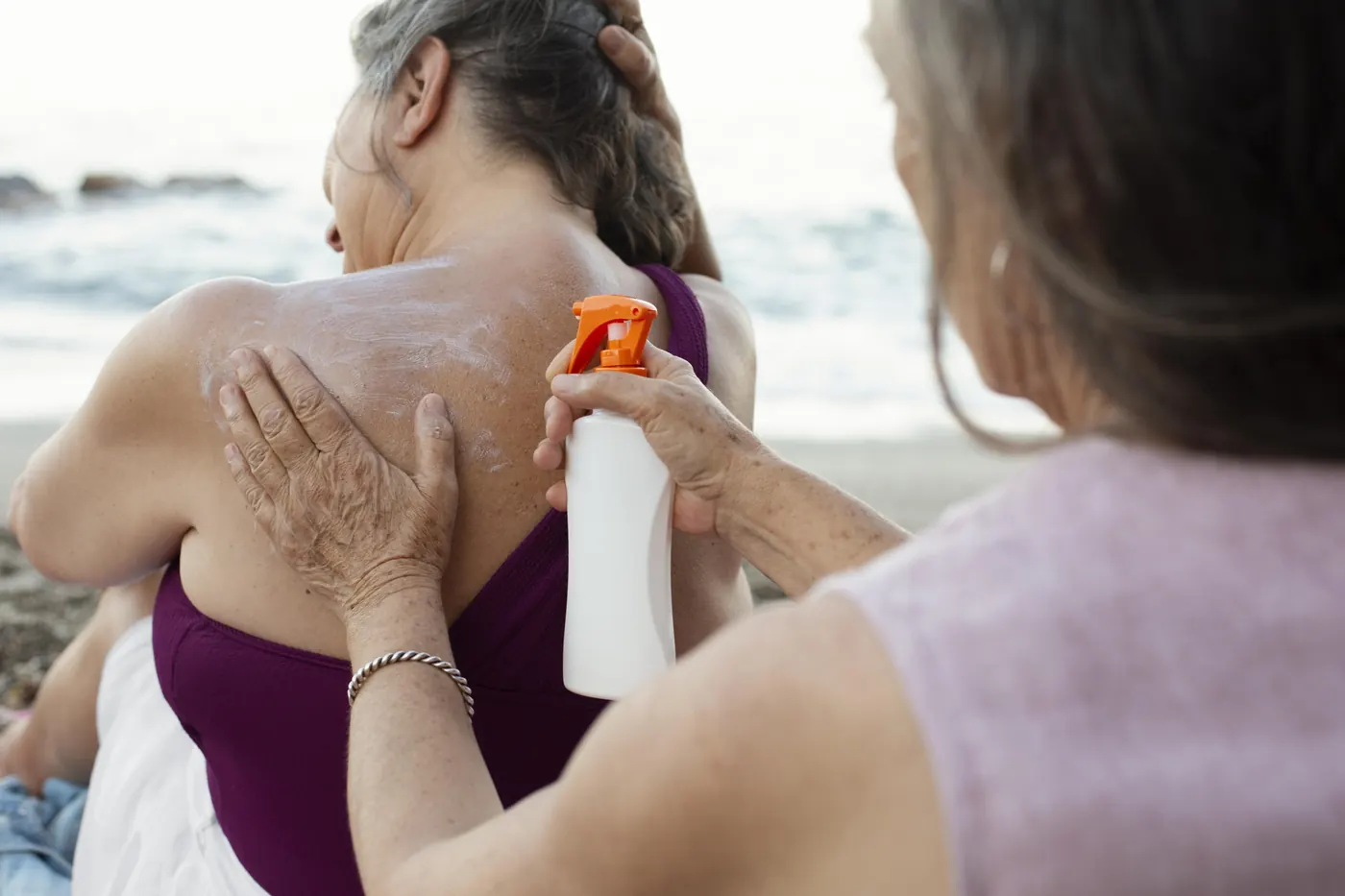
- Slop on sunscreen. Use a broad-spectrum, water-resistant sunscreen of at least SPF 30. Apply it 20 minutes before going outside and reapply every two hours, or after swimming or sweating.
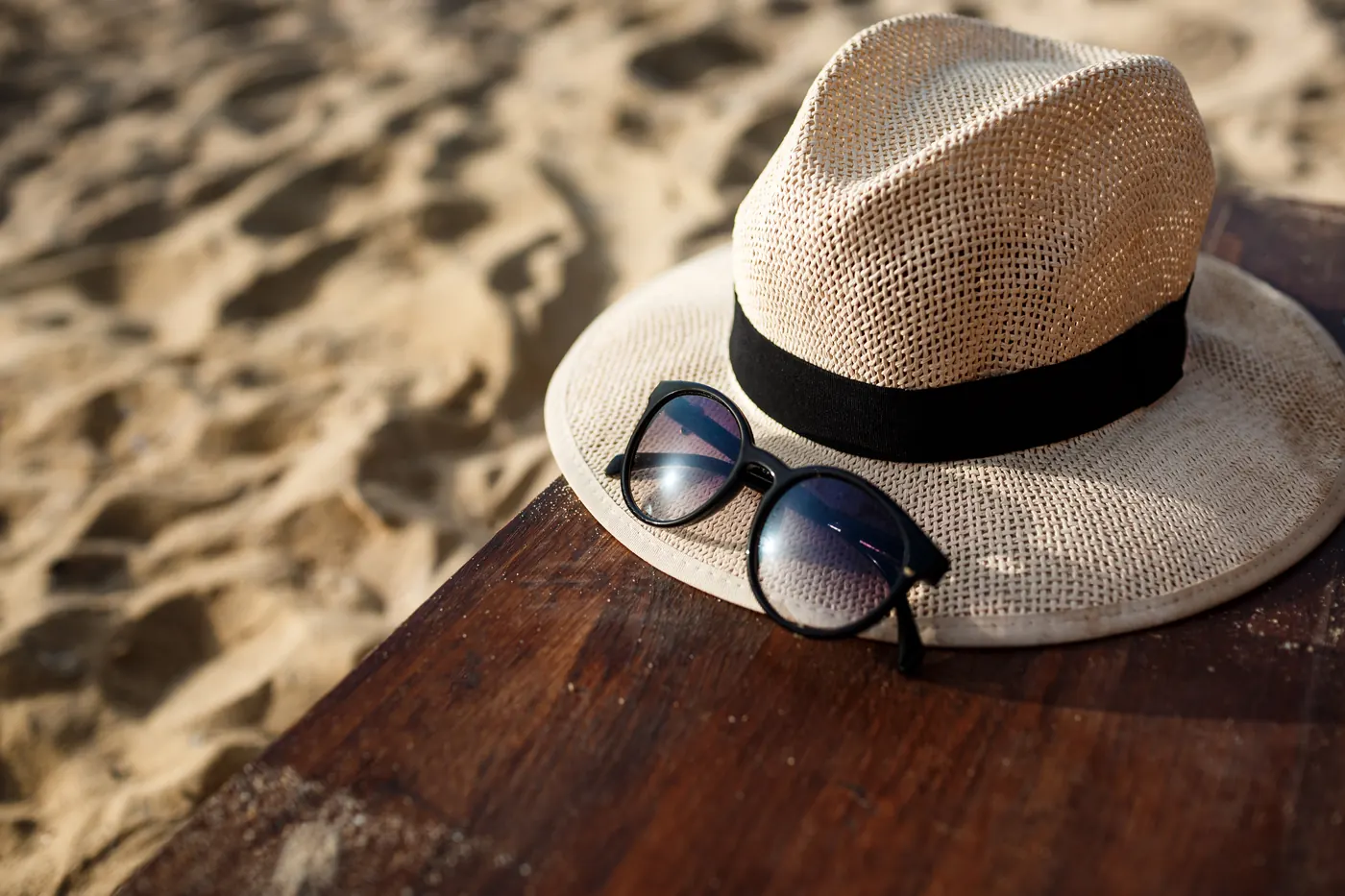
- Slap on a hat. A wide brim, or flaps that cover the ears and neck. SunSmart says more people are sunburnt on the face and neck than any other part of the body, and a baseball cap or visor does not protect the ears or neck.
- Wrap on sunglasses. Close-fitting, wraparound sunglasses that meet the AS/NZS 1067 standard. Not all sunglasses protect against UV, so clients should check the label.
SunSmart also says an average-sized adult needs about seven teaspoons (35 mL) of sunscreen for one full-body application. When clients get burnt despite sunscreen, the problem is usually too little product or not reapplying.
Why do clients get burnt on cool or cloudy days?
UV radiation is not heat. SunSmart explains that the warmth you feel is infrared radiation, which cloud blocks, while UV can still pass through cloud. So a client can be burnt on a cool, windy or overcast day, and what feels like windburn is probably sunburn. Clients should check the UVI even when it is grey.
Which tour days need the most care?
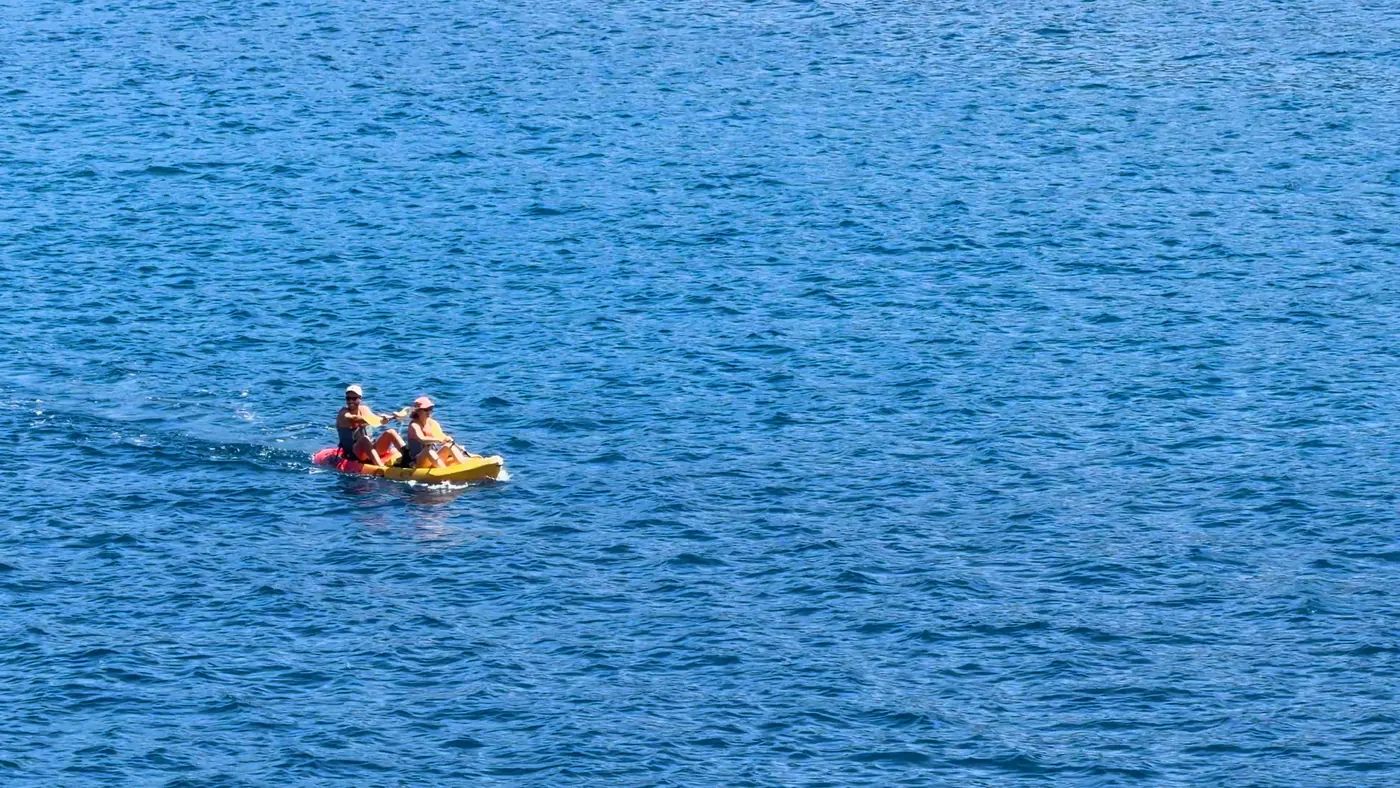
- Boat days, kayaking and swimming. SunSmart says water and sand reflect UV, and about 40% of UV radiation can still reach the body half a metre below the surface. A wet T-shirt may give only half the protection of a dry one; a rash shirt and sunscreen work better.
- Alpine and glacier days. At altitude there is less atmosphere to filter UV, and snow and ice reflect more UV than most surfaces. Ski and snow days need sunscreen and sunglasses even in winter. As the Queenstown DMC for many groups' ski and lake days, we plan for both.
- Long outdoor events and picnics. SunSmart's advice for outdoor events is to plan for shade, supply SPF 30+ sunscreen, keep it out of the heat and remind people through the day.
- Coach windows. Tinted glass reduces UV but does not block it, so clients sitting in direct sun for long drives should still cover up.
How should agents and guides plan around it?
- Time of day. Where a programme allows, put long exposed walks and beach time early or late in the day, outside 10am to 4pm.
- Packing lists. Add a wide-brimmed hat, wraparound sunglasses, a long-sleeved top and sunscreen to every September-to-April packing list, including for alpine and snow days.
- Shade on the day. For group picnics, vineyard lunches and event days, ask for shade structures or shaded tables.
- Families. SunSmart does not recommend sunscreen on babies under six months; they should be kept in shade with clothing and broad-brimmed hats.
- Medicines. SunSmart notes that some medicines, such as some antibiotics, and some health conditions make people more sensitive to the sun. Clients should ask their own doctor or pharmacist before travel.
- Storage. Sunscreen left in a hot vehicle may not work as well, and expired sunscreen may not protect. Guides should keep group supplies in the shade.
How Explera DMC New Zealand can help
We plan group tours, cruises and water experiences, ski and snow programmes and family and multigenerational travel, with guides who remind clients about sun protection during the day. For the wider client briefing, see our New Zealand pre-departure briefing and, for changeable days, our note on weather contingency for group itineraries.
FAQ
When do you need sun protection in New Zealand? SunSmart says from September to April, especially between 10am and 4pm, and all year round in the mountains, on the water and around snow and ice.
What UV index level needs sun protection? A UV index of 3 or higher. SunSmart says the UVI regularly goes above 12 in a New Zealand summer.
Can you get sunburnt on a cloudy day in New Zealand? Yes. UV radiation passes through cloud and cannot be felt, so clients can burn on cool or overcast days.
What sunscreen should clients bring? A broad-spectrum, water-resistant sunscreen of at least SPF 30, applied 20 minutes before going out and reapplied every two hours.
Where can clients check the UV level? On the free UVNZ app, which uses NIWA data, or SunSmart's Sun Protection Alert, shown on MetService from September to April.
Sources
- UV radiation, SunSmart (Cancer Society), checked 9 November 2026
- Be SunSmart, SunSmart (Cancer Society), checked 9 November 2026
- Slop on sunscreen, SunSmart (Cancer Society), checked 9 November 2026
- UVNZ app, SunSmart (Cancer Society), checked 9 November 2026
- Sun Protection Alert, SunSmart (Cancer Society), checked 9 November 2026
- Mythbusters, SunSmart (Cancer Society), checked 9 November 2026
- Running a SunSmart event, SunSmart (Cancer Society), checked 9 November 2026
Talk to the trade desk
Explera DMC New Zealand trade desk — b2b@explera.co.nz, WhatsApp +66 93 656 8090, B2B portal b2b.expleradmc.com.


