
Short answer: Rotorua and Taupō sit about an hour apart in the central North Island, on the same volcanic zone. Rotorua offers geysers, thermal valleys and Māori cultural experiences; Taupō adds New Zealand's largest lake, Huka Falls and access to Tongariro National Park. Two to three nights between them suits most groups, with safety and fitness briefings built in.
The central North Island is where New Zealand's volcanic landscape is easiest to see: steam rising from parks and roadside vents, boiling mud, silica terraces and crater lakes. For groups it is also an easy region to operate, with good roads, a wide range of accommodation and short distances between the main sights. This guide covers the landscape side of the region; for the cultural side, see our guide to selling Māori cultural experiences respectfully.
Rotorua: geysers and thermal valleys
Rotorua is about three hours by road from Auckland, or a short domestic flight. The geothermal sights most programmes use:
- Whakarewarewa. The best-known geothermal area in Rotorua, home to Pōhutu, the largest active geyser in the Southern Hemisphere, which erupts frequently. The valley is the setting for Te Puia, and next to it Whakarewarewa is also a living Māori village, where residents still use the geothermal water for cooking and bathing.
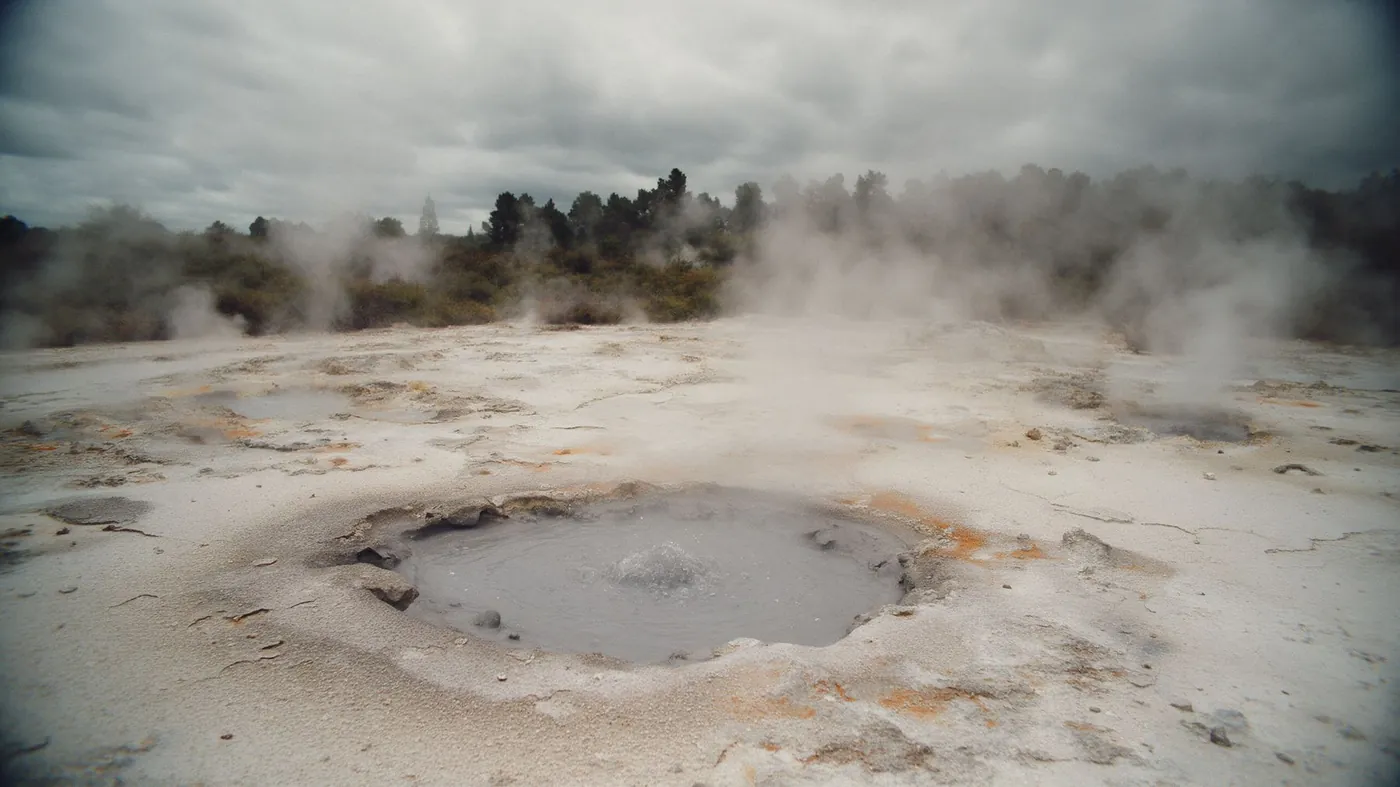
- Wai-O-Tapu. South of town on the road to Taupō, with coloured pools, mud and silica formations, and the Lady Knox Geyser, whose morning eruption sets the time of the visit.
- Lakes and forest. Lake Rotorua, the Blue and Green lakes and the redwood forest offer walking, mountain biking and quieter time between geothermal visits.
Rotorua smells of sulphur — hydrogen sulphide from the geothermal activity. Clients notice it on arrival and most stop noticing within a day. It is worth a sentence in the pre-departure briefing so nobody is surprised.
Taupō: the lake and the river
Taupō sits on the north-eastern shore of Lake Taupō, New Zealand's largest lake, which fills a volcanic caldera. It is about an hour south of Rotorua by road. For groups:
- Huka Falls. A short stop just north of town where the Waikato River is forced through a narrow gorge. It works on any itinerary, in any weather.
- Geothermal stops on the way. Orakei Korako and Craters of the Moon lie between Rotorua and Taupō and break up the drive.
- On the lake. Lake cruises, fishing and the Māori rock carvings at Mine Bay, which are visited by boat.
- Base for Tongariro. Taupō is the usual base for groups walking or visiting Tongariro National Park.
The Tongariro Alpine Crossing
The Tongariro Alpine Crossing is a demanding, one-way, full-day alpine walk past steaming vents, the Red Crater and the Emerald Lakes. Clients ask for it by name. Points to build into the plan:
- It is an alpine walk, not a stroll. Long, steep in places, exposed to weather, and above the tree line for most of the day. Fitness needs an honest conversation before booking.
- Weather decides. The crossing can be unsafe in wind, rain, cloud or snow, and operators cancel or redirect on the day. Hold a spare day in the itinerary or a lower-level alternative.
- Transport. It starts and finishes at different road ends, and parking at the road ends is restricted. Walkers use shuttles or guided operators, which we book with the walk. Check DOC's current arrangements for the season, as they have changed in recent years.
- A proposed access charge. The Conservation Amendment Bill, introduced to Parliament on 7 May 2026, would allow access charges for international visitors at some conservation sites, and the Tongariro Alpine Crossing is one of four being investigated. The Bill must pass first, and no start date or amount has been set. New Zealanders would continue to have free access.
For clients who want the volcanic scenery without the full crossing, shorter walks in Tongariro National Park and scenic flights over the volcanoes are good alternatives.
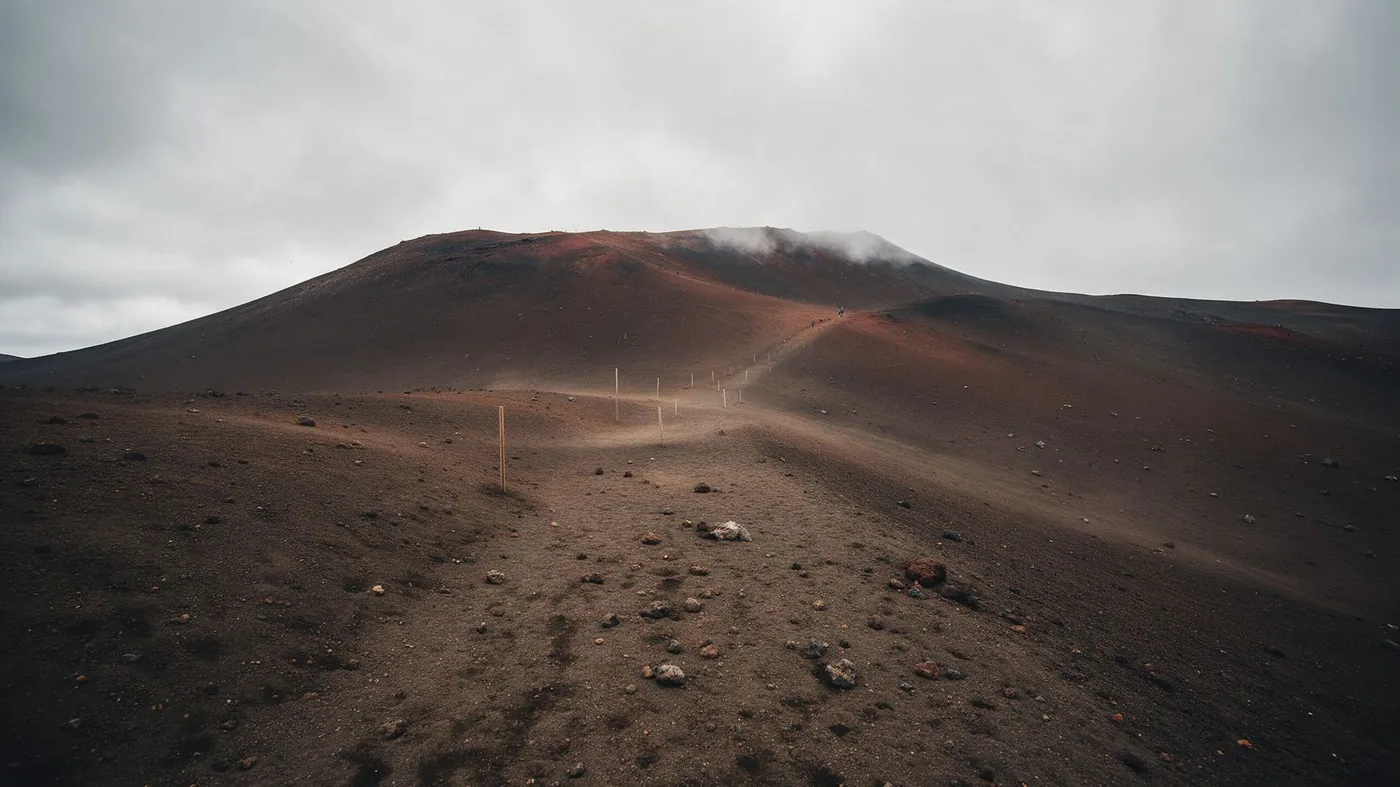
Safety on geothermal ground
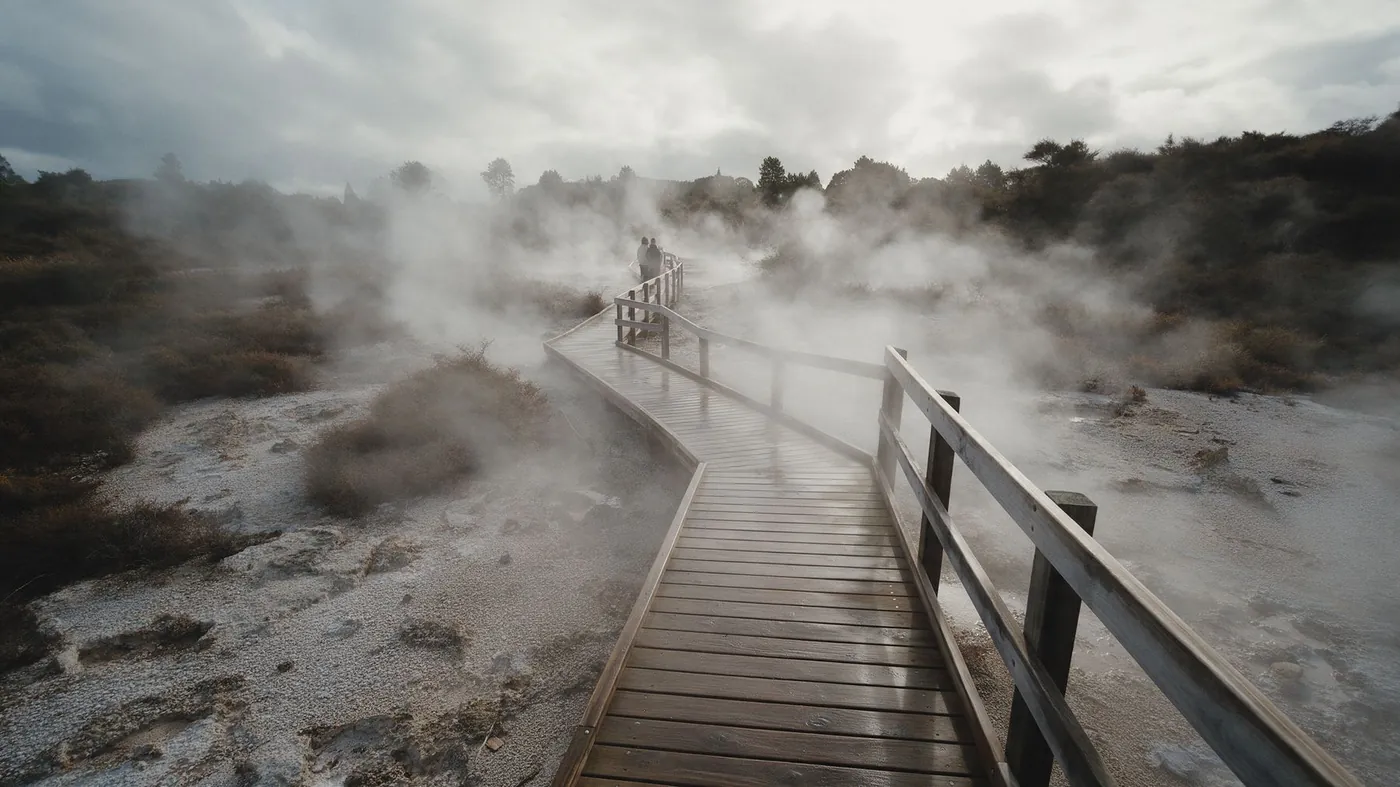
Thermal areas are beautiful and genuinely dangerous: the ground can be thin, water can be boiling, and steam hides edges. Brief clients to:
- stay on marked paths and boardwalks, and keep children close;
- follow the guide and the signs, which are there for a reason;
- not touch pools, mud or vents, or put their heads under water in natural hot pools, which can carry a rare but serious amoebic infection risk;
- take care with photography near edges.
Building the region into a programme
- Two to three nights. Two nights in Rotorua covers the geothermal valleys, a cultural evening and a lake day. Add a night in Taupō for Huka Falls and the lake, or two for the Tongariro Alpine Crossing with a weather day.
- Natural routing. Auckland → Hobbiton → Rotorua → Taupō → Tongariro → Wellington is a classic North Island line, and joins the Cook Strait ferry south.
- Seasons. The region works year-round. Winter is cooler and the crossing can be snow-covered, which needs a guided alpine trip rather than an independent walk.
- Hot pools. Both towns have commercial hot pool complexes suited to a group's free afternoon; we recommend these over natural pools for safety.
How Explera DMC New Zealand can help
We build central North Island programmes for group tours and FIT clients, combining geothermal parks, Māori cultural experiences with Māori-owned and iwi-led hosts, and guided walking on Tongariro, with coach transfers and hotels in one quote at net rates.
FAQ
How far is Rotorua from Taupō? About an hour by road. Geothermal parks such as Wai-O-Tapu, Orakei Korako and Craters of the Moon lie between them and break up the drive.
Is the Tongariro Alpine Crossing suitable for every client? No. It is a long, one-way alpine walk exposed to weather. It suits fit clients with suitable gear, and it can be cancelled on the day in poor weather.
Will international visitors pay to walk the Tongariro Alpine Crossing? Possibly in future. It is one of four sites being investigated for access charges under the Conservation Amendment Bill, introduced on 7 May 2026. The Bill must pass first, and no start date or amount has been set.
Why does Rotorua smell of sulphur? The smell is hydrogen sulphide from the geothermal activity under the town. It is normal, and most visitors stop noticing it within a day.
Talk to the trade desk
Explera DMC New Zealand trade desk — b2b@explera.co.nz, WhatsApp +66 93 656 8090, B2B portal b2b.expleradmc.com.