

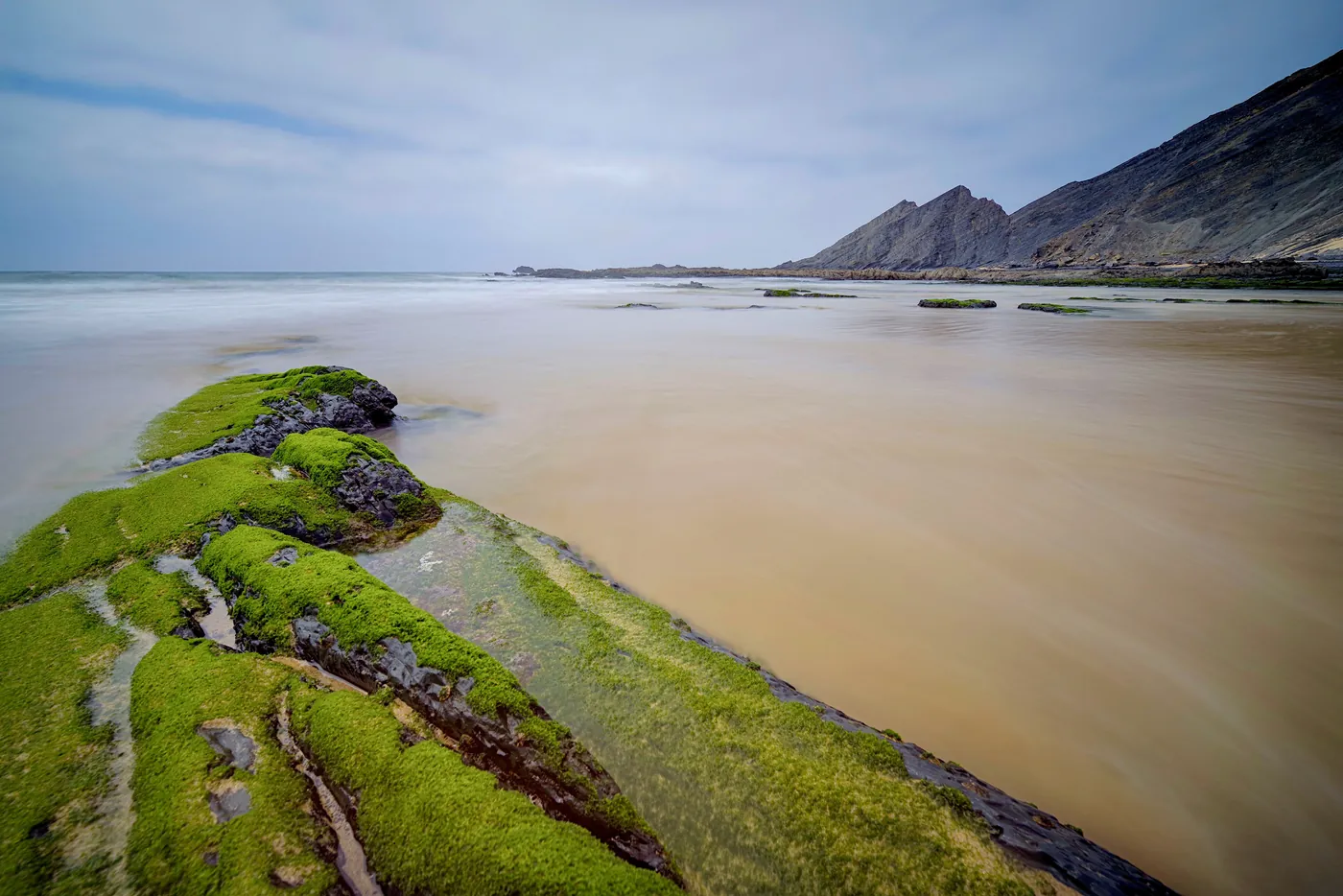
Short answer: On 27 October 2026 the Department of Conservation (DOC) reported that 141 sea spurge plants had been removed from Ninety Mile Beach near Lone Pine, north of Ahipara, after a horse rider reported them. Sea spurge is an invasive coastal weed with a toxic milky sap. Groups on Cape Reinga and Ninety Mile Beach days should not touch suspicious plants, and should photograph and report them to DOC.
Ninety Mile Beach (Te Oneroa-a-Tōhe) runs up the west coast of the Far North towards Cape Reinga (Te Rerenga Wairua). This briefing is for travel agents and tour operators who sell Northland and Bay of Islands programmes with a Cape Reinga day.
What did DOC find on Ninety Mile Beach?
- The find. A horse rider noticed unusual plants near Lone Pine, north of Ahipara, took photographs, recorded the GPS location and reported them to DOC.
- The response. DOC, Biosecurity New Zealand, Northland Regional Council and local ecological experts responded, with a team on site the following day.
- The count. 141 plants were removed: 5 mature plants, 14 juveniles and 122 seedlings. DOC Sea Spurge Ranger James Gardner said: "The really concerning part was finding the mature plants had already produced seed."
- Follow-up. DOC says sea spurge seed can stay viable in sand for several years, so monitoring and control will continue.
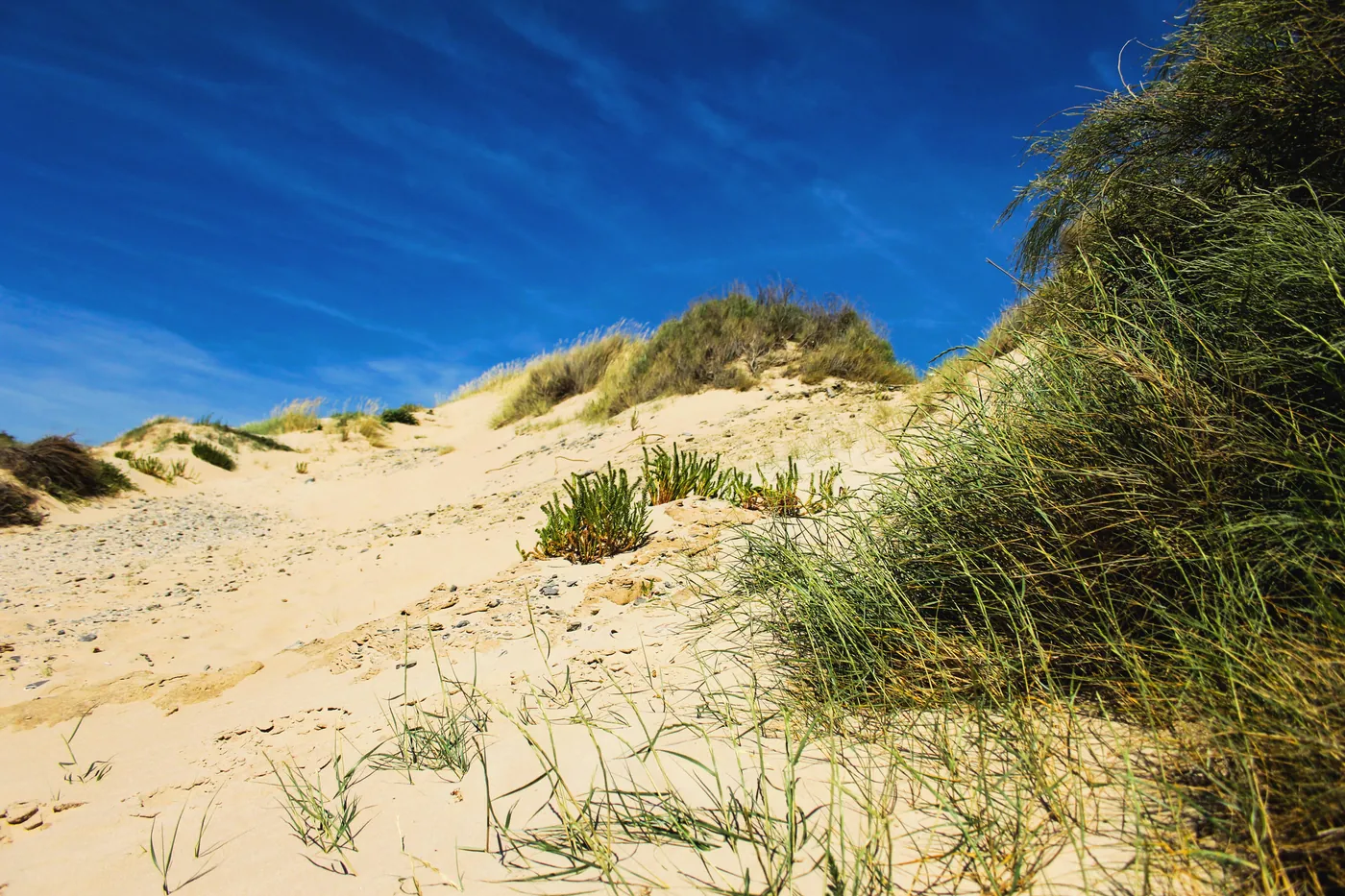
What should groups do on a beach stop?
- Do not touch it. DOC says the plant's toxic milky sap can irritate skin and eyes, so clients should not touch or pick suspicious plants.
- Photograph and locate. Take clear photos and note the GPS location or a description of where the plant is.
- Report it. Call DOC on 0800 DOC HOT (0800 362 468).
- Do not guess the species. DOC notes that sea spurge can be confused with the nationally rare native shore spurge, so leave identification to DOC.
We add these points to the guide's notes for Far North coach days, so the briefing is given once, on the coach, before the first beach stop.
What else should clients know at Cape Reinga?
- No food at the cape. DOC asks visitors not to eat at Cape Reinga/Te Rerenga Wairua; drinking water is fine, and Tapotupotu is suggested for meals.
- No rubbish bins. There are none at the cape, so groups take all rubbish away with them.
- Access. DOC describes the lighthouse walk as a short stroll from the car park, but says it may not suit all wheelchair users because of steep sections.
- Respect the site. DOC says scattering or burying ashes at the cape is not culturally appropriate, because it is a sacred site.
How Explera DMC New Zealand can help
We are the Cape Reinga DMC for travel agents and tour operators, and we build Far North days into Bay of Islands programmes. See our Auckland stopover and Bay of Islands extension briefing, our biosecurity briefing for arriving groups, our Check, Clean, Dry briefing and our Tiaki Promise briefing.
FAQ
How many sea spurge plants were removed from Ninety Mile Beach? DOC reported on 27 October 2026 that 141 plants were removed: 5 mature plants, 14 juveniles and 122 seedlings.
Where on Ninety Mile Beach was the sea spurge found? Near Lone Pine, north of Ahipara, according to DOC.
Is sea spurge dangerous to touch? DOC says its toxic milky sap can irritate skin and eyes, so people should not touch suspicious plants.
How do visitors report sea spurge? Take photos, note the location, and call DOC on 0800 DOC HOT (0800 362 468).
Can groups eat at Cape Reinga? No. DOC asks visitors not to eat at Cape Reinga/Te Rerenga Wairua; drinking water is fine, and Tapotupotu is suggested for meals.
Sources
- Sharp-eyed horse rider discovers invasive weed on Ninety Mile Beach, DOC, 27 October 2026
- Cape Reinga Lighthouse Walk, DOC, checked 27 October 2026
Talk to the trade desk
Explera DMC New Zealand trade desk — b2b@explera.co.nz, WhatsApp +66 93 656 8090, B2B portal b2b.expleradmc.com.


