

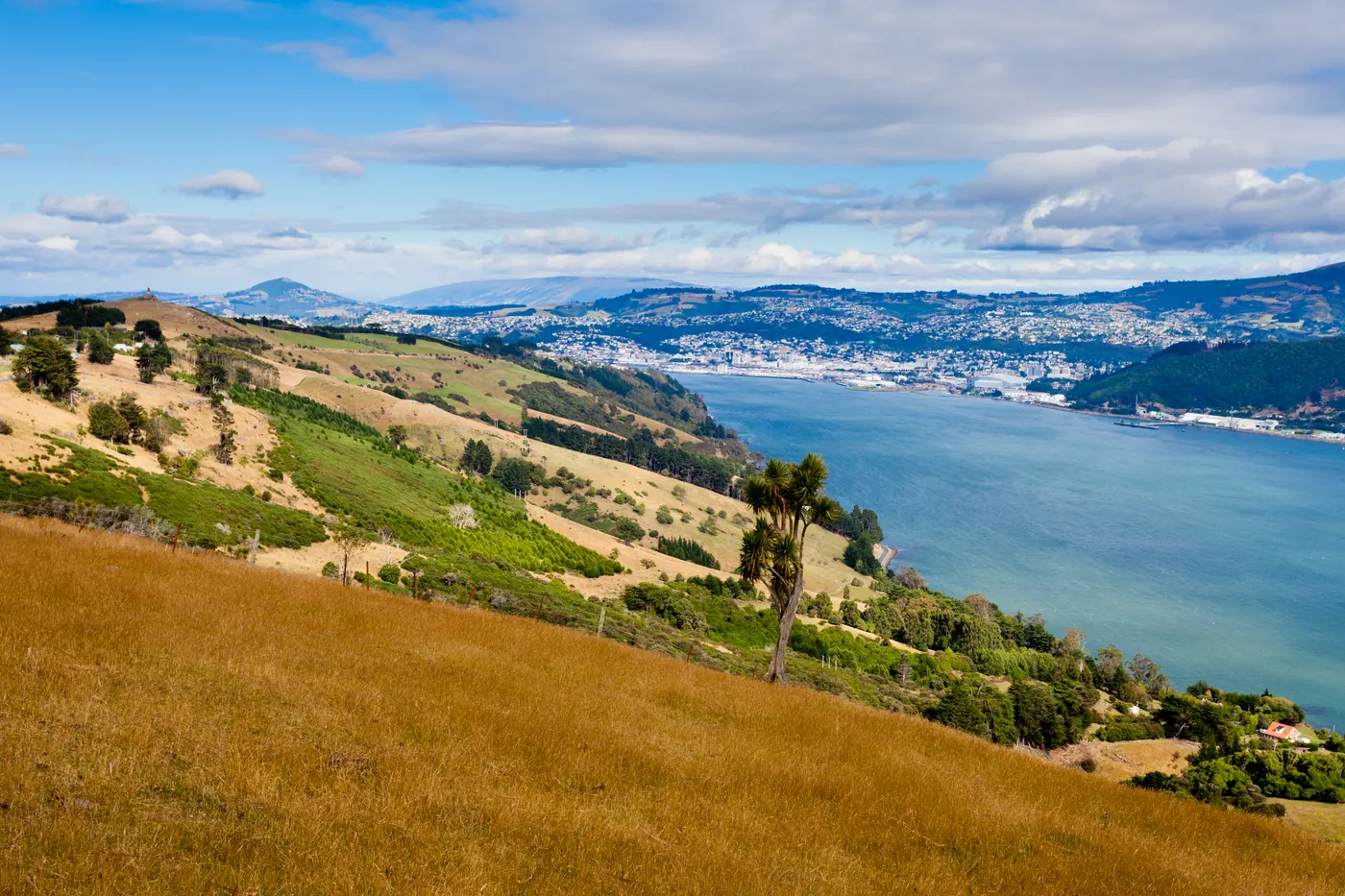
Short answer: Five new marine reserves came into force along the Otago coast on 1 July 2026, together called Te Au Roa o Te Rakihouia. They are no-take areas: visitors can boat, swim, dive and snorkel, but must not take marine life. Explera DMC New Zealand plans Otago coast days with these rules in mind.
The reserves cover 308 square kilometres, about 4 per cent of the Otago coastal marine area. DOC and Kāi Tahu co-manage them.
What are the new reserves?
- Five reserves. DOC lists them as Waitaki, Papanui, Ōrau, Ōkaihae and Hākinikini marine reserves.
- In force from 1 July 2026. They were gazetted on 28 May 2026 after more than 13 years of work involving Kāi Tahu, fishing, environmental, science, tourism and community interests.
- A new name. Kāi Tahu and DOC named the network Te Au Roa o Te Rakihouia, after Te Rakihouia, whom Kāi Tahu describe as the first known person to travel around the coast of the South Island.
- Joint management. DOC and Kāi Tahu share decisions, and a joint team of rangers manages and monitors the reserves.
- A sixth is still pending. The boundaries of a sixth proposed reserve, Te Umukōau, are being reconsidered and the Minister of Conservation will decide them.

What does it mean for a group?
- No fishing inside the reserves. Marine reserves are no-take areas, so a fishing trip for a group has to stay outside their boundaries. We check this with the operator before we book.
- Wildlife viewing continues. Visiting by boat, swimming, diving and snorkelling are allowed. The Government said the waters are home to hoiho, pakake and toroa (yellow-eyed penguins, New Zealand sea lions and albatross).
- Brief clients on the rules. Clients must not collect shells, take marine life or damage habitats inside a reserve.
- Know where the lines are. DOC publishes boundaries and maps for each reserve. We confirm them for any coastal activity on the programme.

How Explera DMC New Zealand can help
We plan Dunedin and Otago coast days for groups. See our Dunedin guide, our Dunedin and Otago Peninsula wildlife guide, our Tiaki Promise guide and cruises and water experiences.
FAQ
What are Otago's new marine reserves? Five marine reserves on the Otago coast, together called Te Au Roa o Te Rakihouia: Waitaki, Papanui, Ōrau, Ōkaihae and Hākinikini.
When did they come into force? On 1 July 2026, after being gazetted on 28 May 2026.
Can a group fish in the reserves? No. Marine reserves are no-take areas, so fishing trips must stay outside the boundaries.
Can clients still dive, snorkel or take a boat trip? Yes. DOC says visitors can visit by boat and go diving, swimming and snorkelling, as long as they do not take marine life or harm habitats.
Who manages the reserves? DOC and Kāi Tahu co-manage them, with a joint team of rangers.
Sources
- New name for Otago's marine reserve network, Department of Conservation and Kāi Tahu, 2 June 2026
- Deep South's mega marine life gets historic new protections, Office of the Minister of Conservation, 2 June 2026
- Otago marine reserves, Department of Conservation
Talk to the trade desk
Explera DMC New Zealand trade desk — b2b@explera.co.nz, WhatsApp +66 93 656 8090, B2B portal b2b.expleradmc.com.


